





 Show all photos in album
Insert for comparison
We will identify your pest
Add pictures of this species
Show all photos in album
Insert for comparison
We will identify your pest
Add pictures of this species
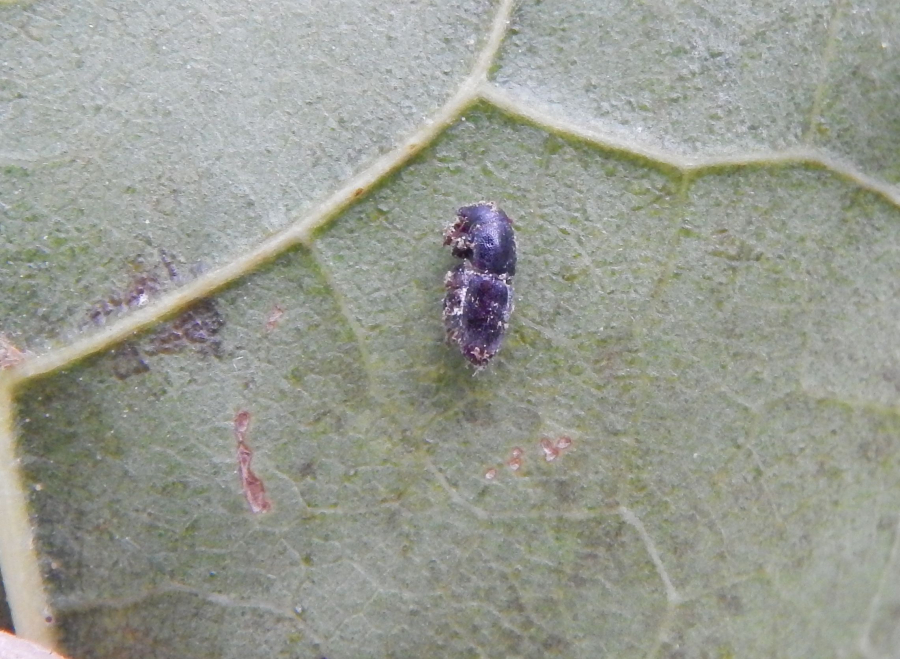
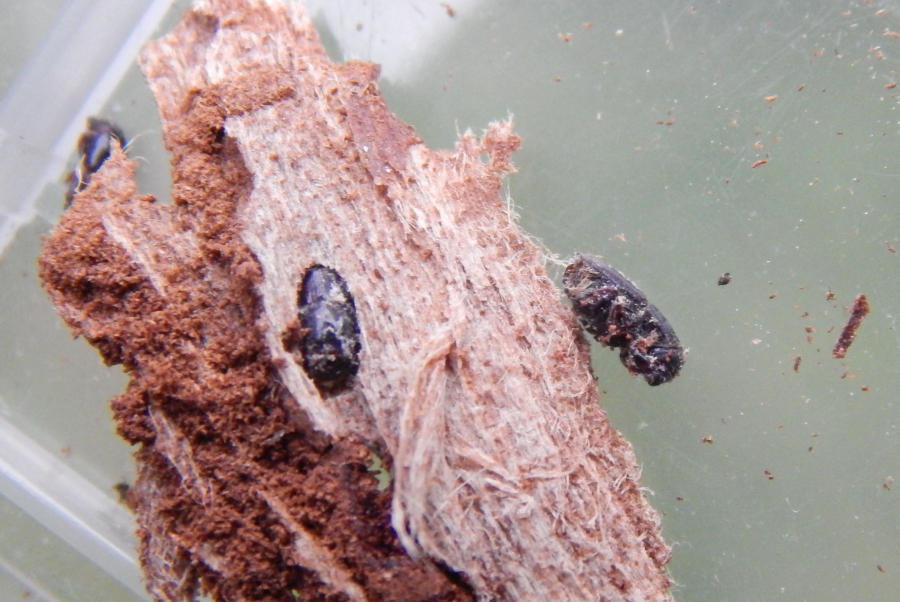
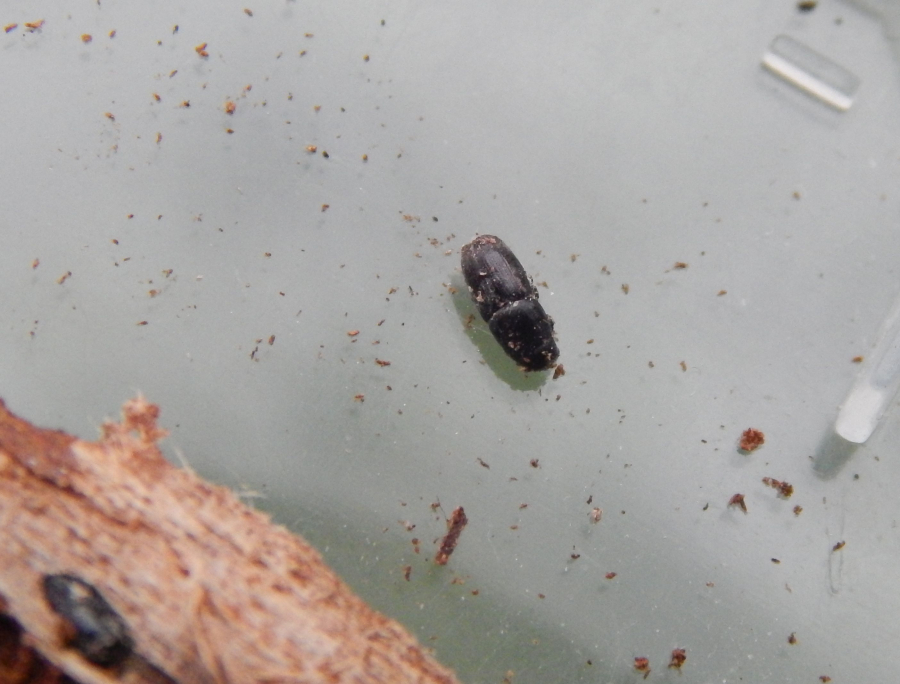
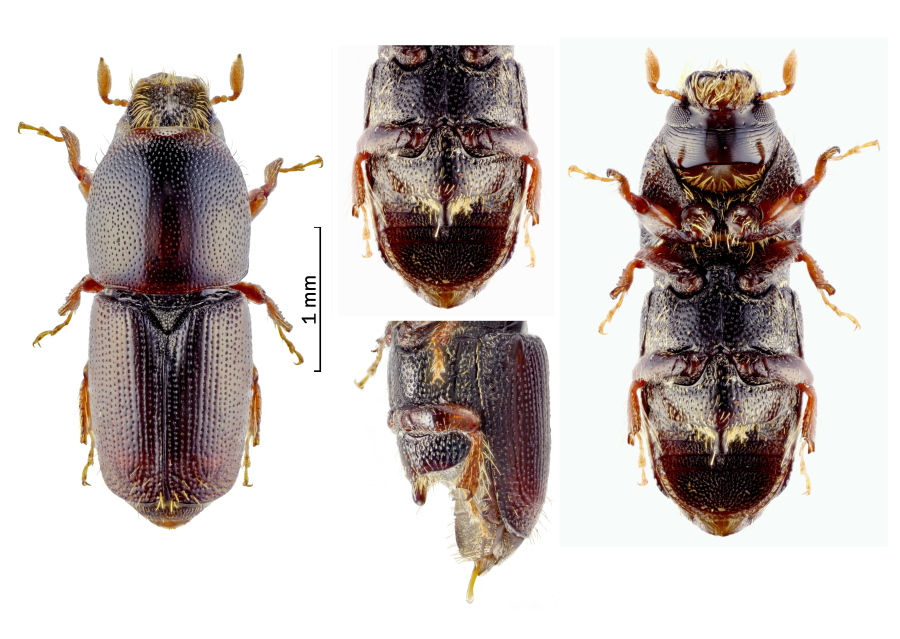
Scolytus spp.
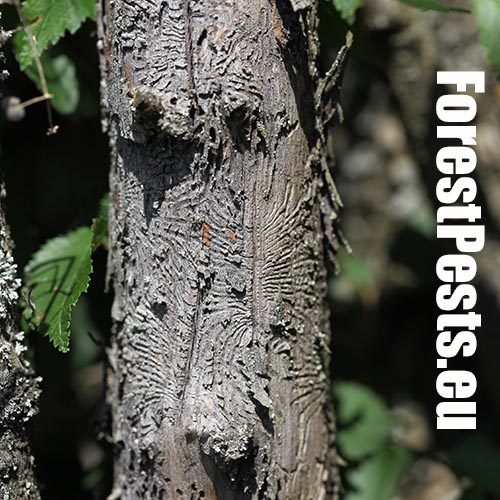
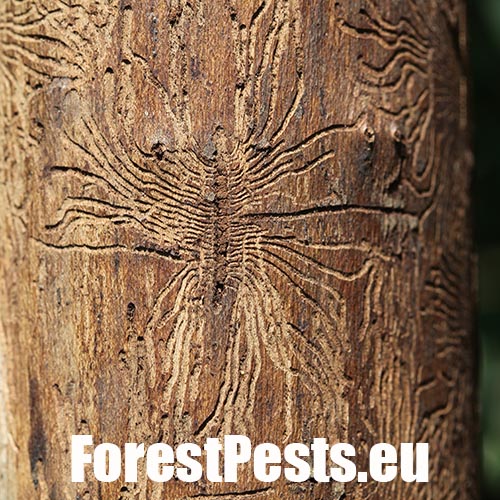
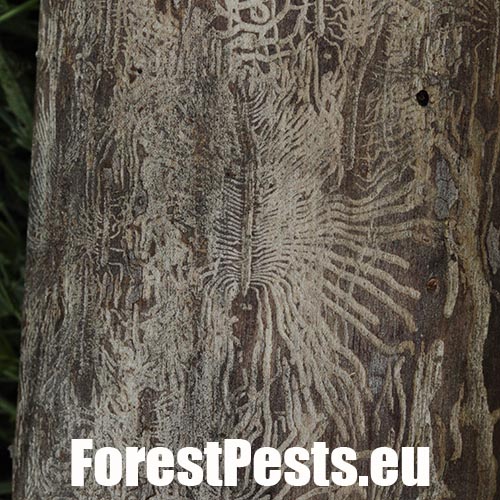
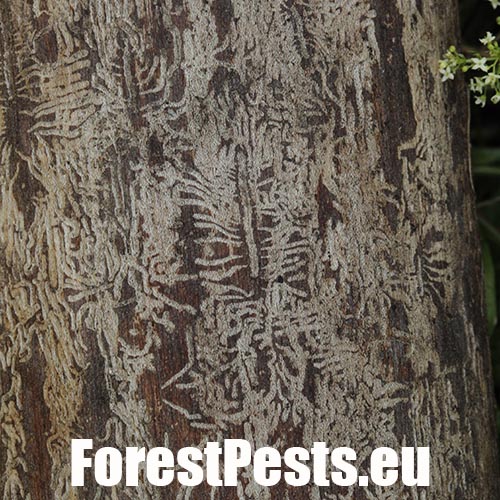
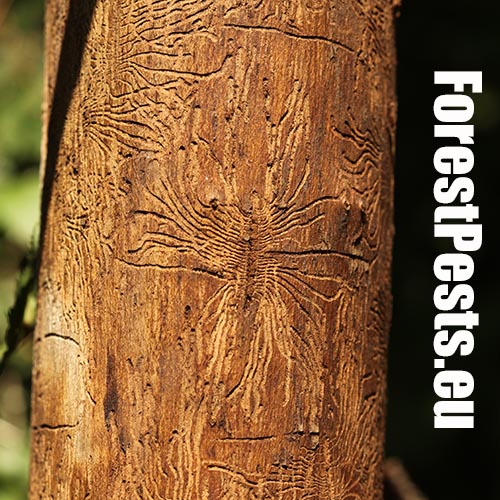
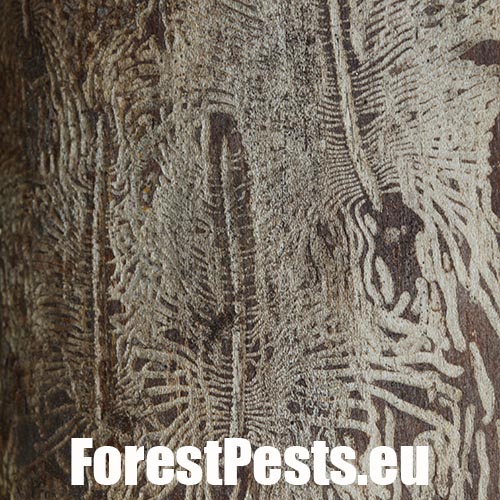
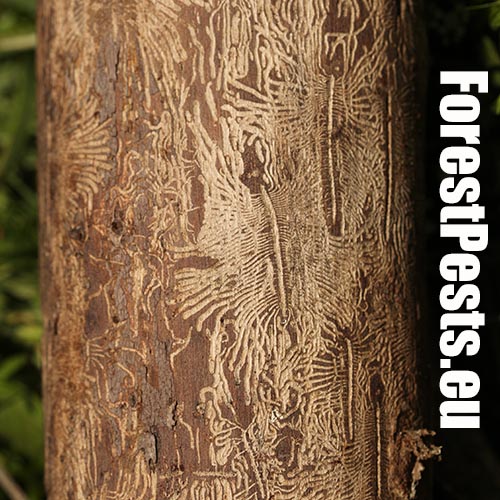
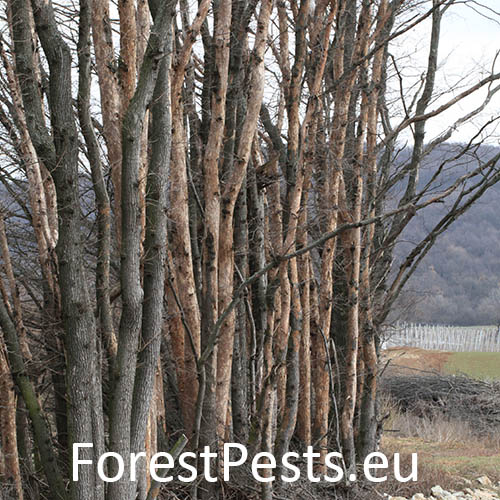
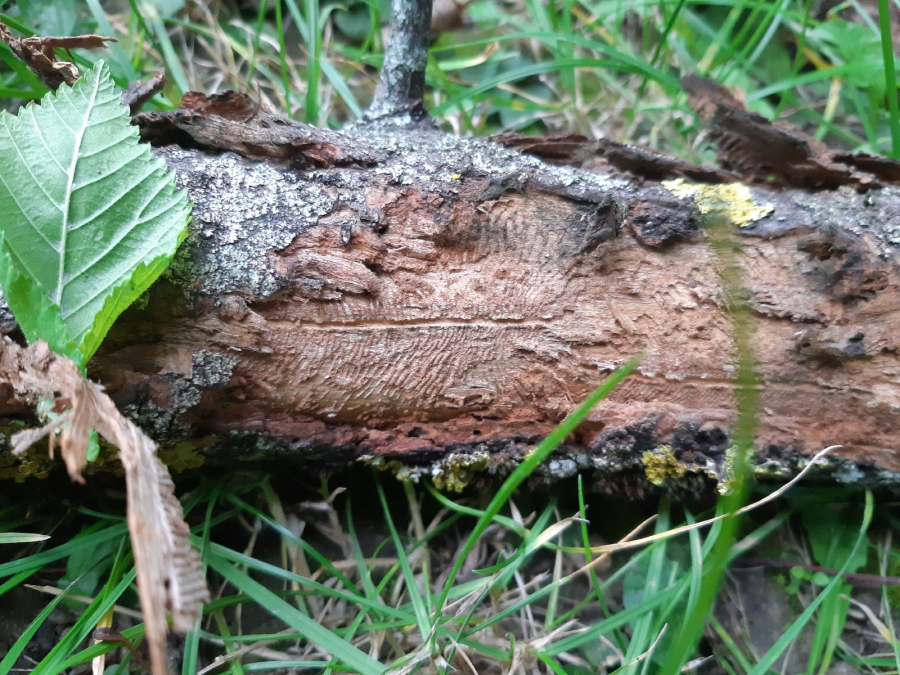
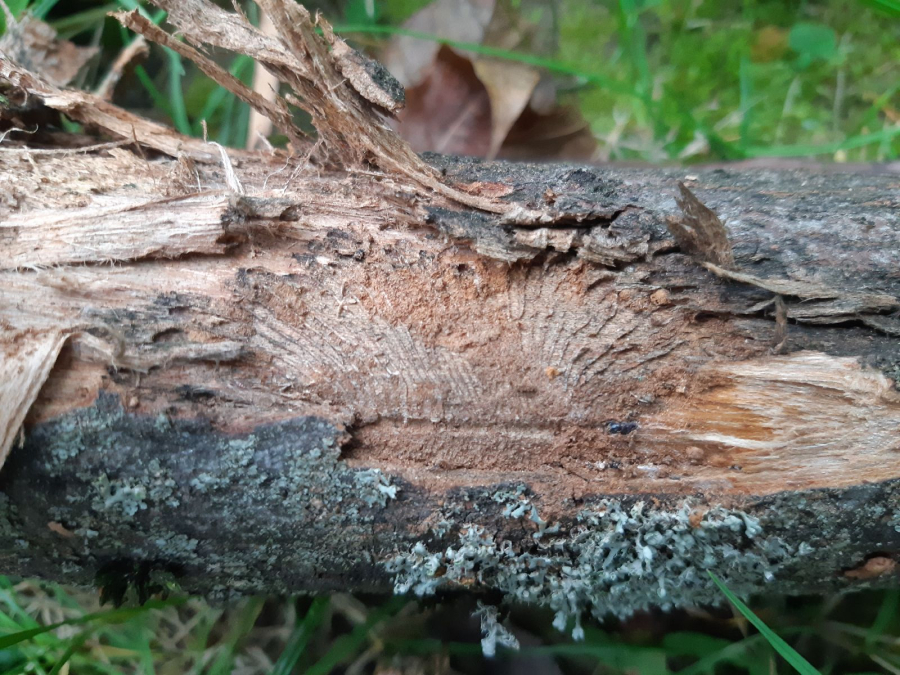
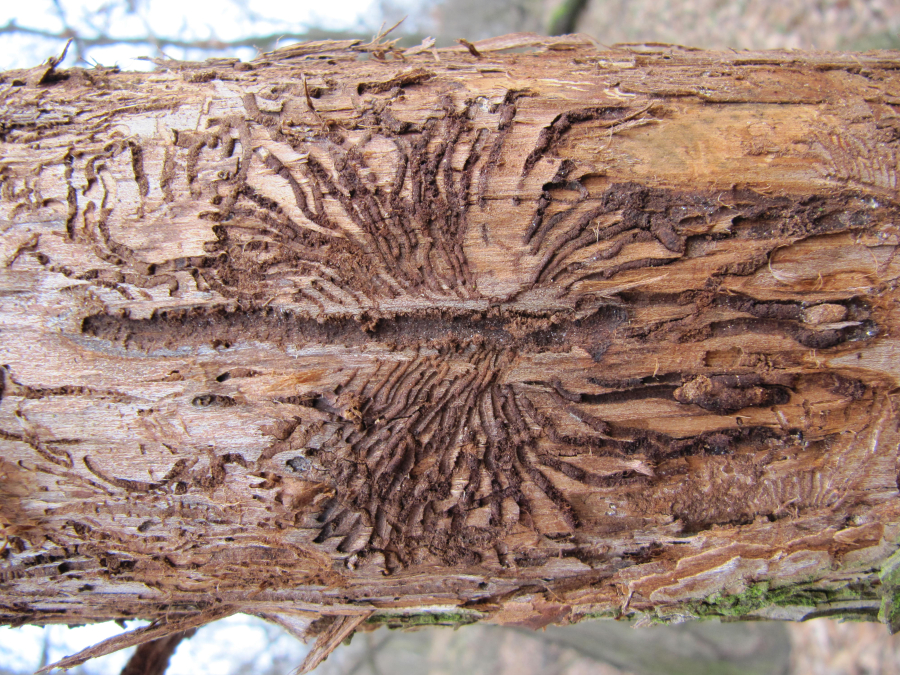
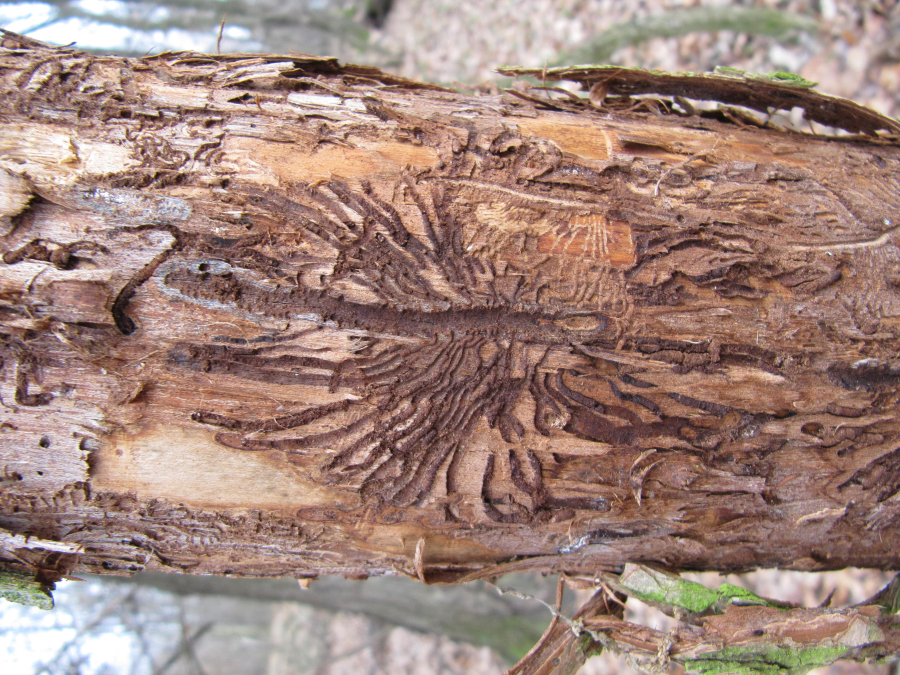
Scolytus on Elm
Description
Scolytus scolytus, Scolytus multistriatus and Scolytus laevis live on the elm. Scolytus pygmaeus is much smaller. It reaches a length of only 1.5 - 2.5 mm.
Large elm beetle Scolytus scolytus
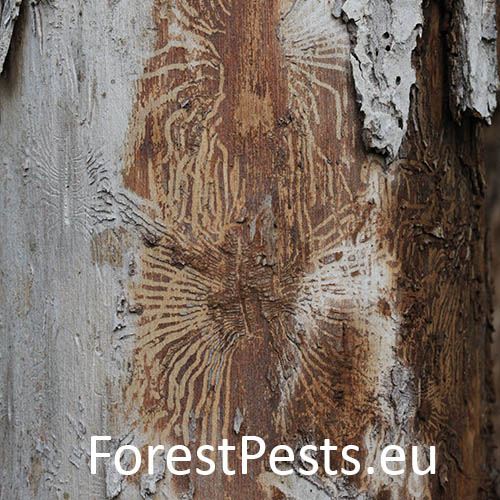
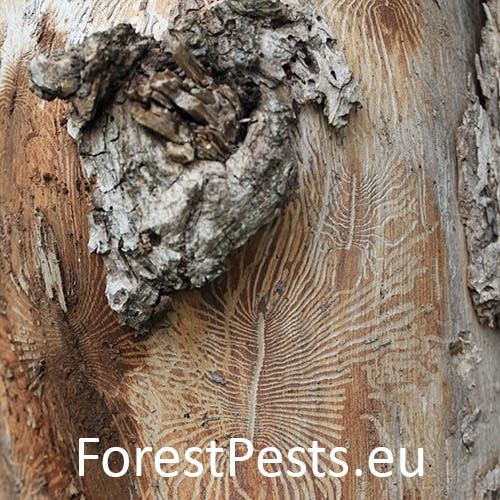
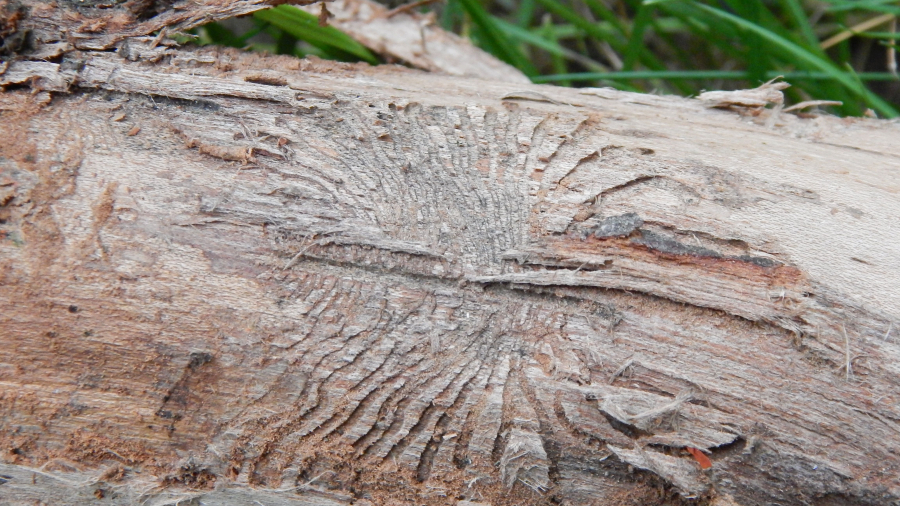
Large elm beetle lives under the bark of large elm trees. The egg gallery is 4–6 cm long, 2.5–3.5 mm wide, vertical and straight. Larval tunnels are long and relatively dense. The adult beetle is 3–6 mm long. It has two generations per year. Adult’s maturation feeding in the crown causes damage to stems. The species attacks mainly trees weakened by drought, disease, or other stress factors. The bark beetles of the genus Scolytus are known to act as vectors of the Dutch elm disease fungus Ophiostoma ulmi since the 30’s. However, precise information on the relationships between the life cycle of both the fungus and the insects has been given rather recently. S. scolytus, characterized by the biggest size (comparing to S. multistriatus, S. kirschii, S. leavis or S. sulcifrons) is supposed to be the best vector of the fungus. The tree decline is caused by the fungus rather than by the beetle itself. S. scolytus is among the guild of bark beetle species infesting elm trees in Europe (Scolytus pygmaeus, S. laevis, S. multistriatus, S. kirschi, S. ensifer and Pteleobius vittatus). But not only bark beetles attack the elm twigs and trunks. Also other pests can be found under the bark for example Ectoedemia amani, Anthaxia manca, A. hackeri, A. deaurata, A. tuerki, Ovalisia mirifica or Agrilus auricollis.
Smaller European elm bark beetle Scolytus multistriatus
It is 2.2 to 3.0 mm long. Adults feed at twig crotches of healthy elms, then attack weakened trees. The females excavate a vertical egg gallery, 5–8 cm long and up to 2 mm wide. Many larval tunnels located next to one another branch out of it. The feeding mark is only slightly carved into wood. The species has usually two generations per year. This species is a vector of the Dutch elm disease fungus, Ceratocystis novo-ulmi. Transmission of the fungus occurs during maturation feeding of adults on twigs of host trees. The species attacks mainly trees weakened by drought, disease, or other stress factors. Most common species.
Bark beetle Scolytus sulcifrons
3.5–6 mm. Adults have shiny black thorax and brownmahogany elytrae. Overwintering larvae pupate in spring under the bark of trees attacked the previous year, then adults fly in April–May. Before mating, they spend a period of maturation feeding on young twigs. Females excavate in June a short vertical maternal gallery 5 cm long. The larval tunnels are often numerous and up to 15 cm long. The gallery system deeply engraves both the bark and wood surface (A). A new flight of adults may occur in August, starting the second generation. Only old and thick-barked trees are attacked. Prefers weakened/diseased trees, but as vector of Dutch elm disease can kill also healthy trees by infecting them through the maturation feeding. It can be found in natural mixed broadleaved forests, mainly in southern parts of Europe.
Symptom
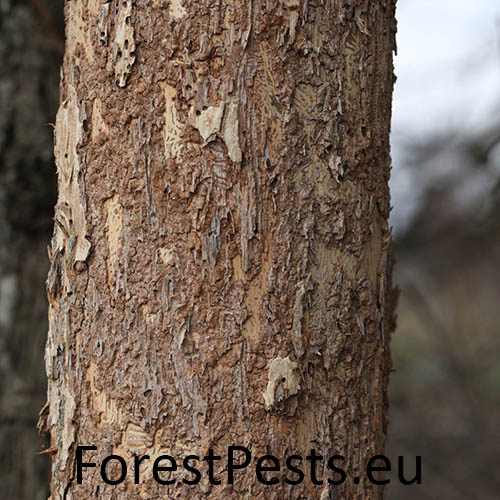
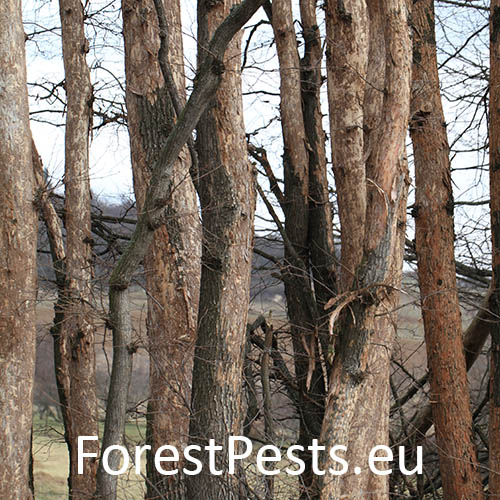
Galleries with vertical maternal corridors under the bark. Often very numerous. Dead trees.
Tree Species: Elm
Part of a plant- attacked: Tree trunk, Branch
Pest significance: Very harmful
Pest Category: Insects
Invasive Species: No
Present in EU: Yes
Add comment: Scolytus spp.
Location map: Scolytus spp.
print viewLegend:

Expert verified points

Unverified points
Observed by users on these tree species
Most sightings of the species


Last observations
There are a total of 6 observations of the species in the system

Scolytus spp.Scolytus on Elm
peter kurina
Number of votes: 1
Published: 19.8.2024

Scolytus spp.Scolytus on Elm
Diana Englerová
Number of votes: 0
Published: 18.4.2024

Scolytus spp.Scolytus on Elm
Marián Slamka
Number of votes: 0
Published: 21.10.2023

Scolytus spp.Scolytus on Elm
Marián Slamka
Number of votes: 0
Published: 21.10.2023

Scolytus spp.Scolytus on Elm
majo
Number of votes: 0
Published: 21.10.2023
Similar damage

Large fruit bark beetle

Birch bark beetle

European oak bark beetle


