






 Show all photos in album
Insert for comparison
We will identify your pest
Add pictures of this species
Show all photos in album
Insert for comparison
We will identify your pest
Add pictures of this species
Rhytisma acerinum
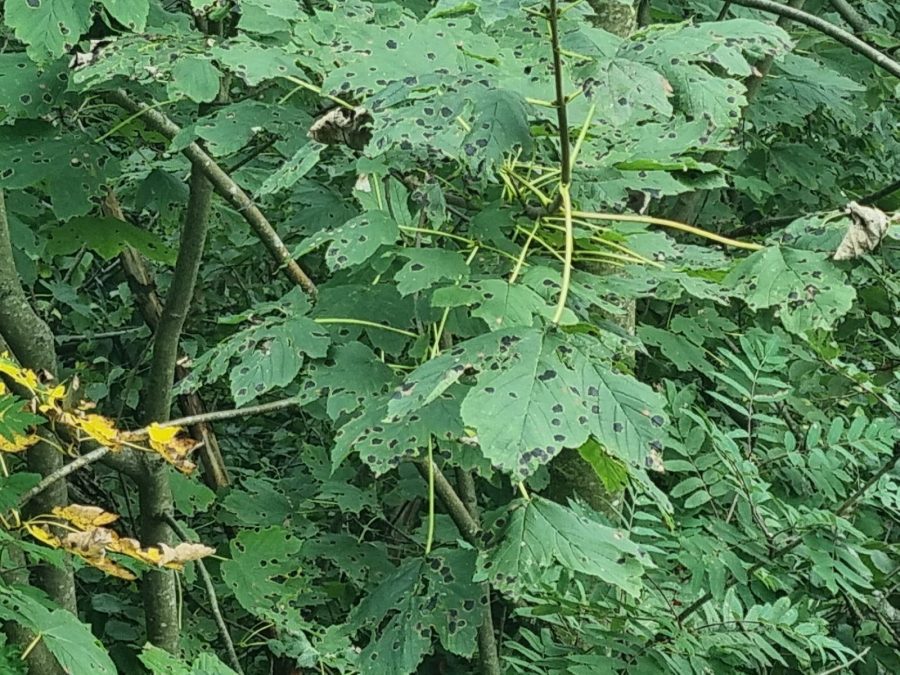
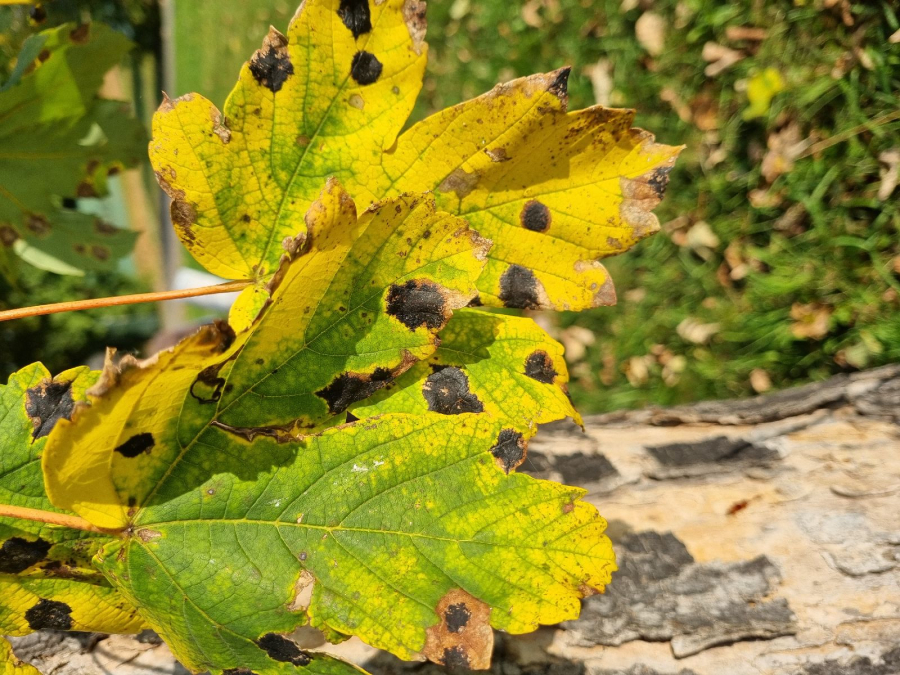
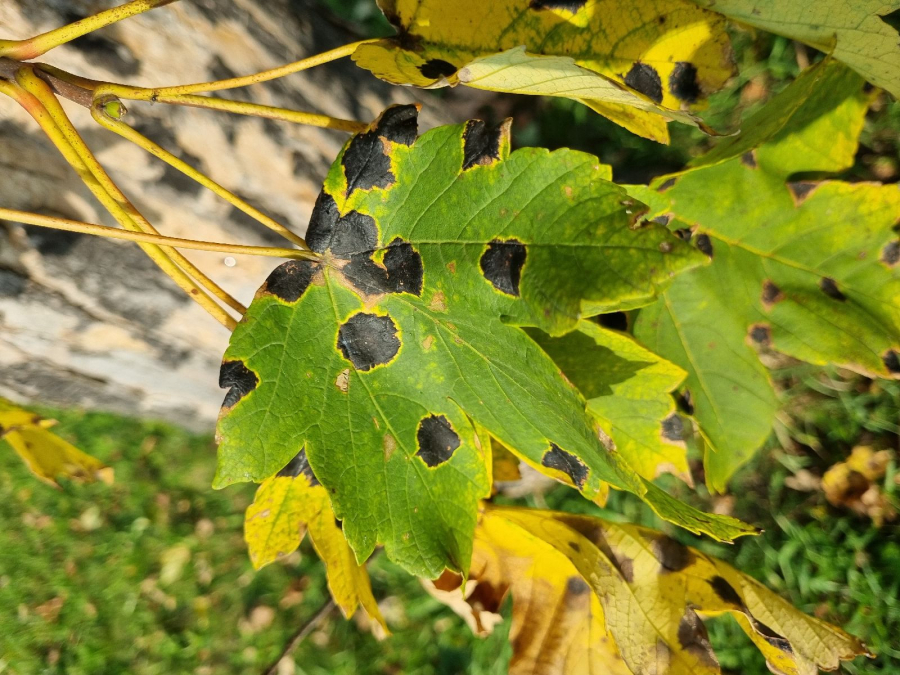
European Tar Spot
Description
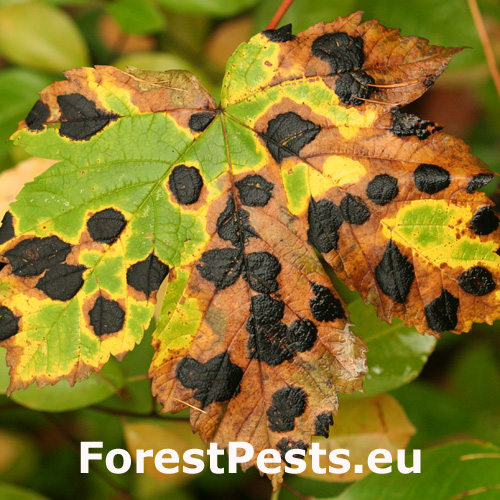
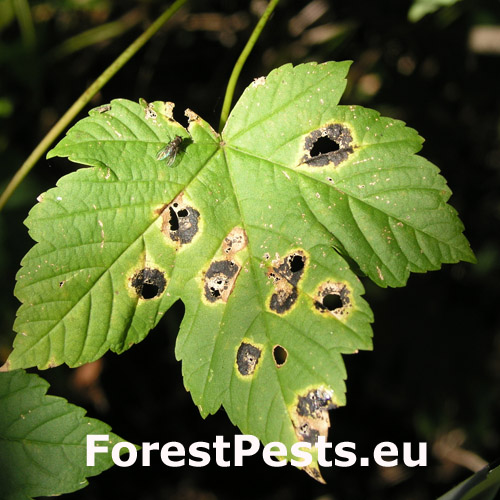
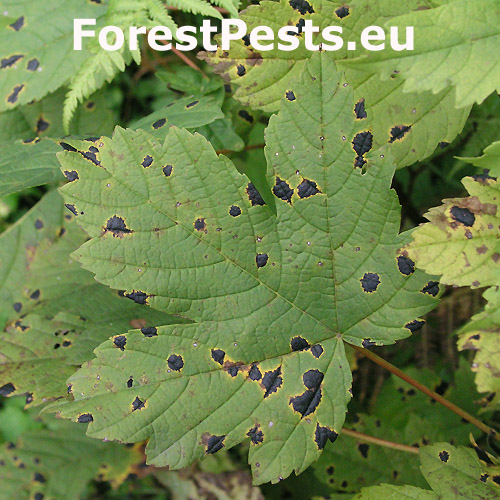
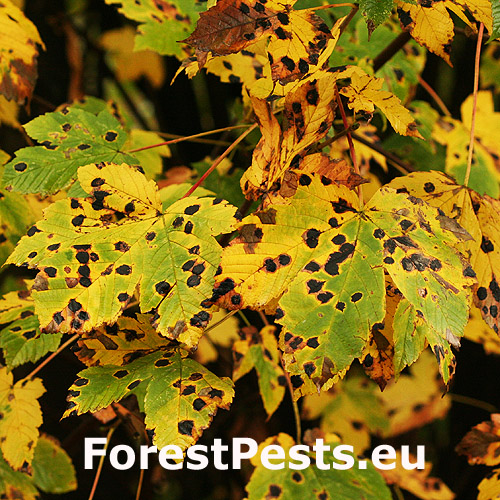
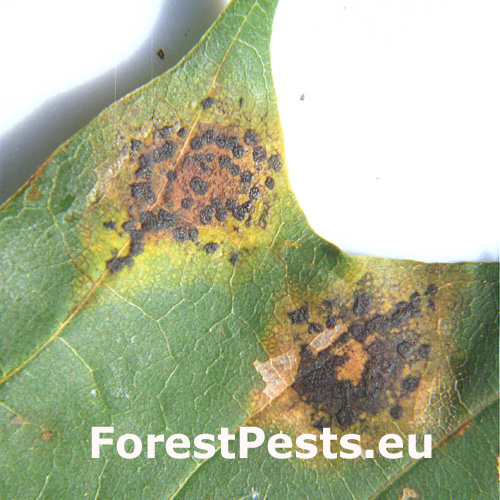
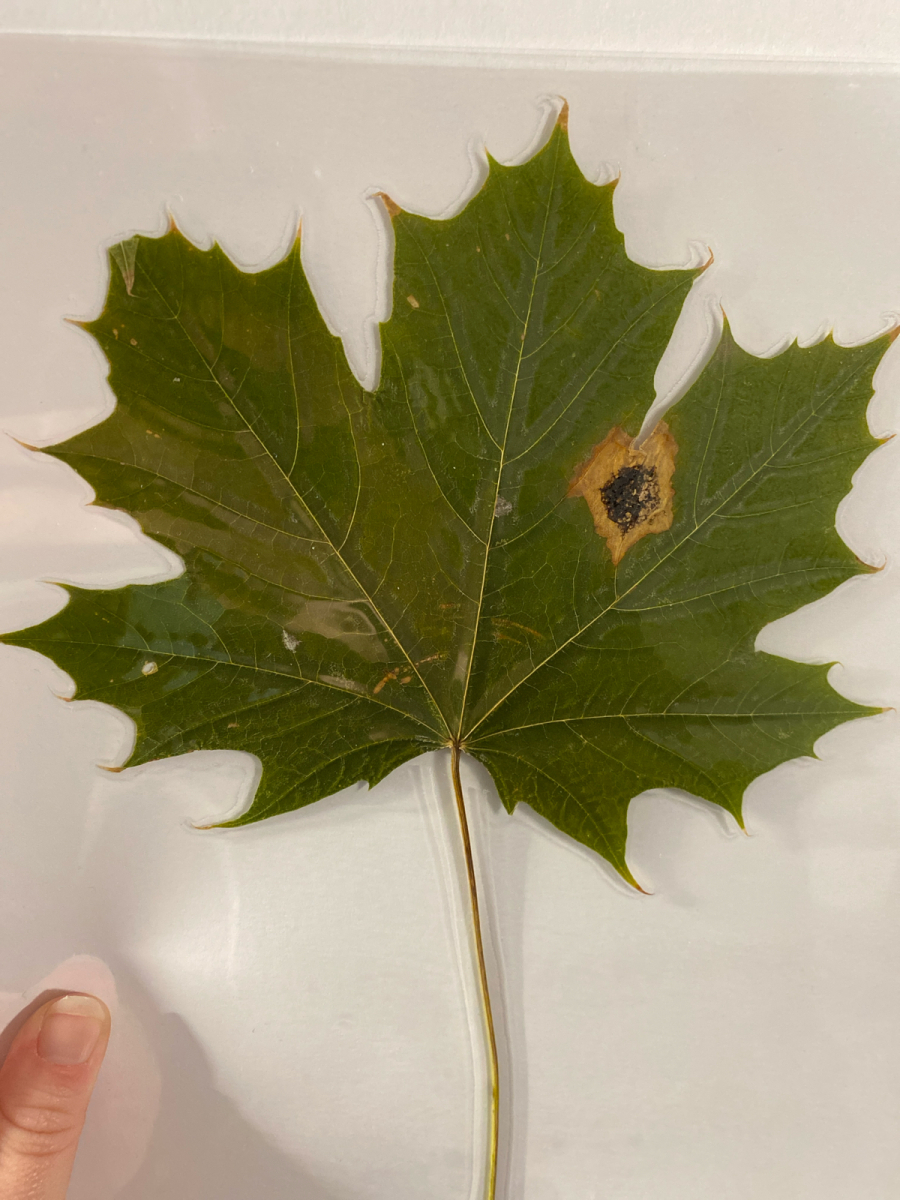
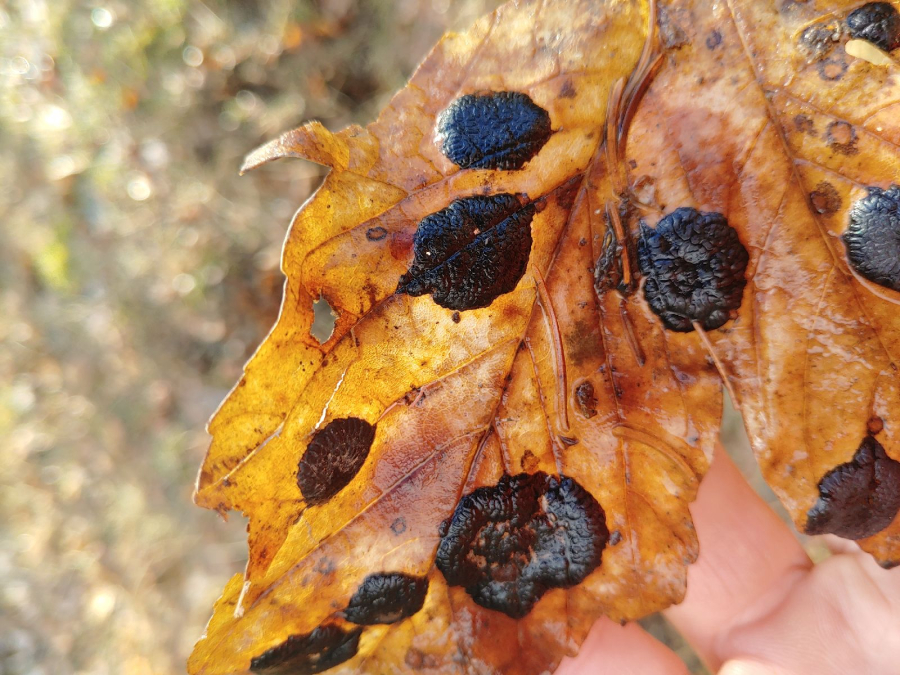
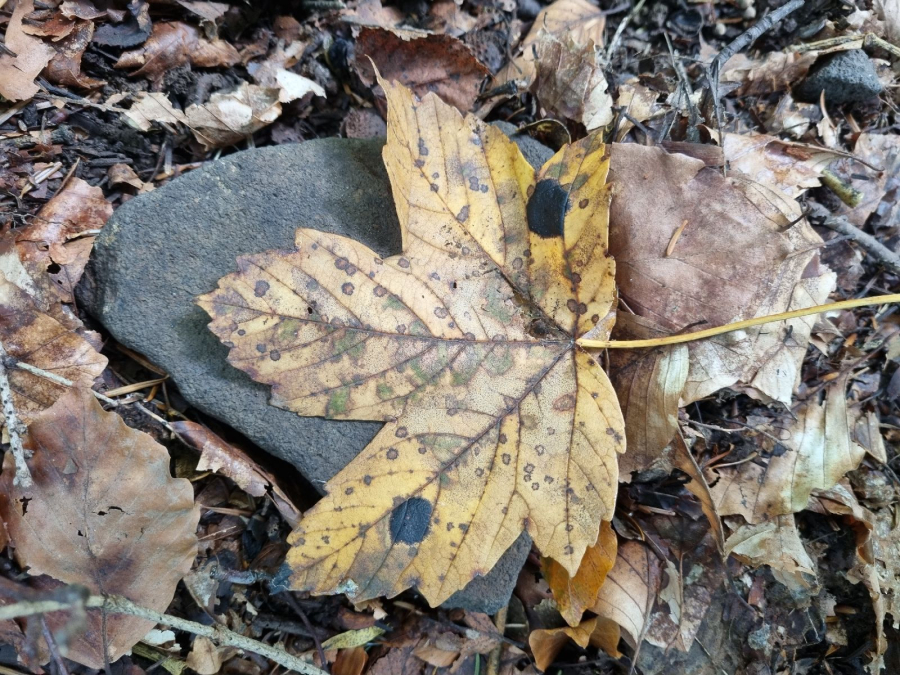
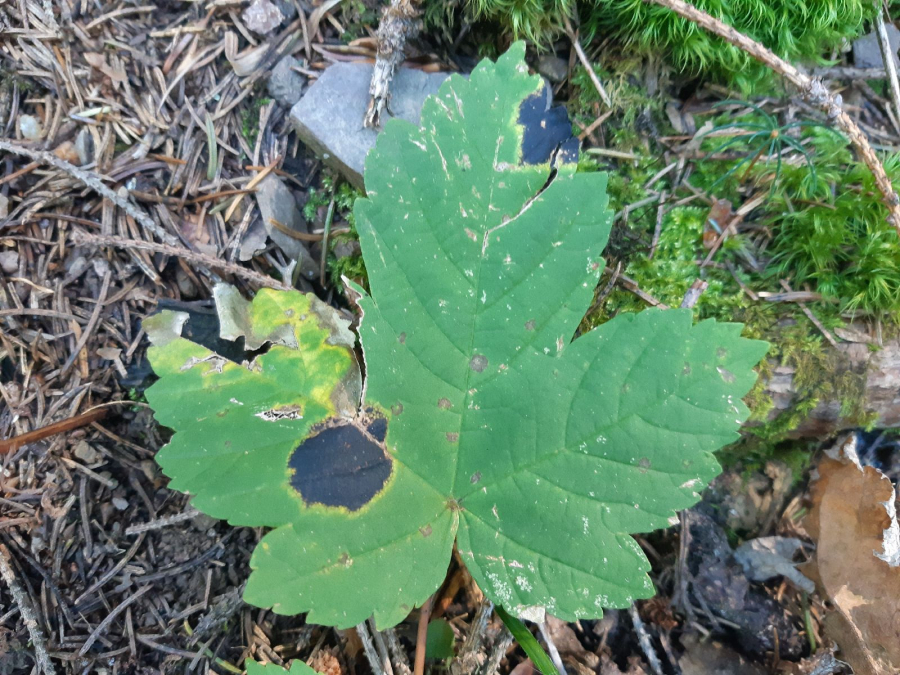
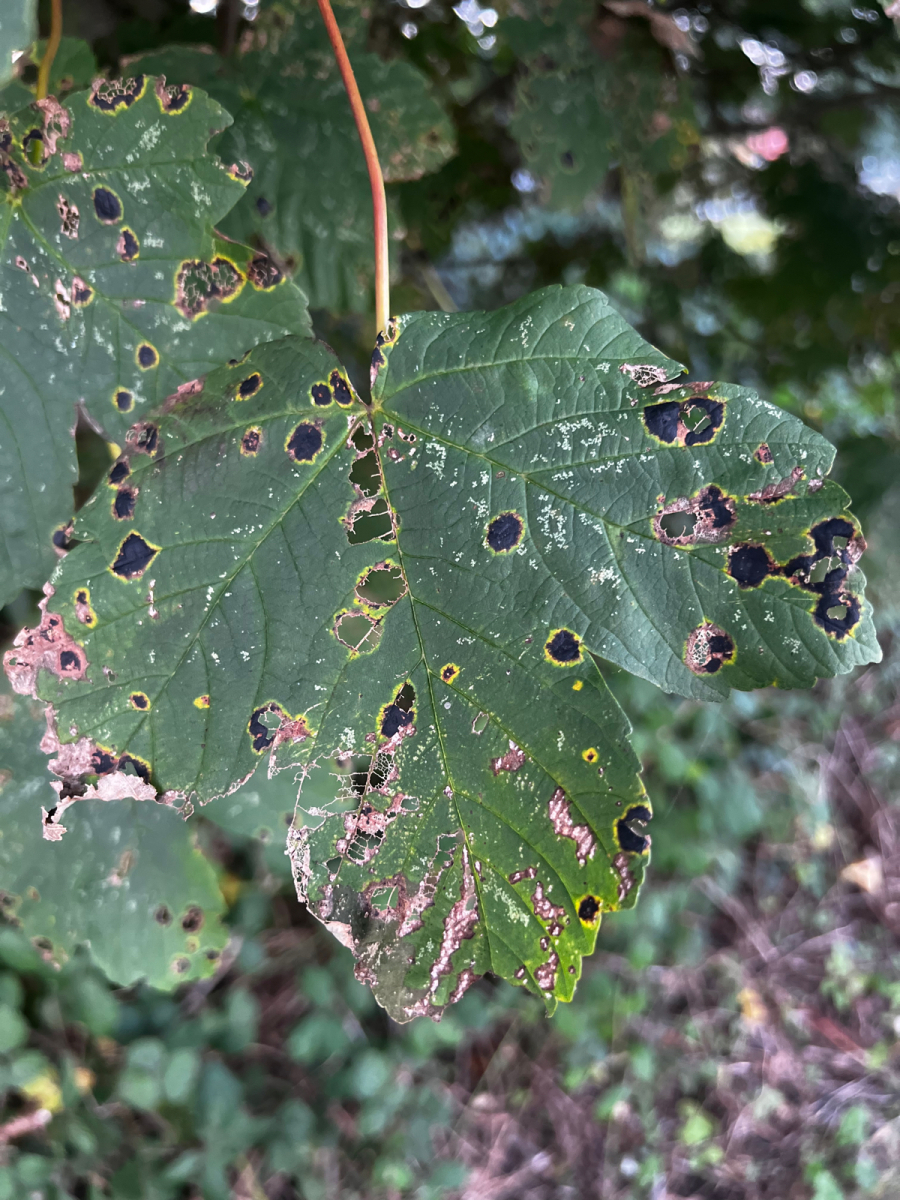
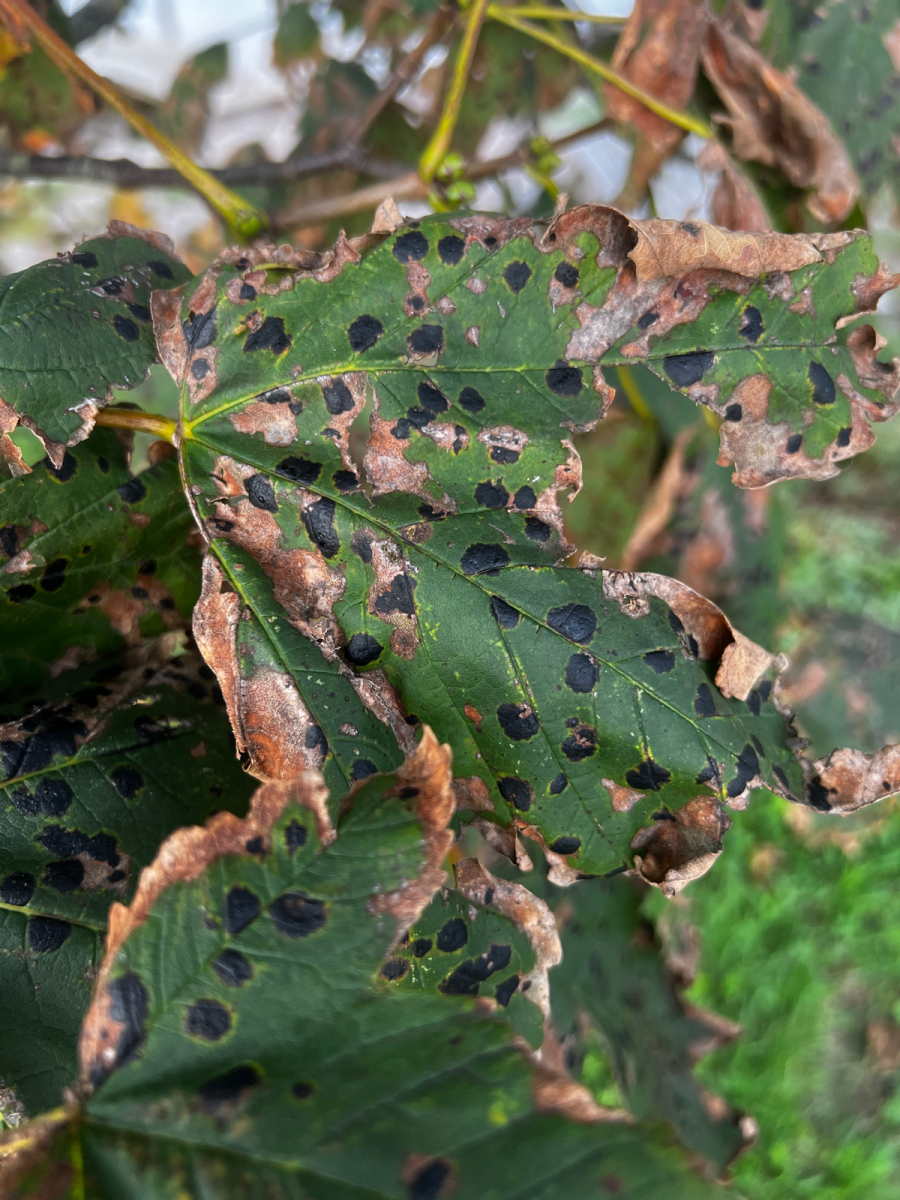
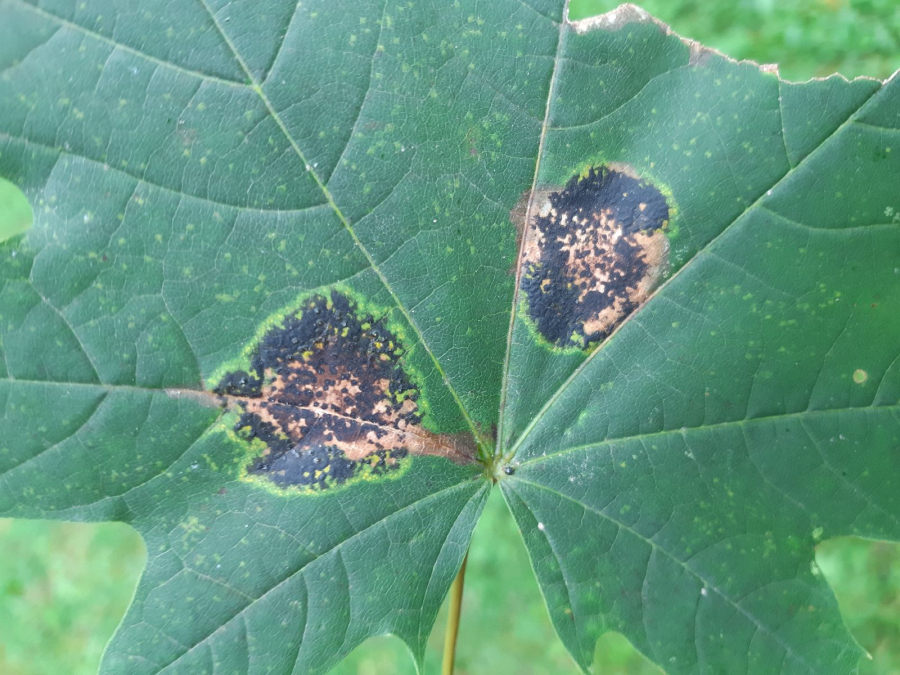
Leaves are infected through stomata on their lower side in May. From the end of May up to July, on leaves can be found yellowish spots in which gradually appear black dots. They grow and join together to form one 0.7-2 cm long, larger black spot which can fall off in time. Macroscopically, Rhytisma punctatum is different as the black dots do not join together to make one spot even at the stage of maturity. Microscopically, it differs in spores. The disease is of a practical significance only in nurseries where it reduces the assimilation surface on seedlings and transplants, and thus reducing also their increment and resistance. Infected leaves can turn yellow or brown as the season progress. The fungus is also an indicator of relatively clean air of the environment where it develops. It prefer Acer montana ? but can be foun on other maple species too (Acer campestre).
Symptom
Black round spots on the leaves.
Tree Species: Maple
Part of a plant- attacked: Leaf / Needle
Pest significance: Less harmful
Pest Category: Fungi
Invasive Species: No
Present in EU: Yes
Add comment: Rhytisma acerinum
Location map: Rhytisma acerinum
print viewLegend:

Expert verified points

Unverified points
Observed by users on these tree species
Most sightings of the species


Last observations
There are a total of 16 observations of the species in the system

Rhytisma acerinum European Tar Spot
milan
Number of votes: 0
Published: 30.10.2025

Rhytisma acerinum European Tar Spot
milan
Number of votes: 0
Published: 10.9.2025

Rhytisma acerinum European Tar Spot
milan
Number of votes: 0
Published: 9.9.2025

Rhytisma acerinum European Tar Spot
juro
Number of votes: 0
Published: 20.2.2024

Rhytisma acerinum European Tar Spot
Laura Nogová
Number of votes: 0
Published: 1.12.2023
Similar damage

Leaf spot pathogen

Alternaria rot fungus

Walnut anthracnose


