





 Show all photos in album
Insert for comparison
We will identify your pest
Add pictures of this species
Show all photos in album
Insert for comparison
We will identify your pest
Add pictures of this species
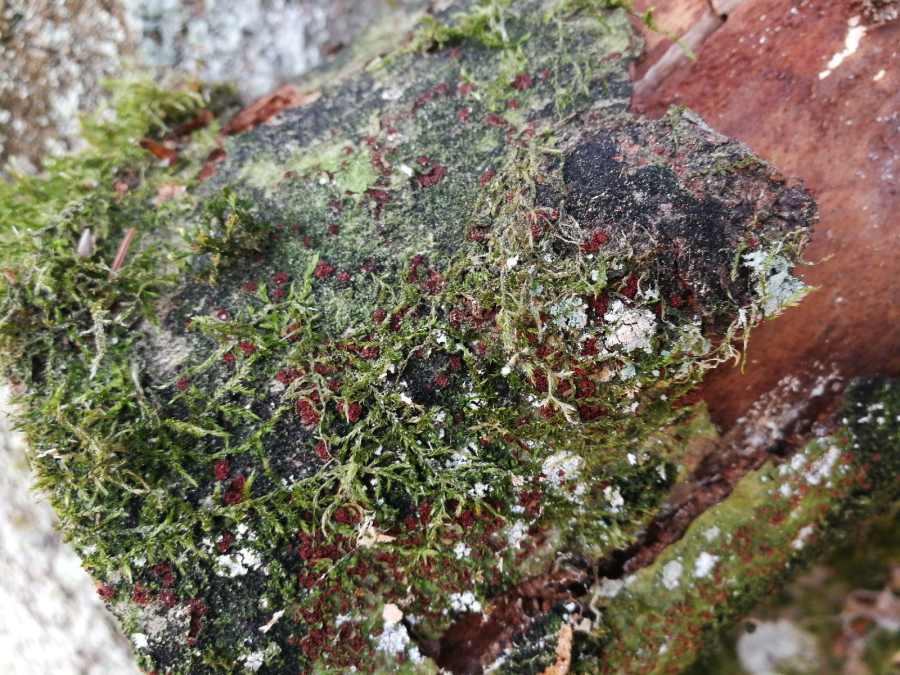
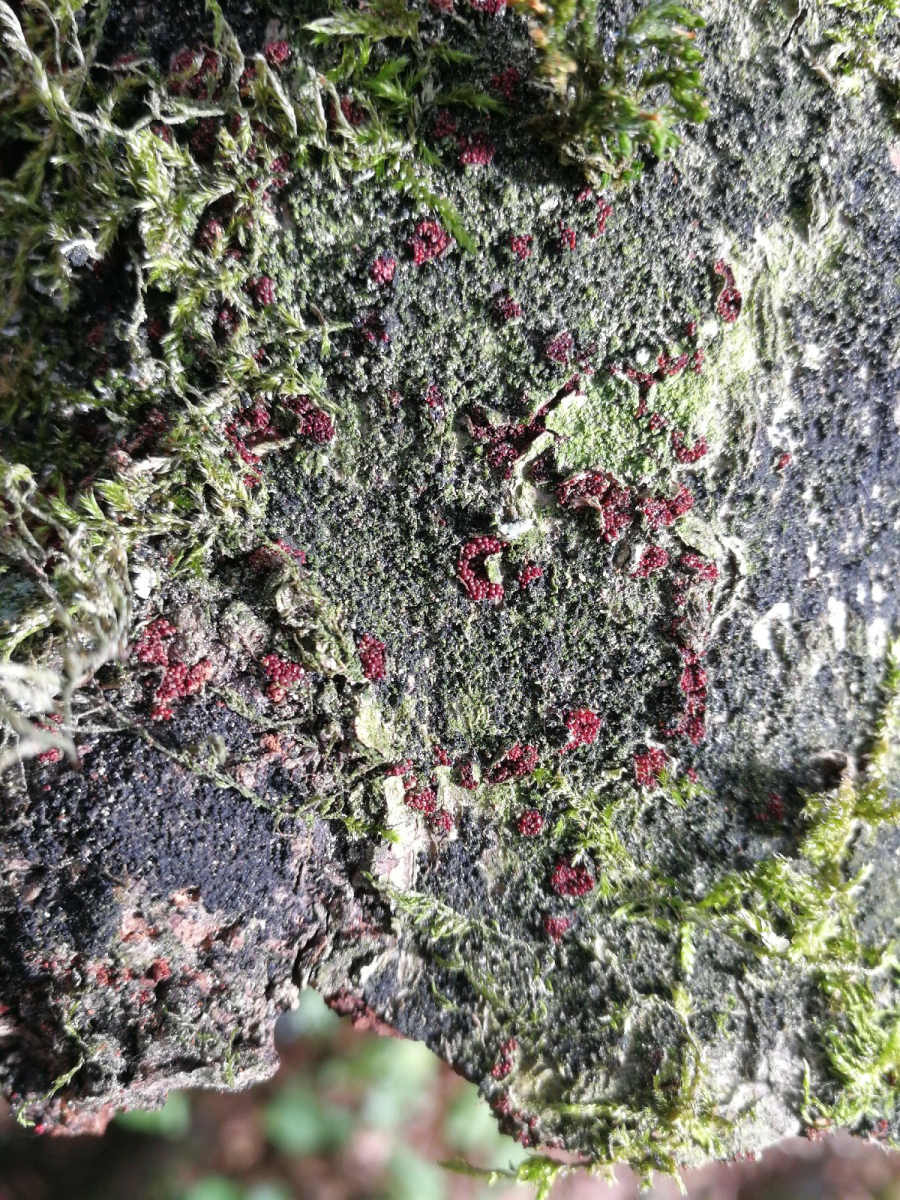
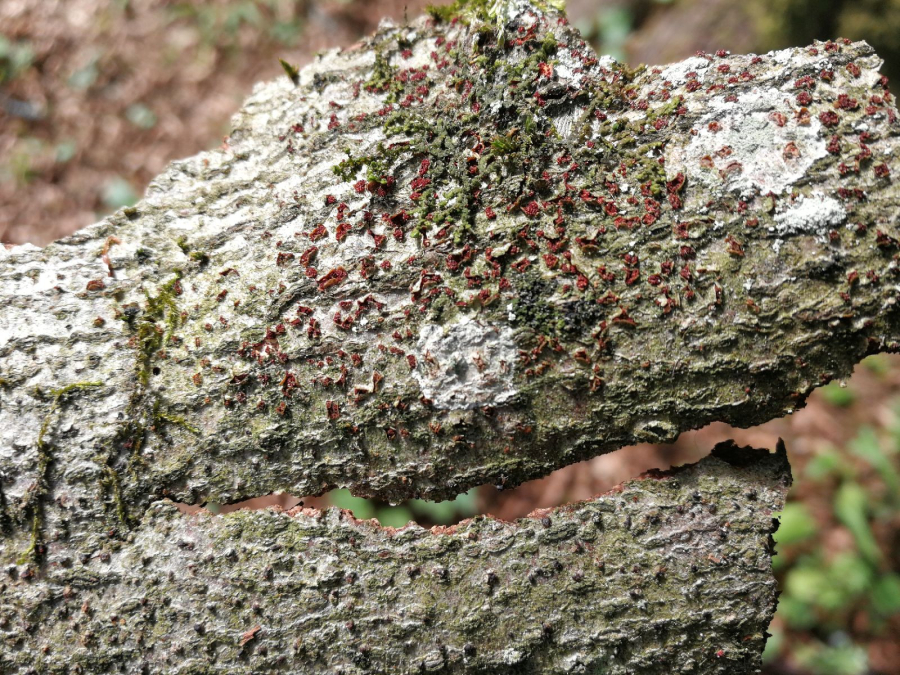
Neonectria coccinea
Beech bark disease
Description
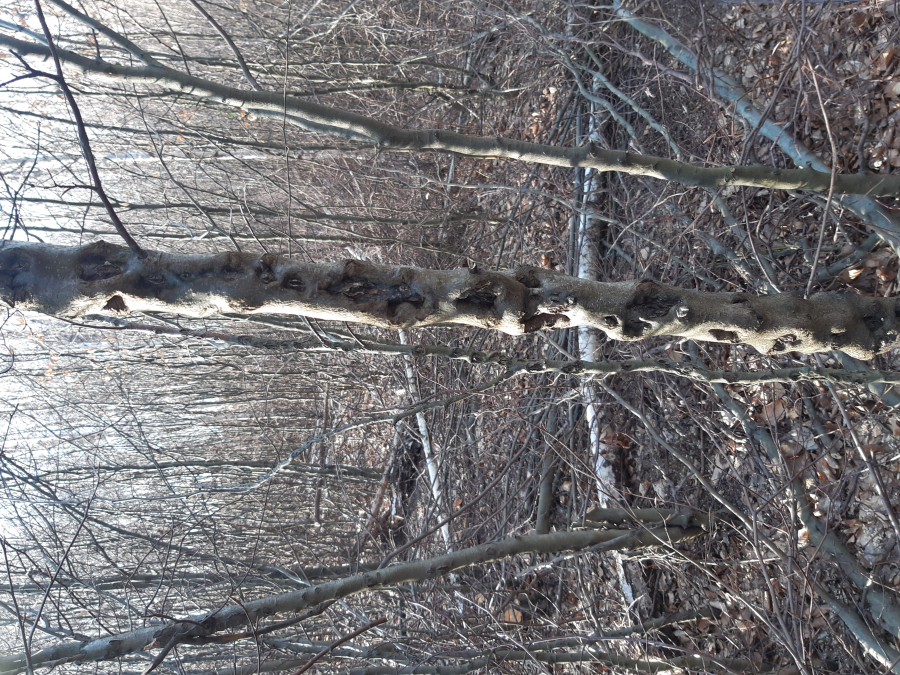
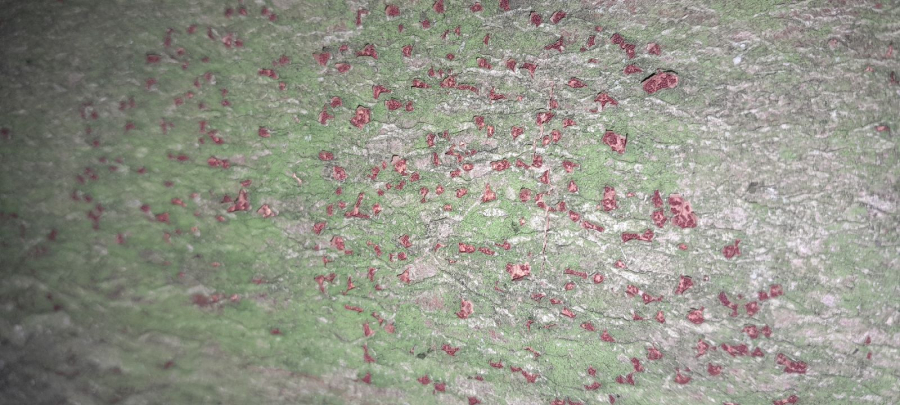
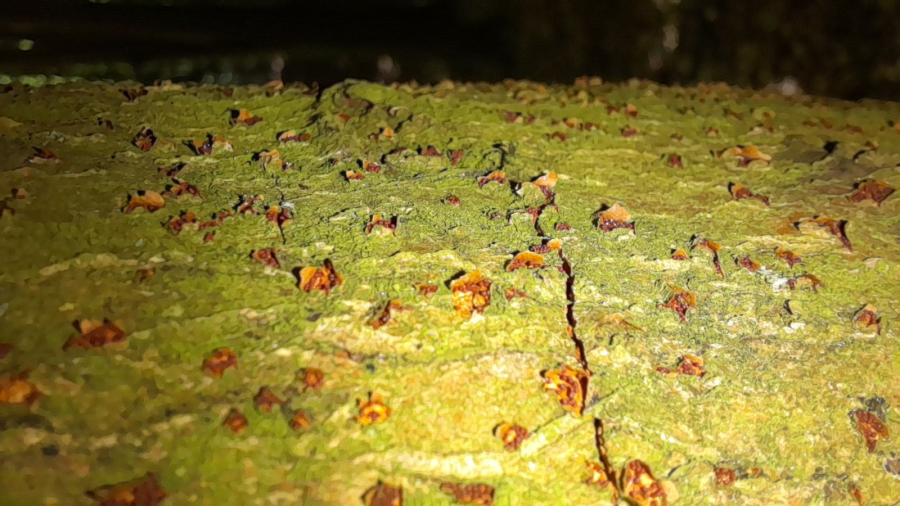
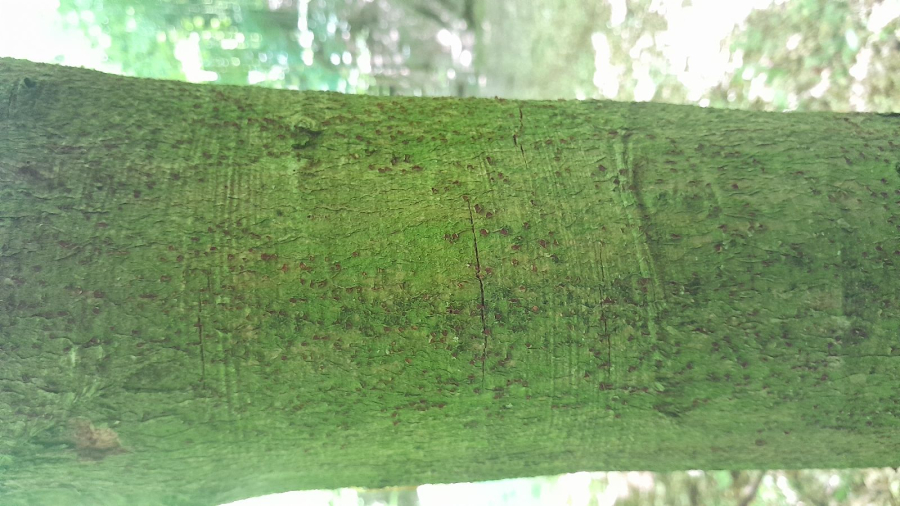
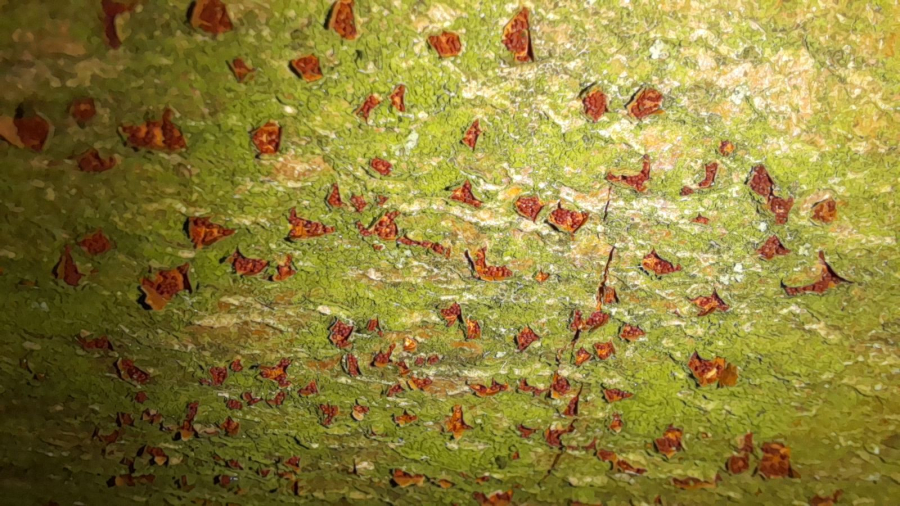
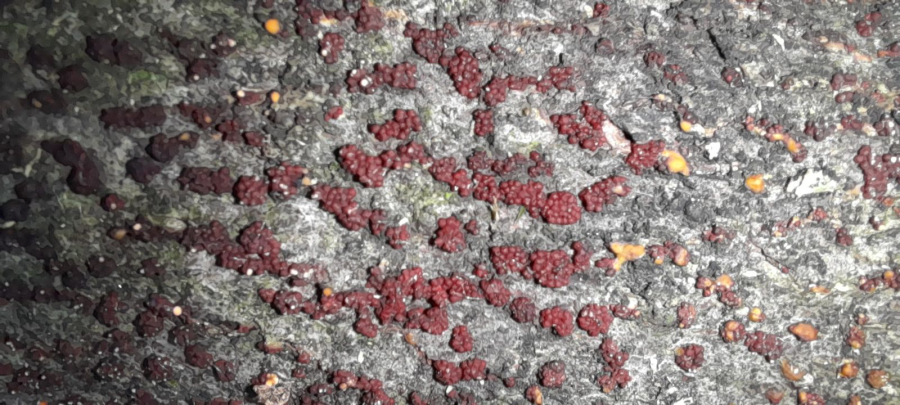
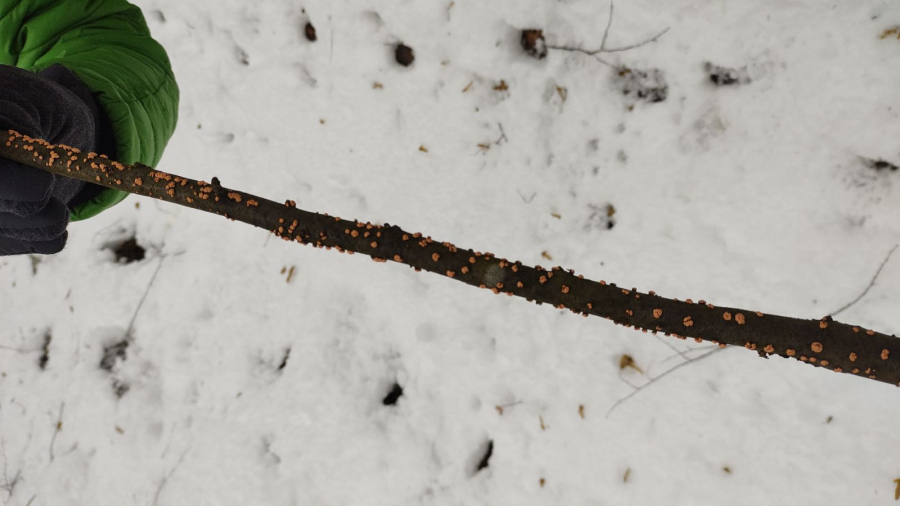
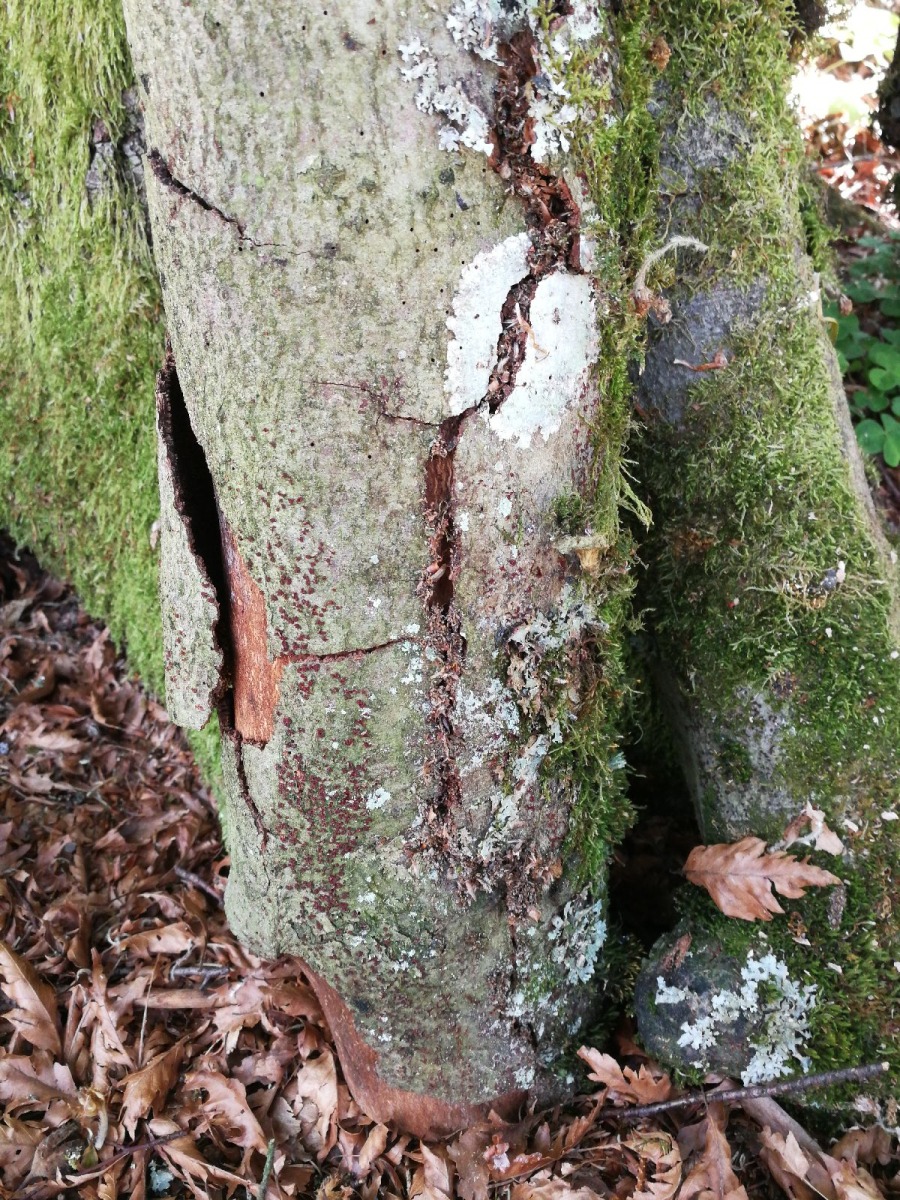
The bark is infected through wounds. Black tarry spots and orange-reddish fruiting bodies of the fungus are often found in the place of infection. The mycelium causes dying off of the bark and cambium cells. The tree defends itself by forming a callus, thus creating a canker tumor. Leaves above the place of infection are smaller and have symptoms of chlorosis. After girdling, the whole part above the infected place dies off. Attacked trees are necessary to be continuously removed from the stand.
Symptom
Black tarry spots and orange-reddish fruiting bodies of the fungus are often found in the place of infection. Leaves above the place of infection are smaller and have symptoms of chlorosis.
Tree Species: Beech, Maple
Part of a plant- attacked: Tree trunk, Branch
Pest significance: Very harmful
Pest Category: Fungi
Invasive Species: No
Present in EU: Yes
Add comment: Neonectria coccinea
Location map: Neonectria coccinea
print viewLegend:

Expert verified points

Unverified points
Observed by users on these tree species
Most sightings of the species


Last observations
There are a total of 8 observations of the species in the system

Neonectria coccinea Beech bark disease
Viera Kusa
Number of votes: 0
Published: 5.6.2025

Neonectria coccinea Beech bark disease
Viera Kusa
Number of votes: 0
Published: 12.5.2025

Neonectria coccinea Beech bark disease
Alexander
Number of votes: 0
Published: 2.2.2023

Neonectria coccinea Beech bark disease
Alexander
Number of votes: 0
Published: 2.2.2023

Neonectria coccinea Beech bark disease
Jaroslav Mitušina
Number of votes: 0
Published: 17.12.2022
Similar damage

Canker of Douglas fir

Cytospora canker Valsa populina

Pale oyster

