










 Show all photos in album
Insert for comparison
We will identify your pest
Add pictures of this species
Show all photos in album
Insert for comparison
We will identify your pest
Add pictures of this species
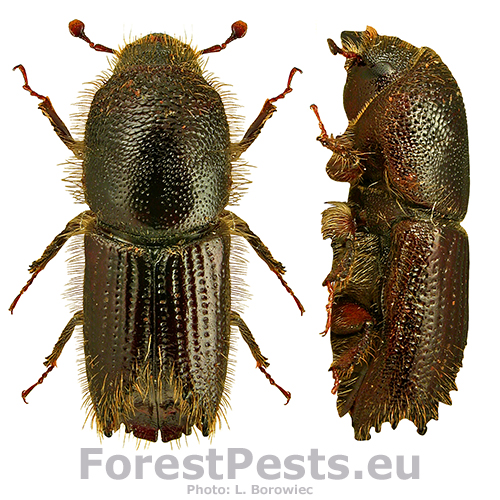
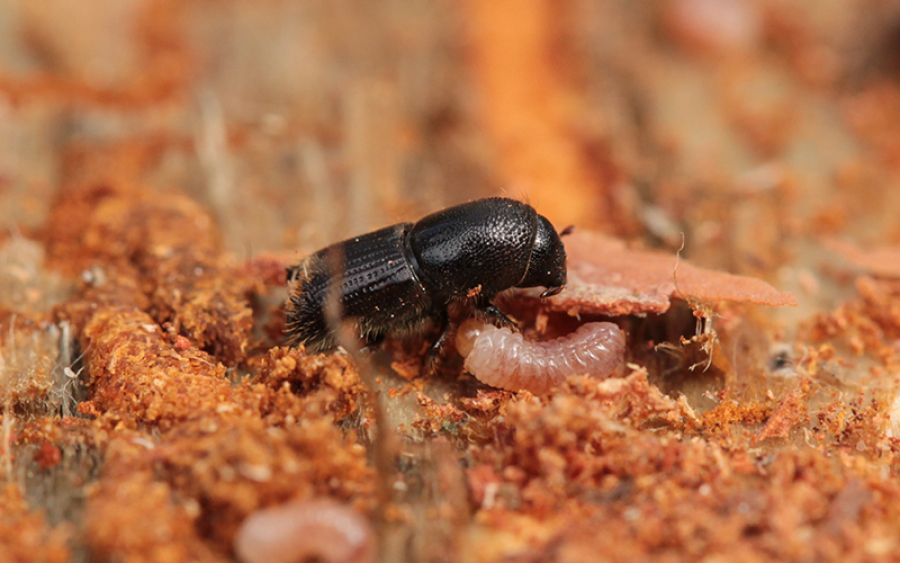
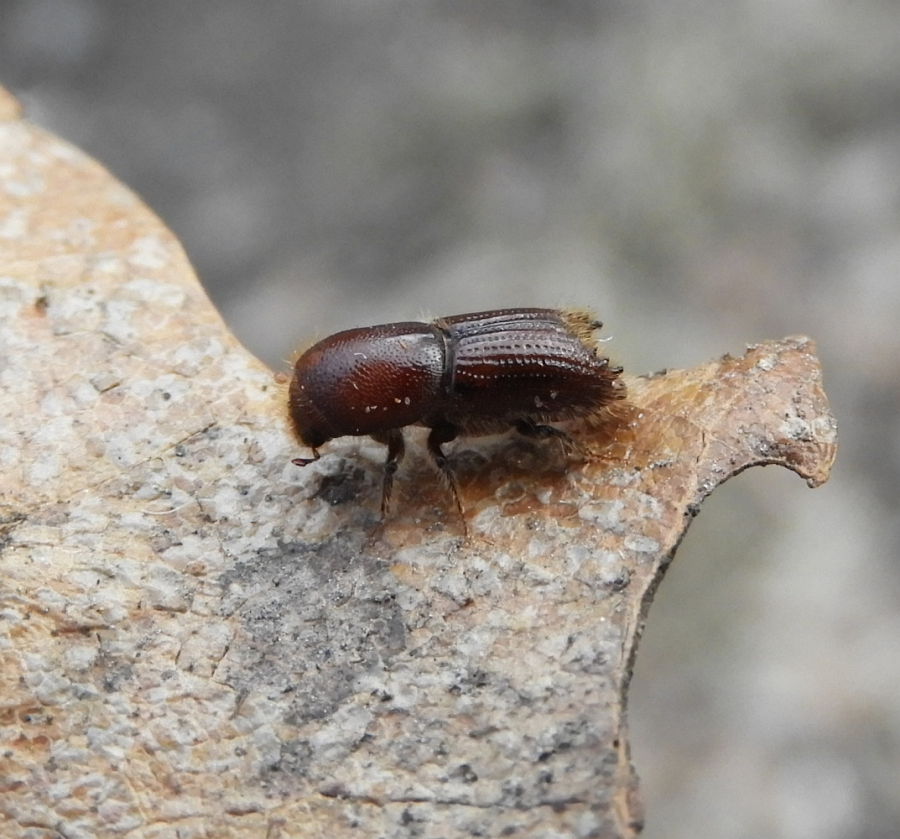
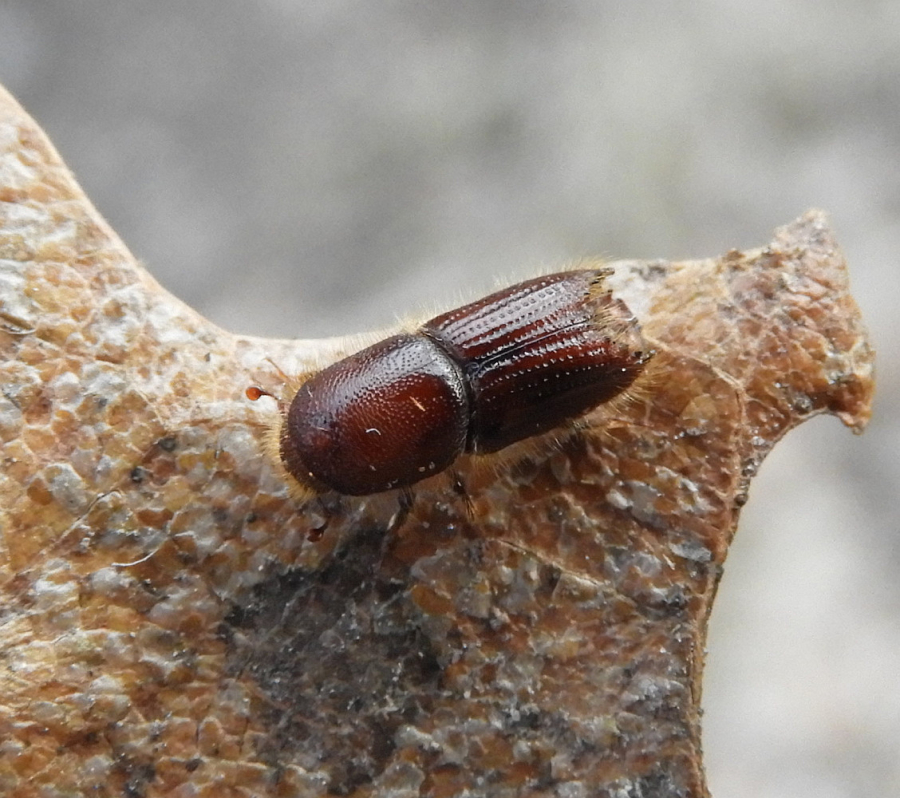
Ips sexdentatus
Six-toothed pine bark beetle
Description
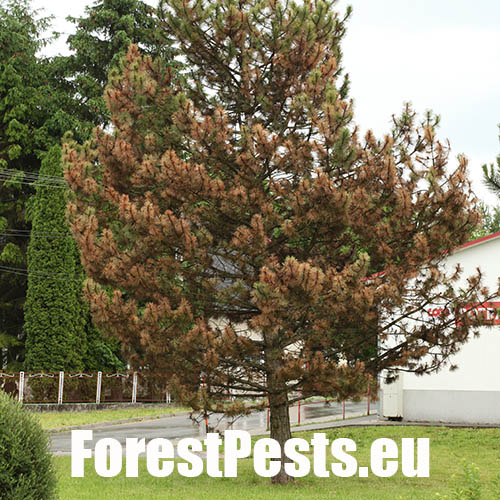
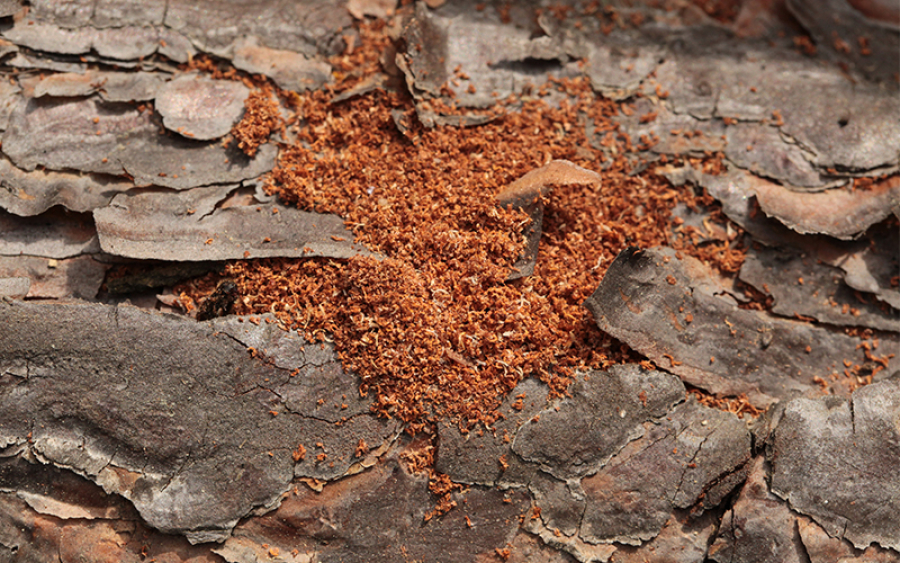
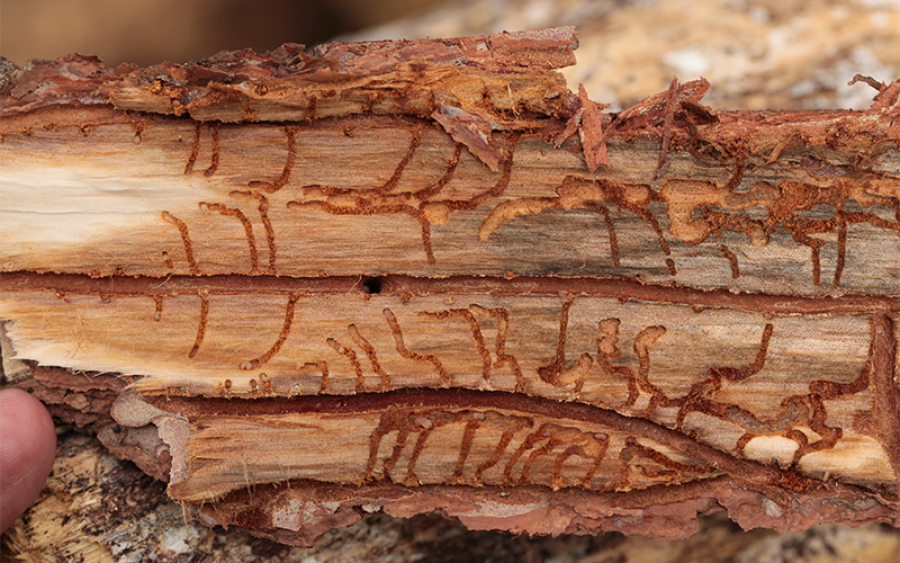
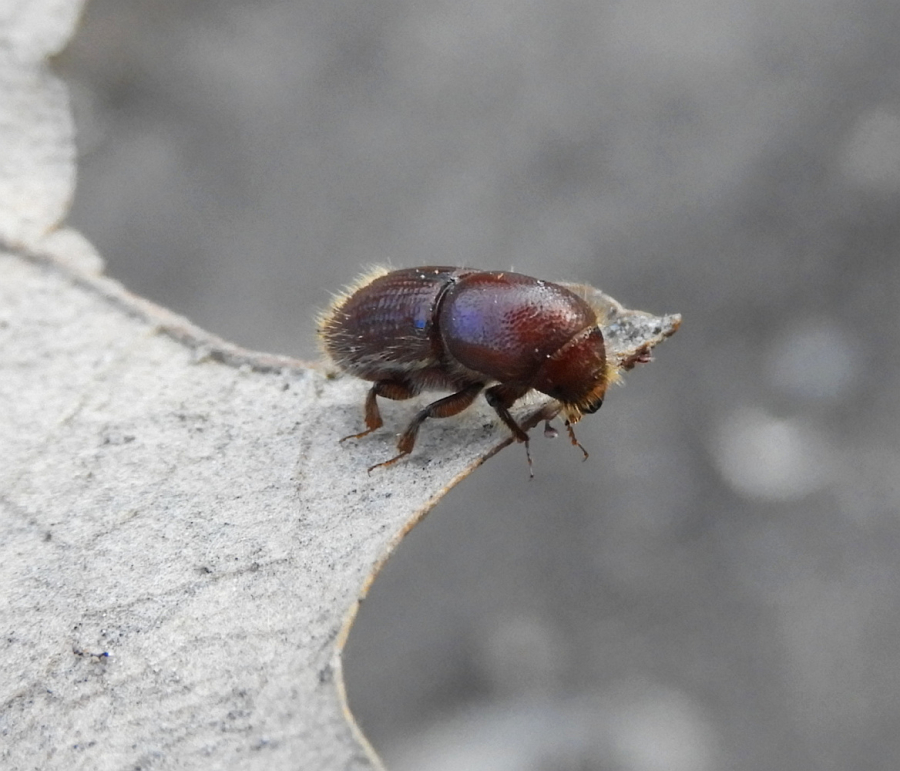
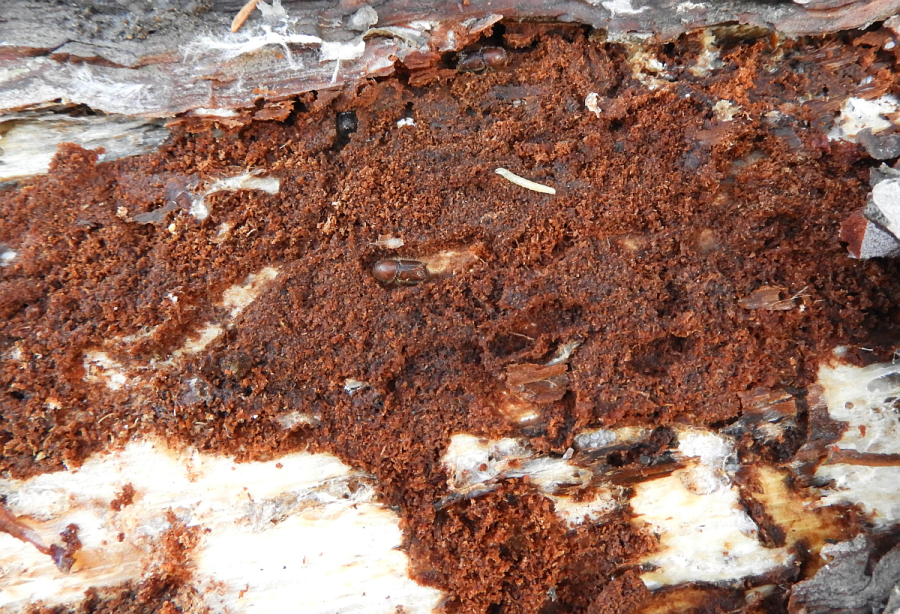
The largest species in the genus Ips, measuring 6 to 8 mm in length. The first swarming is in early May, the second in July. Mostly the adults overwinter, usually in pupal chambers. The larva lives under thick bark of old trees. Maternal galleries are 30–50 cm long (rarely up to 100 cm) and 3–3.5 mm wide. They follow fibers and usually one gallery is directed up and two other down. In each gallery females chew 3–4 ventilation holes and then lay about 60–70 eggs singly in cut niches. The galleries are also visible on the surface of sapwood. The larval tunnels are relatively dense and not too long. It is a typical secondary pest of pine. Attacked trees die back fast. It prefers warmer localities. It primarily attacks older trees and targets thicker trunks (over 50 years old and with a diameter of around 30 cm). However, it often appears in significantly younger stands as well, with a thickness of around 10 cm, or even less.
An expert note:
An expert inspection of the infested pine stands conducted on August 7, 2024, revealed that most of the beetles have already emerged and have not mass-attacked new trees. Although we observed occasional beetle flights, there was definitely no mass colonization of new trees. It can therefore be assumed that due to the warm summer weather, the development of most beetles has concluded, and the adult beetles are now overwintering in the soil or at the base of the trunks.
Symptom
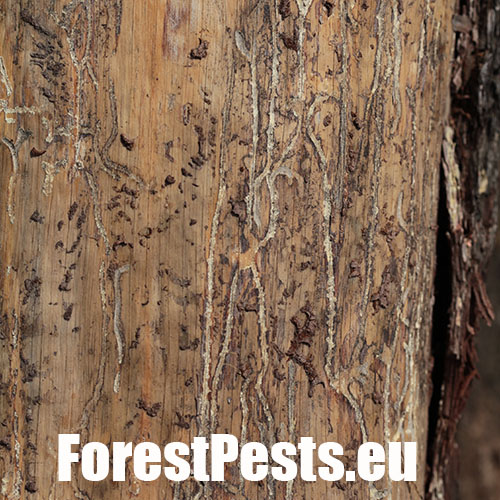
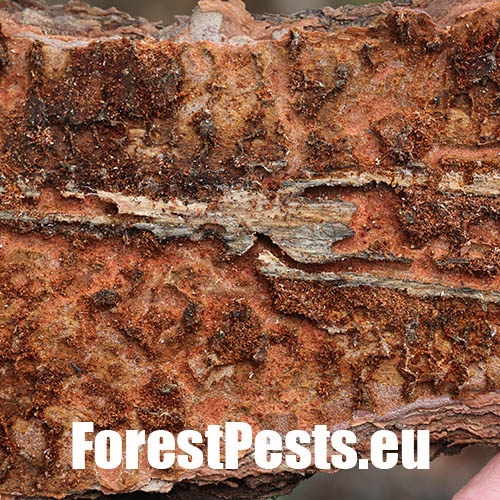
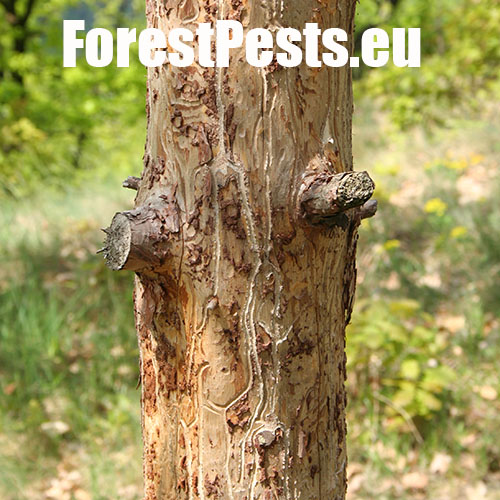
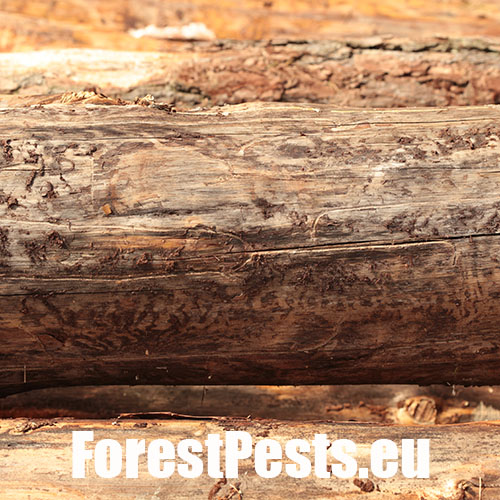
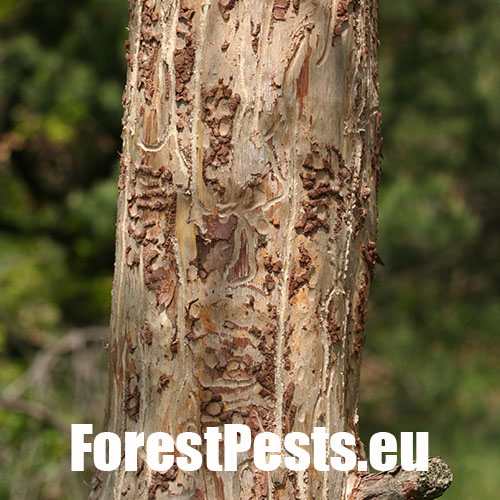
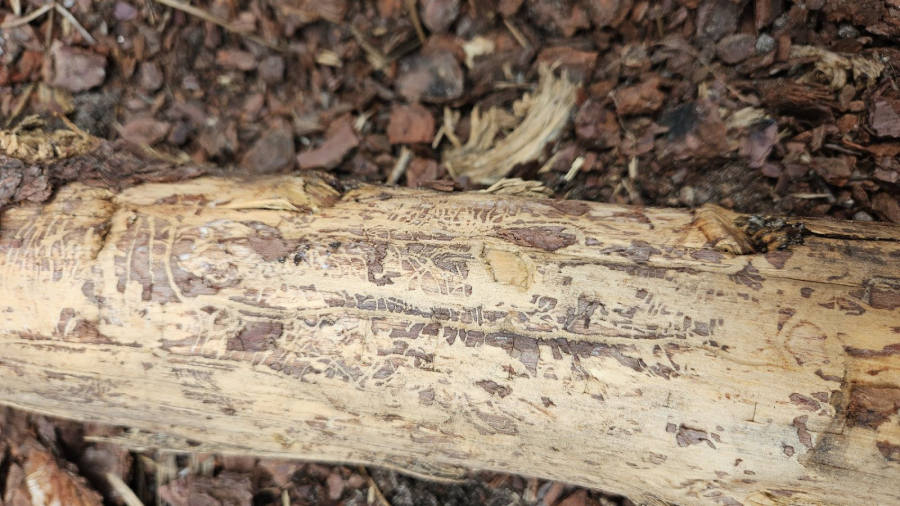
The galleries are also visible on the surface of sapwood. Maternal galleries are 30–50 cm long (rarely up to 100 cm) and 3–3.5 mm wide. The larval tunnels are relatively dense and not too long.
Tree Species: Pine
Part of a plant- attacked: Tree trunk
Pest significance: Very harmful
Pest Category: Insects
Invasive Species: No
Present in EU: Yes
Add comment: Ips sexdentatus
Location map: Ips sexdentatus
print viewLegend:

Expert verified points

Unverified points
Observed by users on these tree species
Most sightings of the species


Last observations
There are a total of 14 observations of the species in the system

Ips sexdentatus Six-toothed pine bark beetle
miso
Number of votes: 0
Published: 9.6.2025

Ips sexdentatus Six-toothed pine bark beetle
miso
Number of votes: 0
Published: 16.4.2025

Ips sexdentatus Six-toothed pine bark beetle
Milan Zubrik
Number of votes: 0
Published: 19.6.2024

Ips sexdentatus Six-toothed pine bark beetle
Milan Zubrik
Number of votes: 0
Published: 19.6.2024

Ips sexdentatus Six-toothed pine bark beetle
Milan Zubrik
Number of votes: 0
Published: 19.6.2024
Similar damage

Engraver beetle

European spruce bark beetle

Common pine shoot beetle


