






 Show all photos in album
Insert for comparison
We will identify your pest
Add pictures of this species
Show all photos in album
Insert for comparison
We will identify your pest
Add pictures of this species
Hylobius abietis
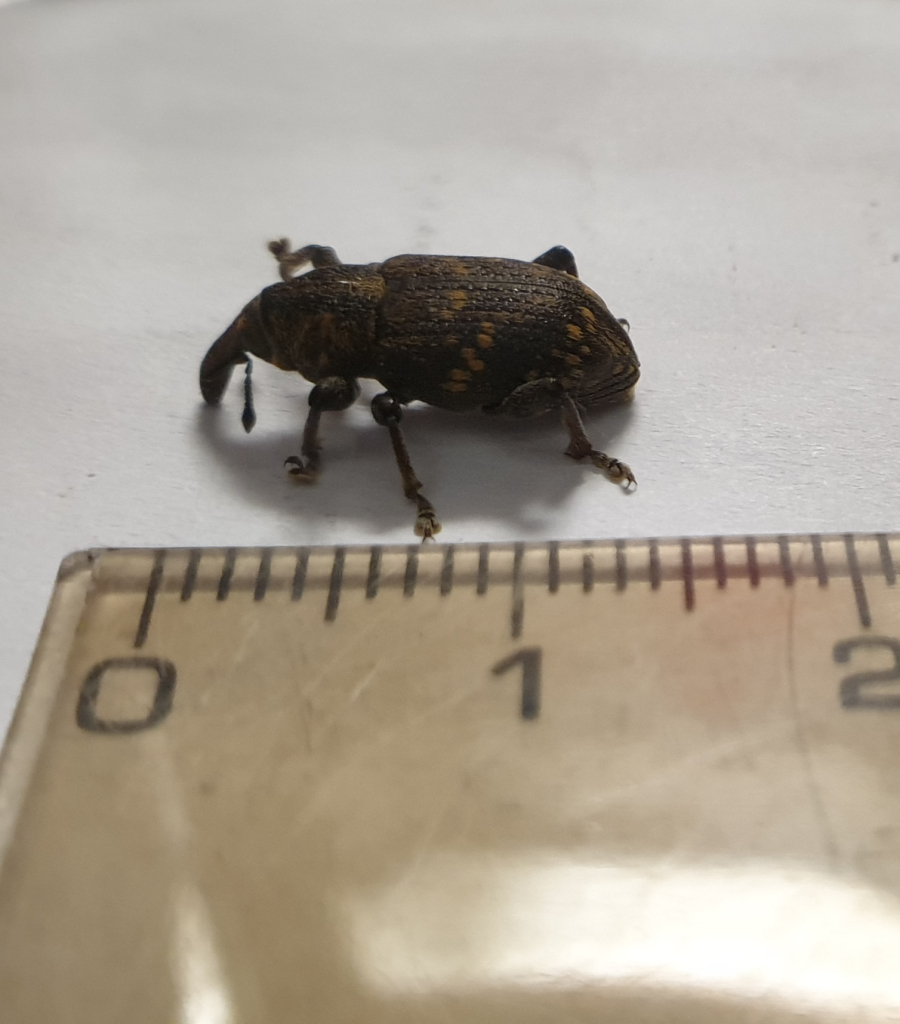
Large pine weevil
Description
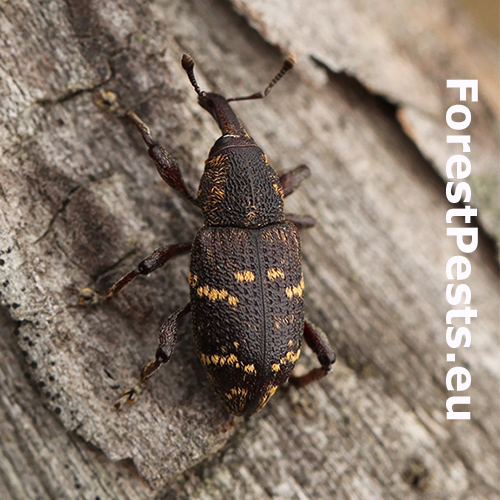
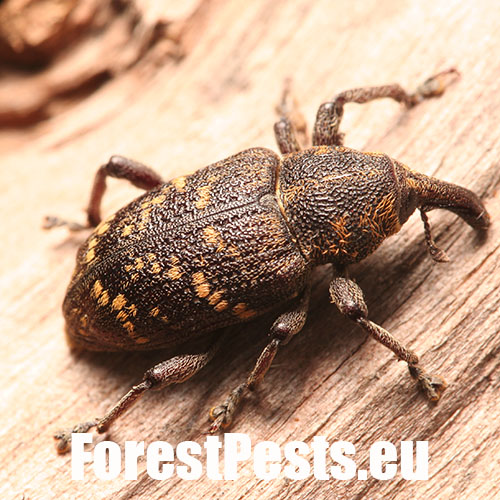
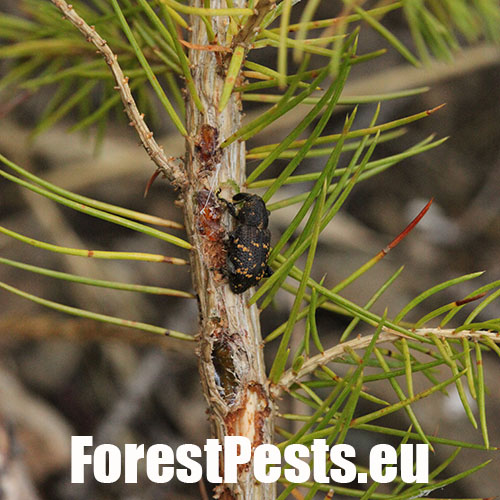
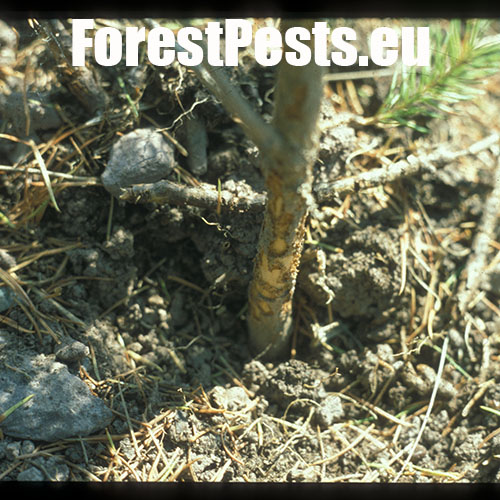
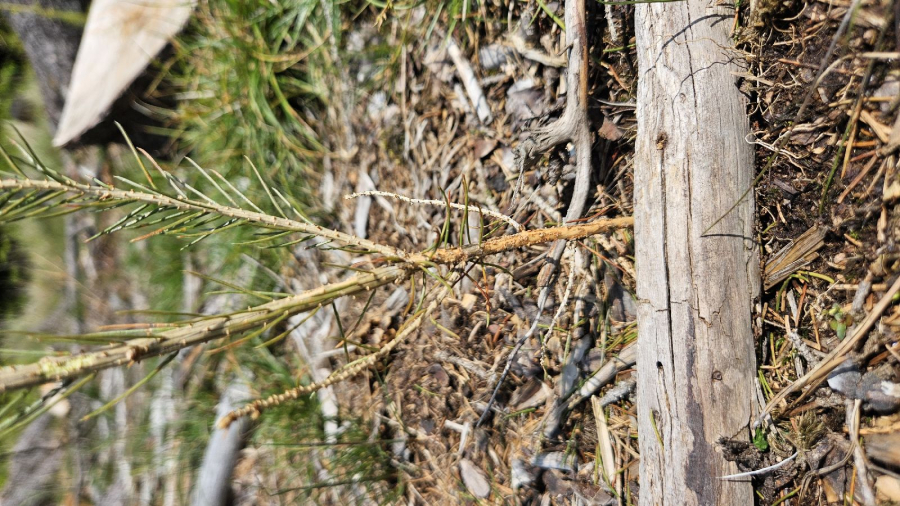
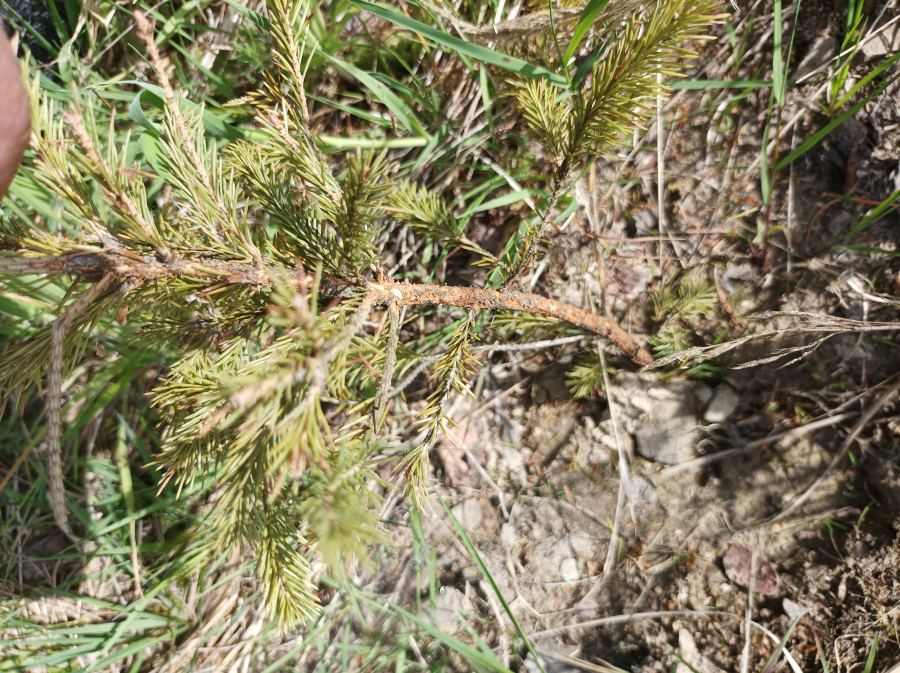
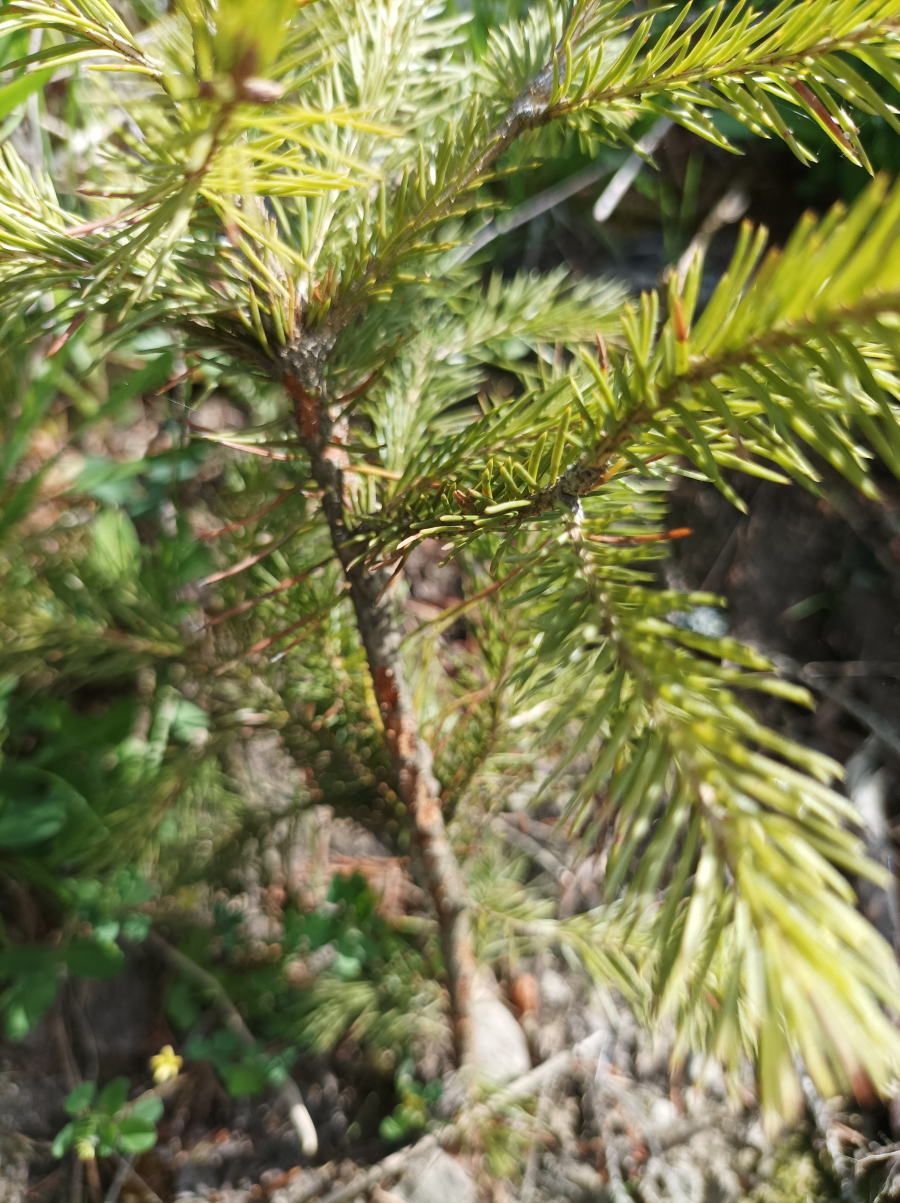
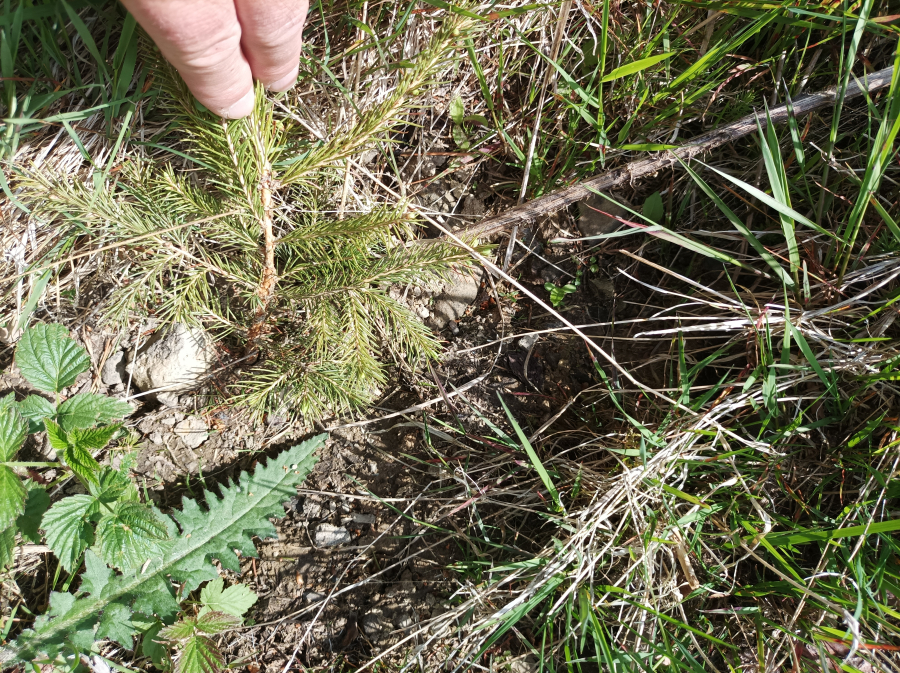
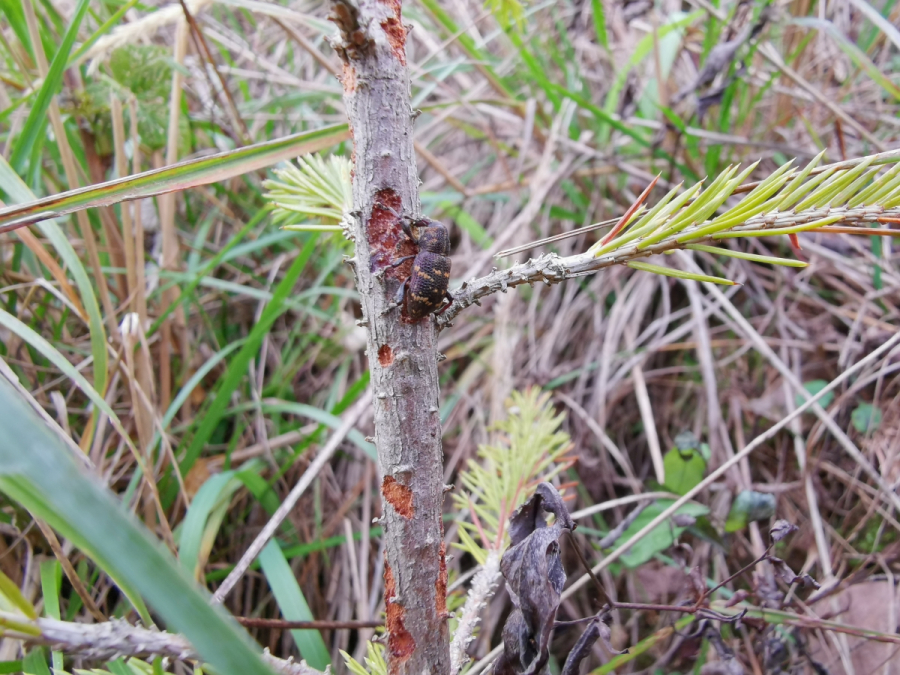
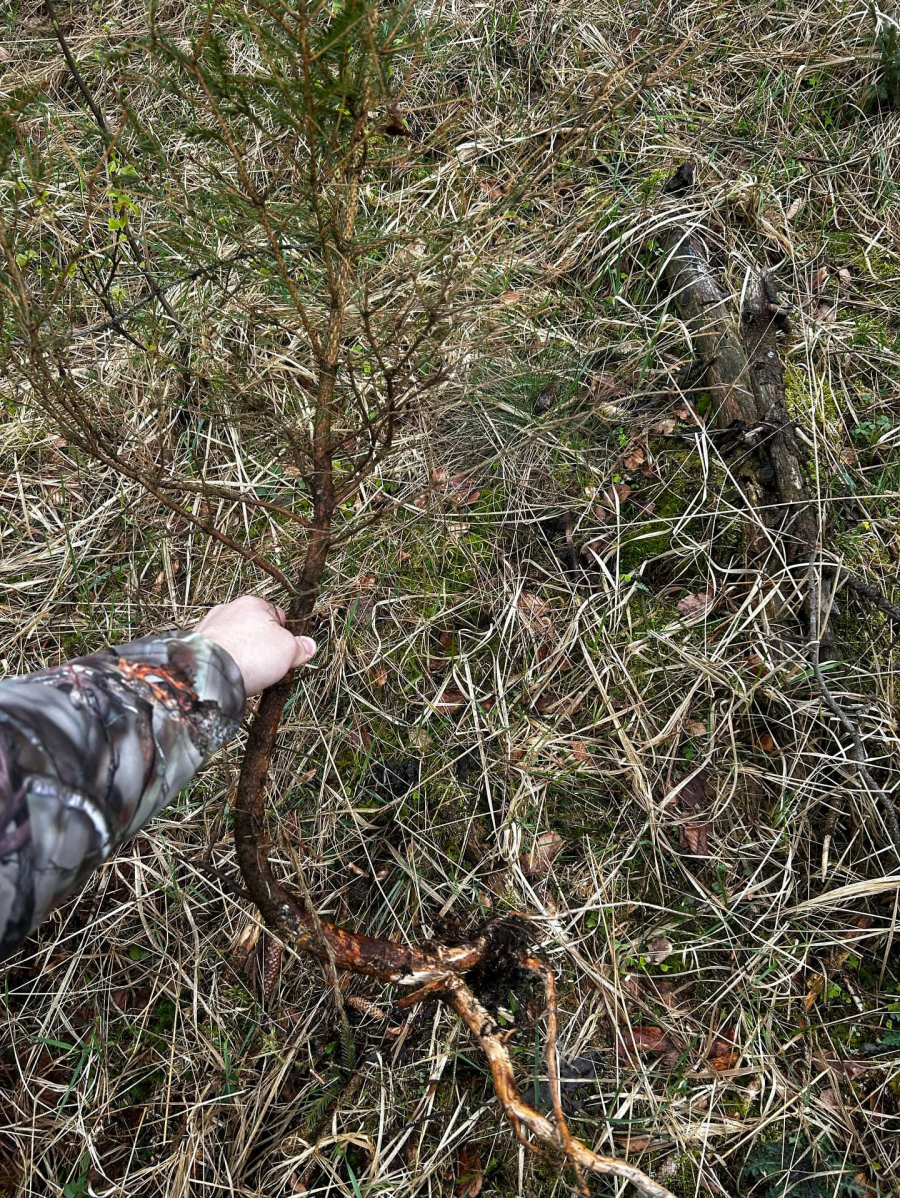
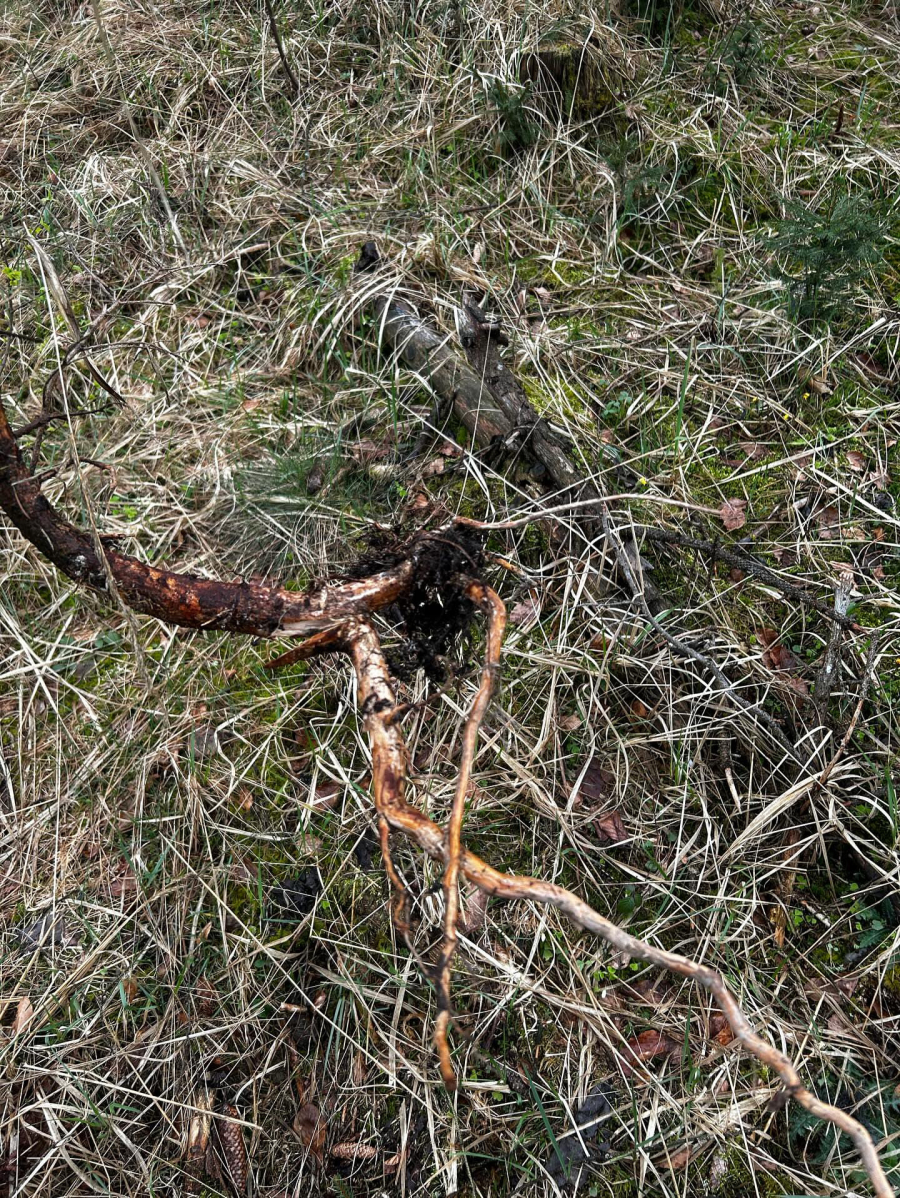
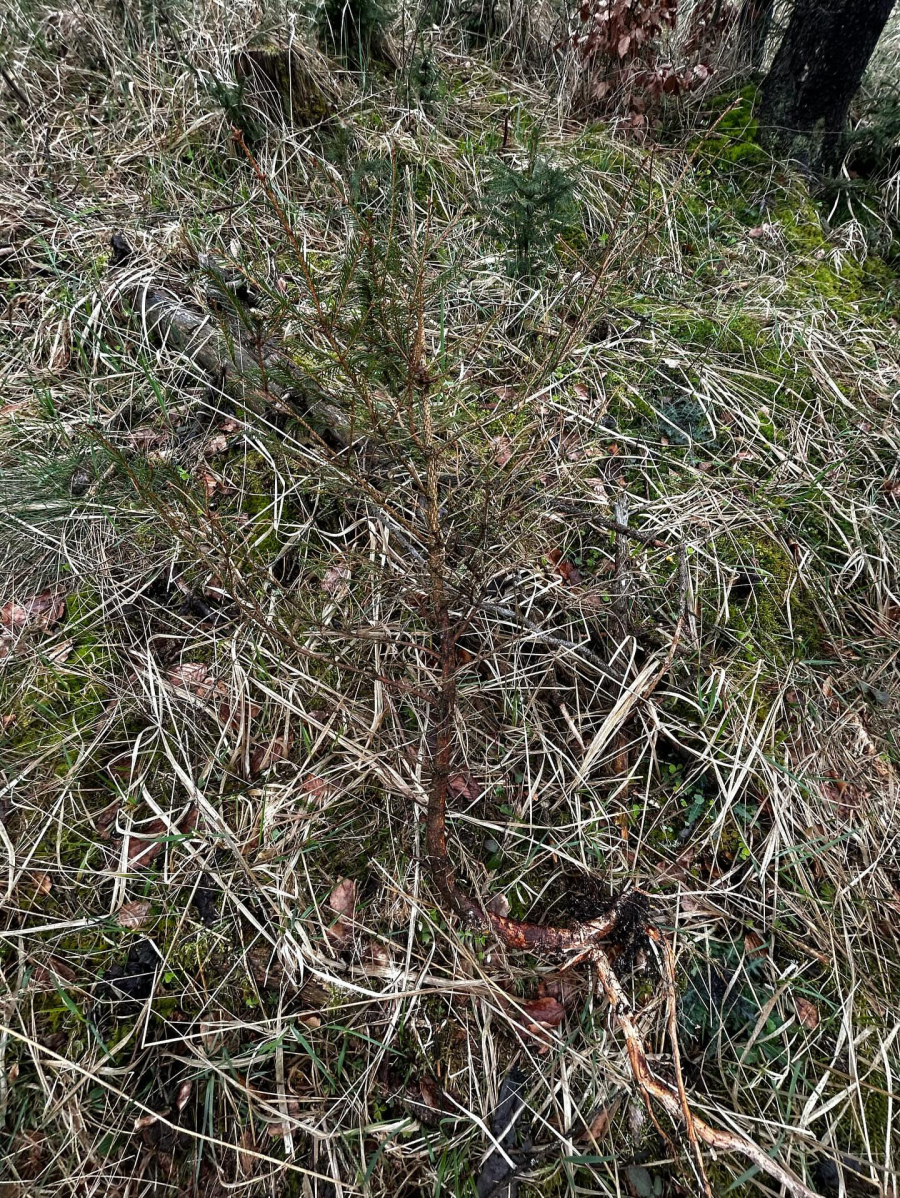
The adult is dark brown with pale little spots on elytra. It is 10 to 14 mm long. The head is elongated into a noticeable nose with antennae on its end. The female lays eggs onto roots of fresh pine and spruce stumps. The larva is whitish, limbless, slightly arched, 12–23 mm long. It pupates in the bark. Feeding under the stump bark is not harmful; to the contrary, it speeds up their decay. The maturation feeding of sexually immature adults is dangerous on conifer seedlings, especially pines. Feeding of adults on trunks is square. The adult beetle feeds on the bark just above the ground, in deep, funnel-like holes up to sapwood, which causes intense resin production. In case of severe attack, it damages the entire little trunk and the seedling dies.
Symptom
Surface damage to trunks and branches of young trees.
Tree Species: Fir, Spruce, Larch
Part of a plant- attacked: Tree trunk
Pest significance: Very harmful
Pest Category: Insects
Invasive Species: No
Present in EU: Yes
Add comment: Hylobius abietis
Location map: Hylobius abietis
print viewLegend:

Expert verified points

Unverified points
Observed by users on these tree species
Most sightings of the species


Last observations
There are a total of 14 observations of the species in the system

Hylobius abietisLarge pine weevil
miso
Number of votes: 0
Published: 4.6.2025

Hylobius abietisLarge pine weevil
Marián Slamka
Number of votes: 0
Published: 2.9.2024

Hylobius abietisLarge pine weevil
majo
Number of votes: 0
Published: 2.9.2024

Hylobius abietisLarge pine weevil
Alexandra Urbanová
Number of votes: 0
Published: 28.5.2024

Hylobius abietisLarge pine weevil
Alexandra Urbanová
Number of votes: 0
Published: 28.5.2024
Similar damage

Hylobius excavatus

European silver fir weevil

Banded pine weevil


