




 Show all photos in album
Insert for comparison
We will identify your pest
Add pictures of this species
Show all photos in album
Insert for comparison
We will identify your pest
Add pictures of this species
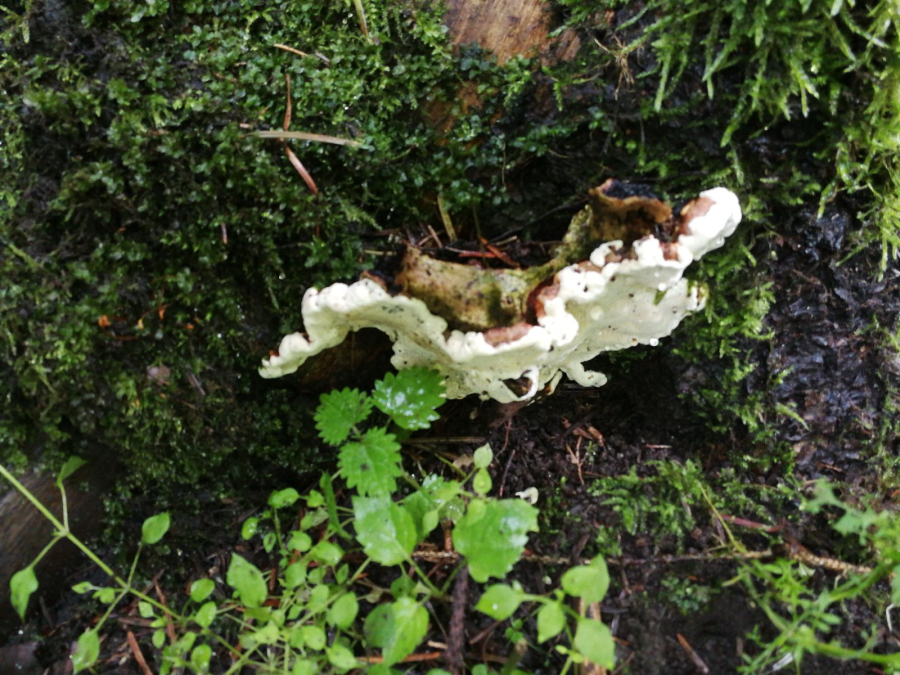
Heterobasidion annosum
Annosum root rot
Description
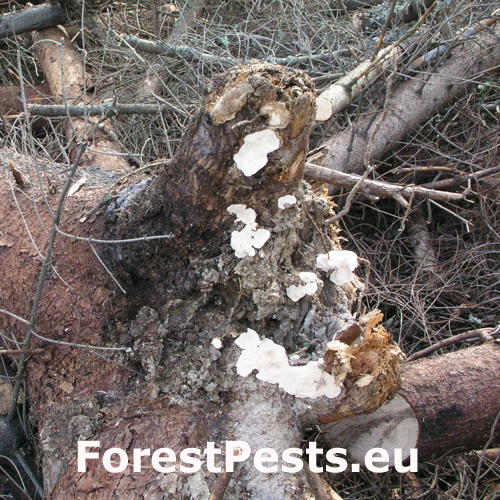
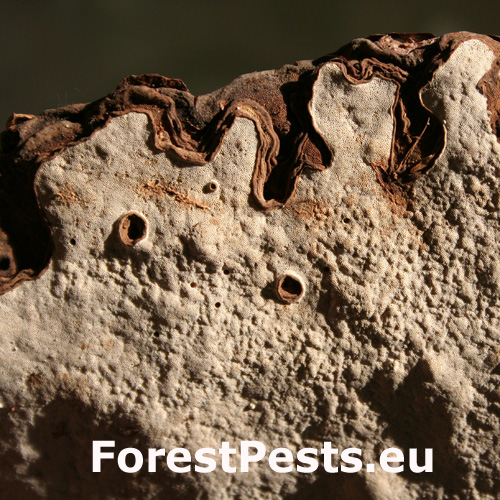
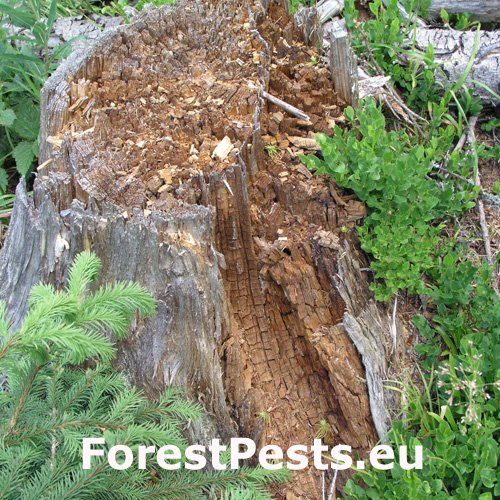
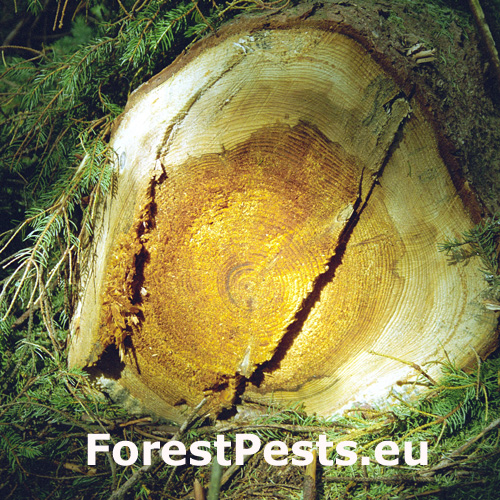
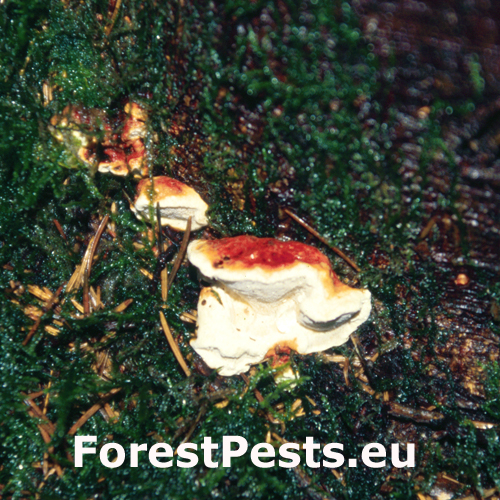
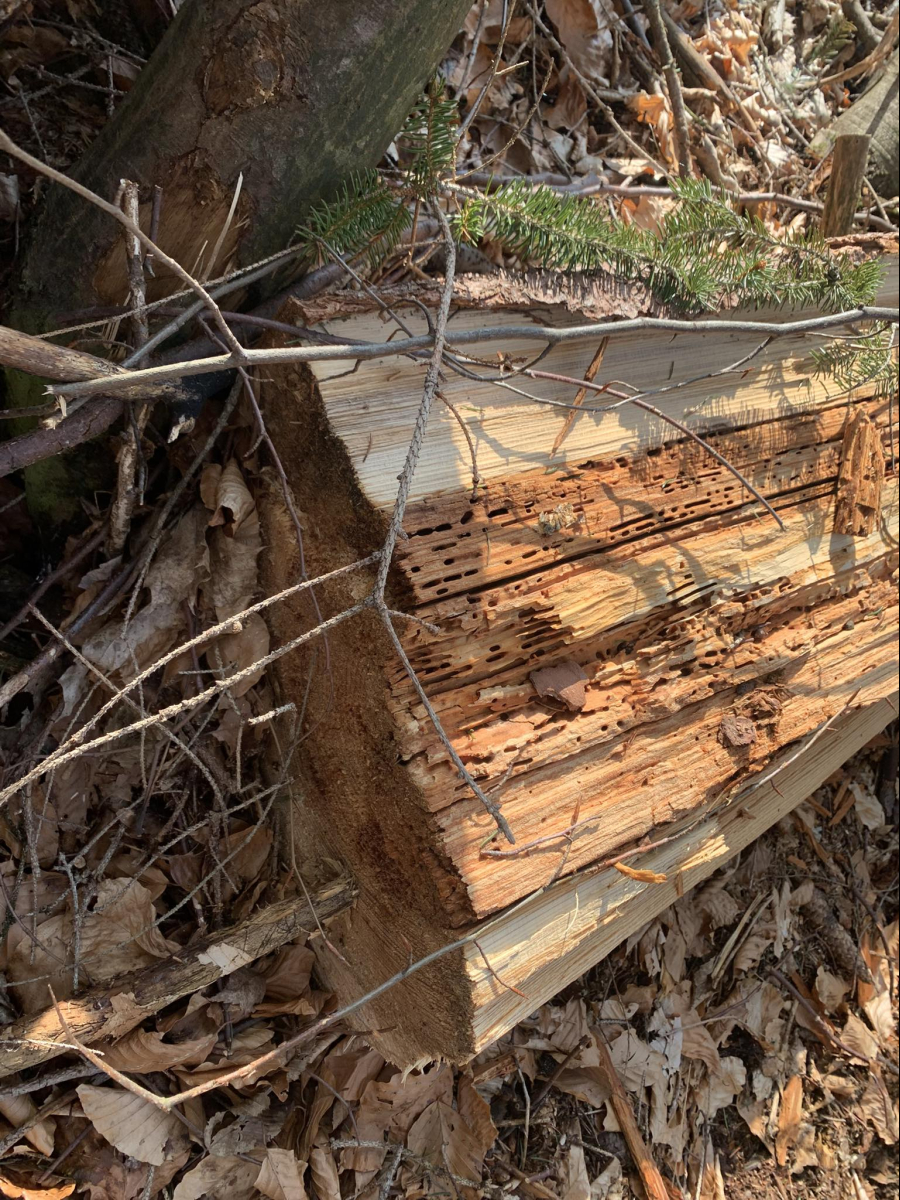
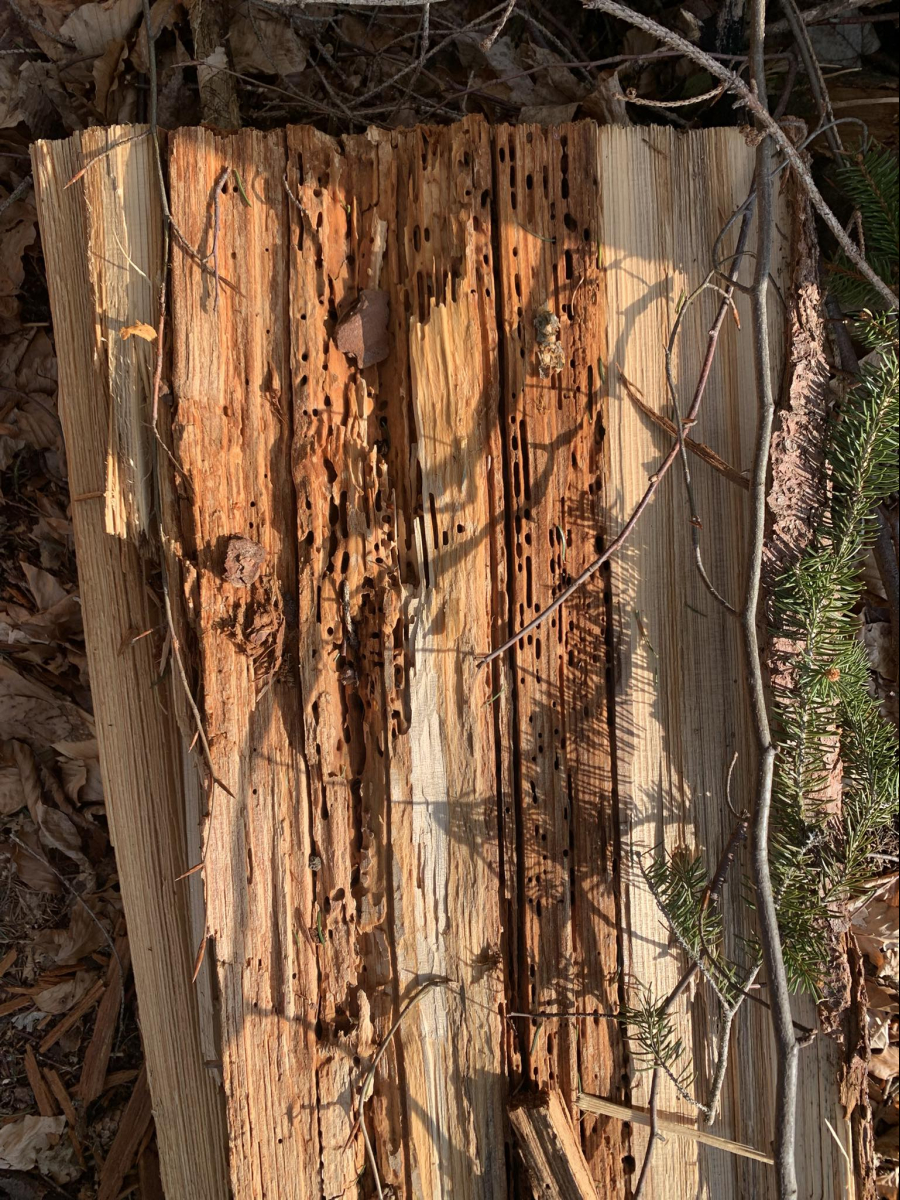
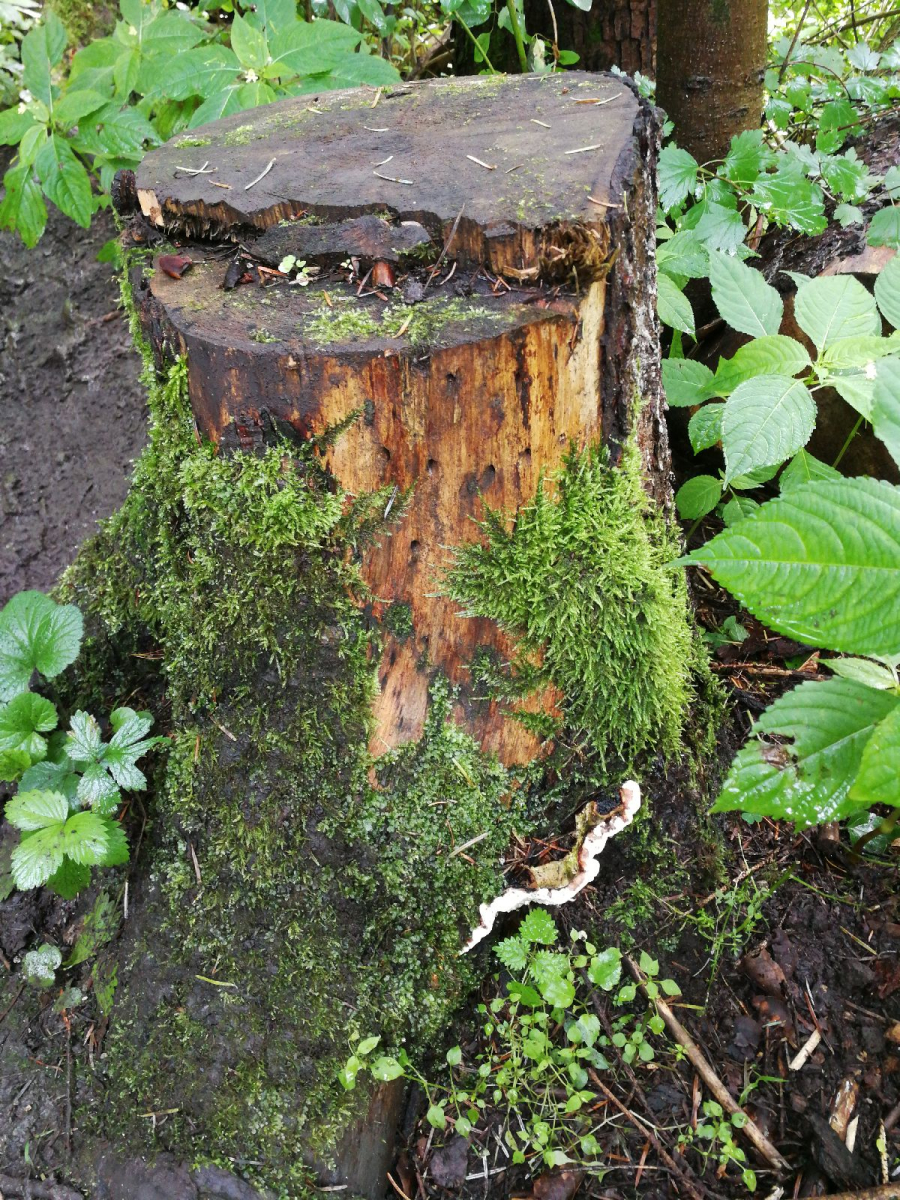
The fruiting bodies are annual or perennial and grow in summer and autumn on stumps and roots of living or dead trees. This fungus has two main methods of infection: 1. Trees can be infected by spores which are brought into wounds on roots and root swellings by air. The spores are also brought onto tree stumps which the fungus colonizes saprophytically. 2. Through the contact of healthy roots with infected ones, the mycelium overgrows directly from the infected to healthy roots. This fungus is one of the most dangerous pathogens in Europe, with a range of distribution from lowlands to mountain areas. The decaying heartwood is discoloured reddish-brown, decomposes in angular chunks and in later stages develops white mycelium pouches.
Symptom
The fruiting bodies are of irregular shape, laterally attached or resupinate.
Tree Species: Pine, Fir, Spruce
Part of a plant- attacked: Tree trunk
Pest significance: Very harmful
Pest Category: Fungi
Invasive Species: No
Present in EU: Yes
Add comment: Heterobasidion annosum
Location map: Heterobasidion annosum
print viewLegend:

Expert verified points

Unverified points
Observed by users on these tree species
Most sightings of the species


Last observations
There are a total of 2 observations of the species in the system

Heterobasidion annosum Annosum root rot
Lucia Babjaková
Number of votes: 0
Published: 31.3.2025

Heterobasidion annosum Annosum root rot
ak73
Number of votes: 0
Published: 4.8.2021

Heterobasidion annosum Annosum root rot
ak73
Number of votes: 0
Published: 4.8.2021
Similar damage

Armillaria root rot

Dark honey fungus

Carbon cushion


