






 Show all photos in album
Insert for comparison
We will identify your pest
Add pictures of this species
Show all photos in album
Insert for comparison
We will identify your pest
Add pictures of this species
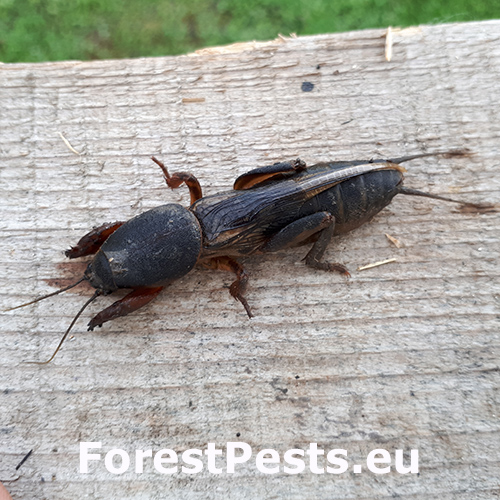
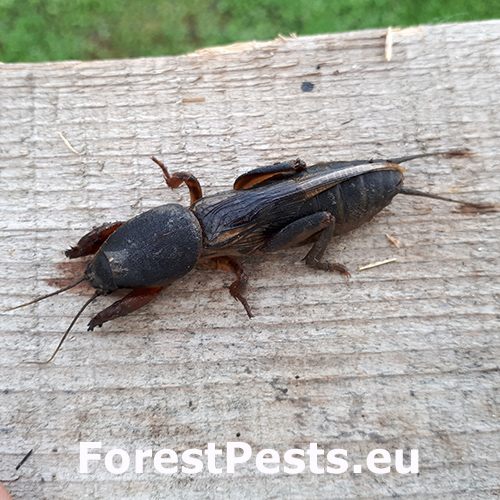
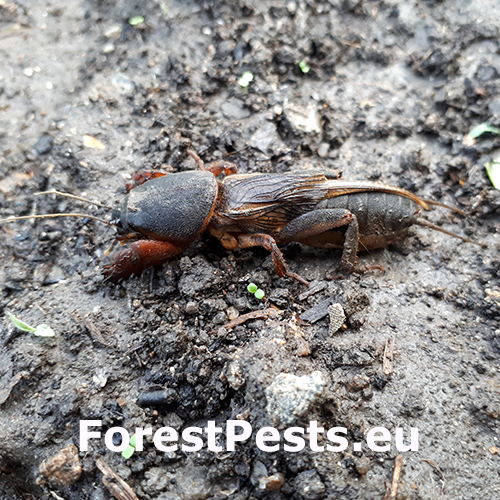
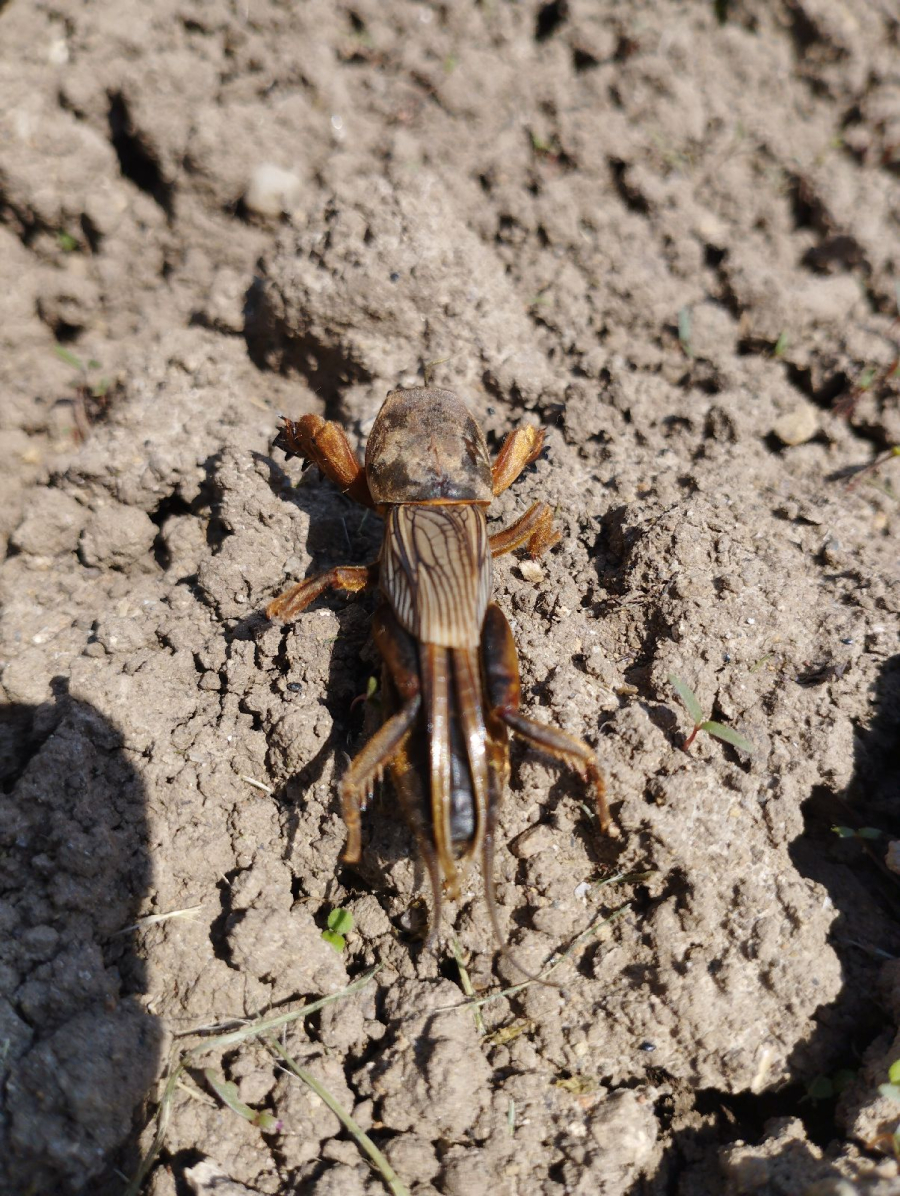
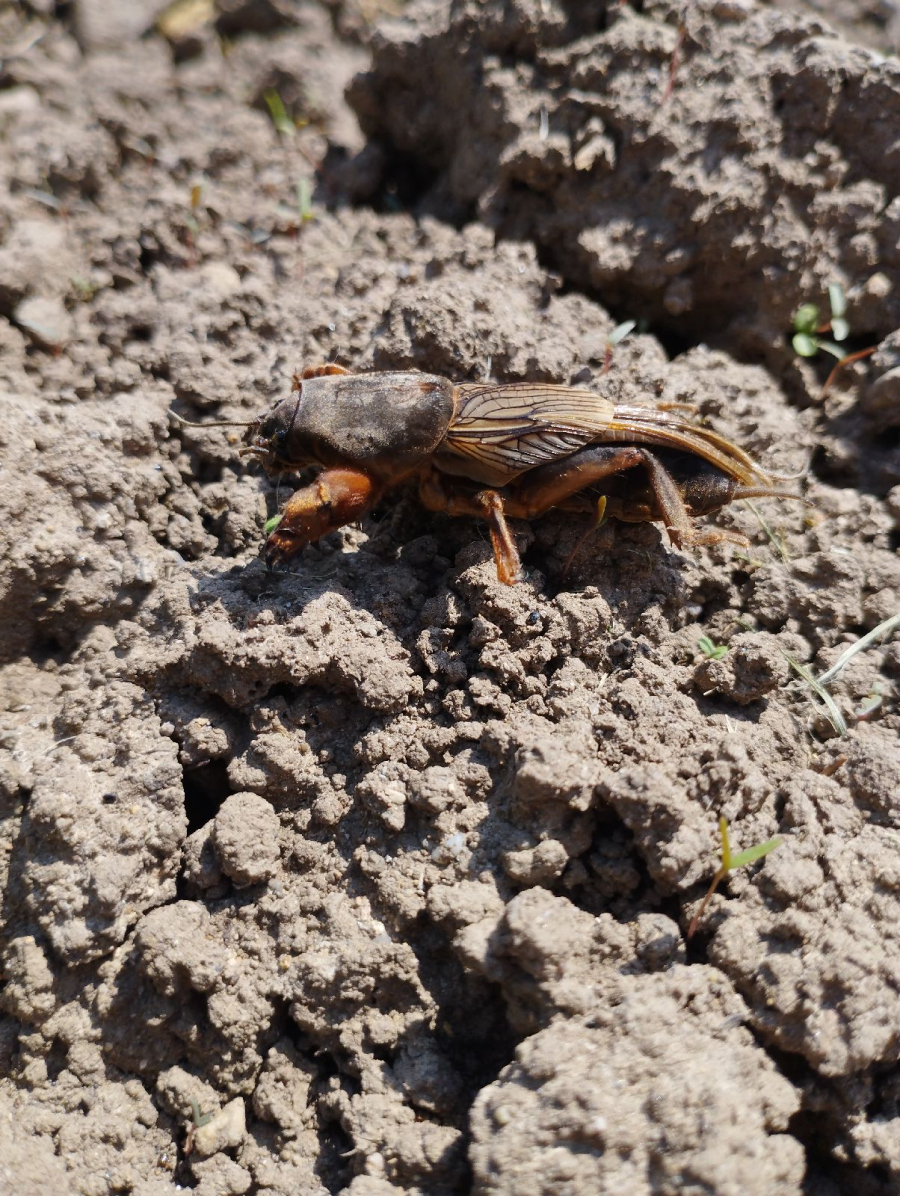
Gryllotalpa gryllotalpa
Mole cricket
Description
The mole cricket Gryllotalpa gryllotalpa is an insect belonging to the family Gryllotalpidae, known for its subterranean lifestyle and burrowing behavior. While they primarily inhabit grasslands and agricultural fields, mole crickets can also cause damage to forest seedlings. Mole crickets can be destructive to forest seedlings by tunneling through the soil and feeding on the roots and stems. Their burrowing activity can dislodge or damage young roots, leading to stunted growth or even death of the seedlings. The feeding activity of mole crickets can weaken the plants, making them more susceptible to other stressors, diseases, and environmental conditions. The life cycle duration of mole crickets can vary depending on environmental conditions. In general, it takes 2 years for mole crickets to complete their life cycle from eggs to adults. Adults occurs from May to July. Sometimes even later in the season.
Symptom
Damaged roots. Missing even main and thick roots.
Tree Species: Beech, Oak, Different tree species, Poplar, Willow
Part of a plant- attacked: Roots
Pest significance: Very harmful
Pest Category: Insects
Invasive Species: No
Present in EU: Yes
Add comment: Gryllotalpa gryllotalpa
Location map: Gryllotalpa gryllotalpa
print viewLegend:

Expert verified points

Unverified points
Observed by users on these tree species
Most sightings of the species

Last observations
There are a total of 1 observations of the species in the system

Gryllotalpa gryllotalpa Mole cricket
Jakub Repiský
Number of votes: 0
Published: 22.5.2023

Gryllotalpa gryllotalpa Mole cricket
Jakub Repiský
Number of votes: 0
Published: 22.5.2023

Gryllotalpa gryllotalpa Mole cricket
Jakub Repiský
Number of votes: 0
Published: 22.5.2023

Gryllotalpa gryllotalpa Mole cricket
Jakub Repiský
Number of votes: 0
Published: 22.5.2023
Similar damage

Stag beetle

Forest cockchafer

Greater horntail wasp

