




 Show all photos in album
Insert for comparison
We will identify your pest
Add pictures of this species
Show all photos in album
Insert for comparison
We will identify your pest
Add pictures of this species
Forda formicaria
Grass-root aphid
Description
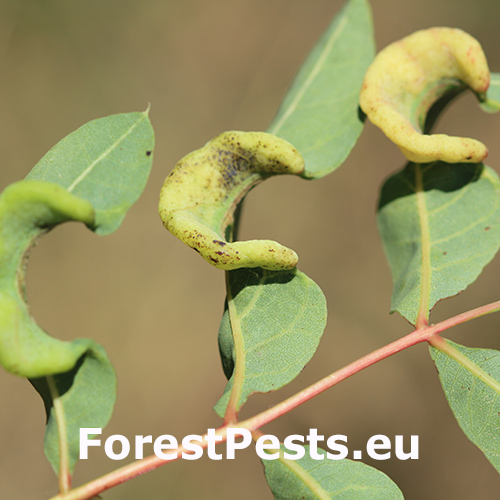
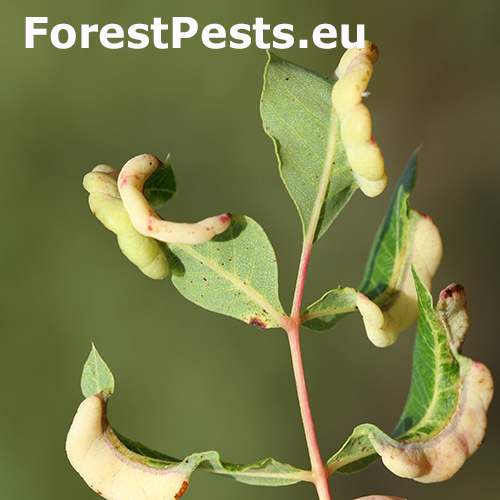
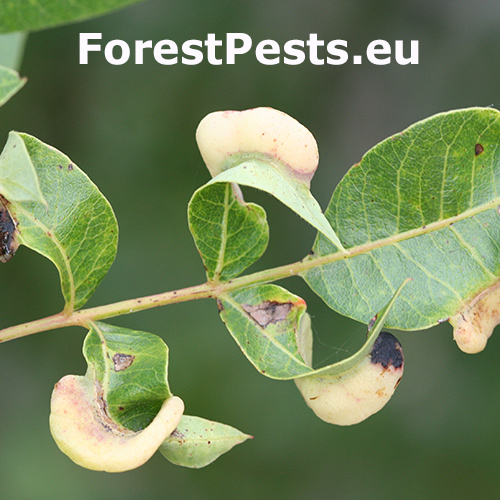
Forda formicaria (Linnaeus, 1767), commonly known as the grass-root aphid, primarily infests Pistacia species, with a preference for Pistacia terebinthus. The aphid forms distinctive half-moon-shaped galls on the leaves of its primary host. These galls range in color from green to red and are inhabited by fundatrix and its offspring. In late autumn, the alates (winged forms) leave the galls and migrate to the secondary host, typically grass roots (Poaceae), where they establish colonies. In these colonies, Forda formicaria reproduces parthenogenetically through winter. In Mediterranean regions and southwestern Asia, the species follows this host-alternation cycle. However, in other parts of Europe, Asia, and North America, it may complete its life cycle on grass roots without returning to Pistacia. This aphid is often found in association with ants, which tend to the colonies and may even reside within ant nests.
Symptom
Symptoms of Forda formicaria infestations include half-moon-shaped galls on Pistacia leaves and discoloration or stunting of grass roots where colonies form.
Tree Species: Pistacia
Part of a plant- attacked: Leaf / Needle
Pest significance: Less harmful
Pest Category: Insects
Invasive Species: No
Present in EU: Yes
Add comment: Forda formicaria
Location map: Forda formicaria
Legend:

Expert verified points

Unverified points
Observed by users on these tree species
Similar damage

Short-haired pistachio-grass aphid

Birch blister aphid

Mealy grass root aphid


