




 Show all photos in album
Insert for comparison
We will identify your pest
Add pictures of this species
Show all photos in album
Insert for comparison
We will identify your pest
Add pictures of this species
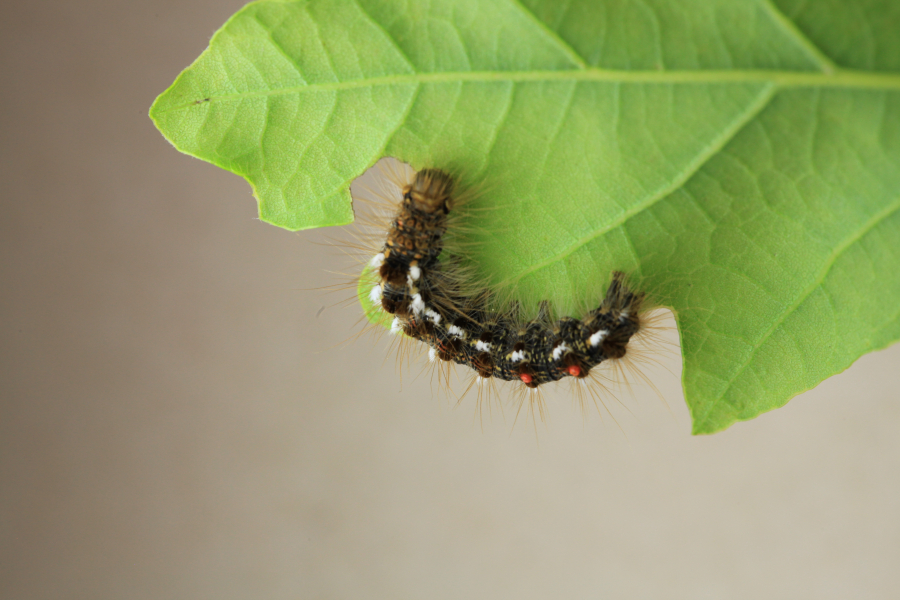
Euproctis chrysorrhoea
Browntail moth
Description
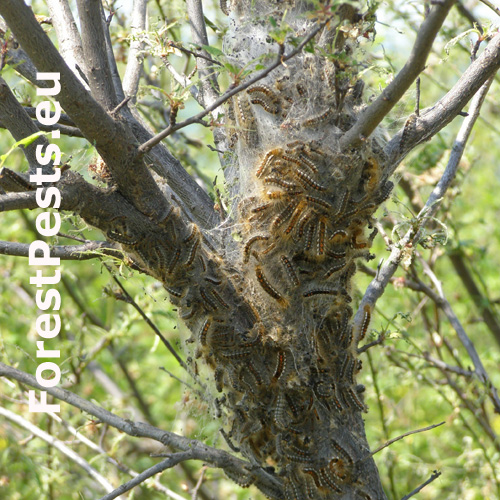
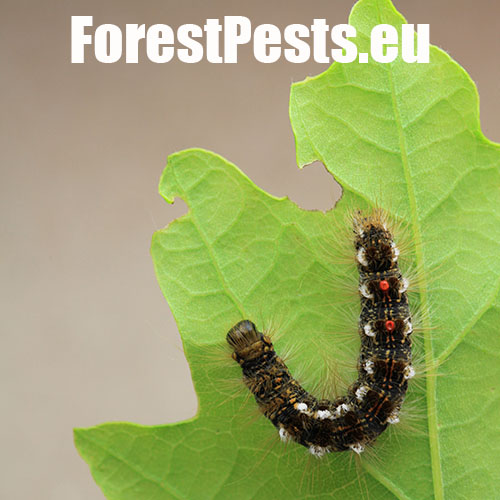
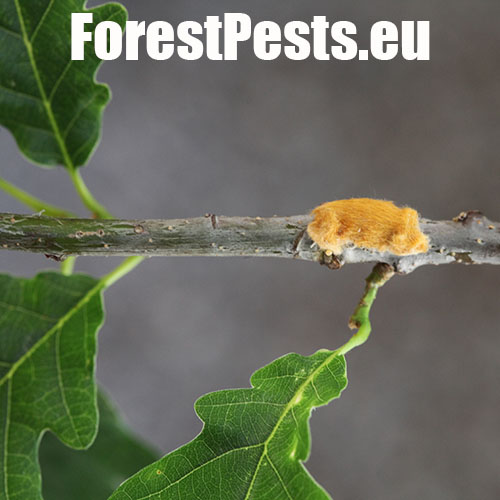
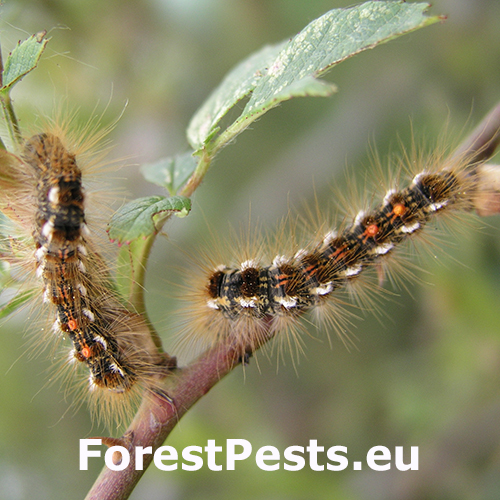
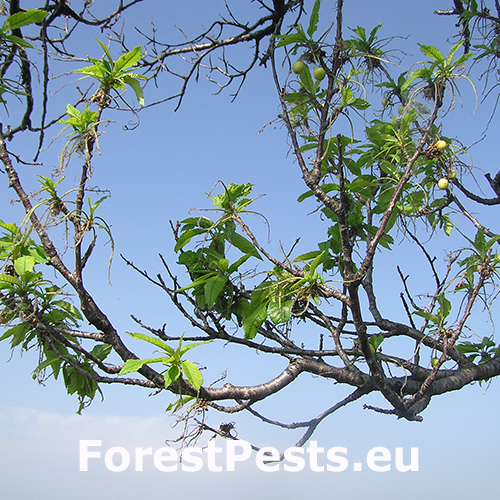
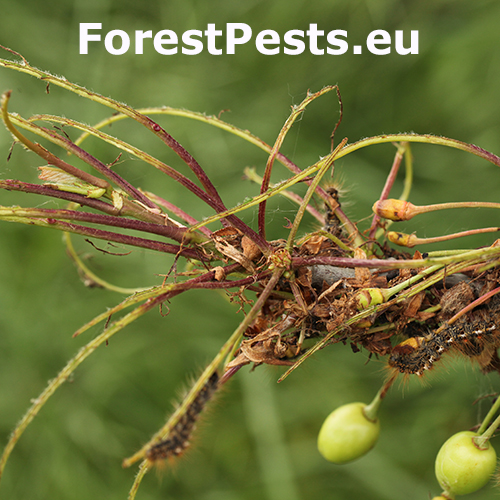
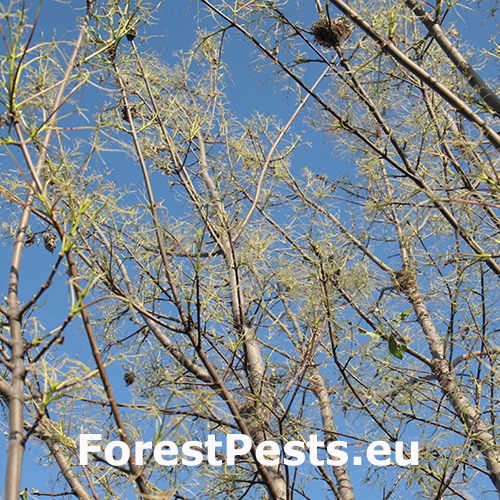
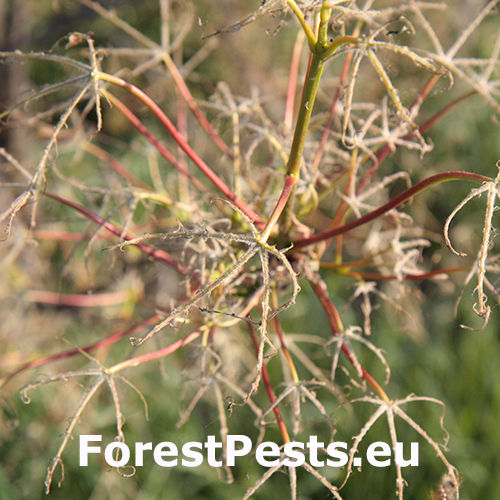
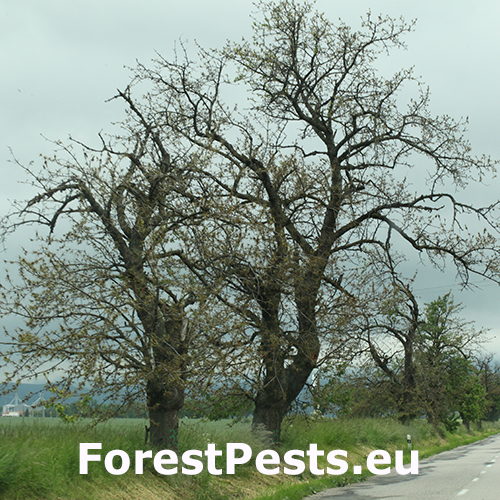
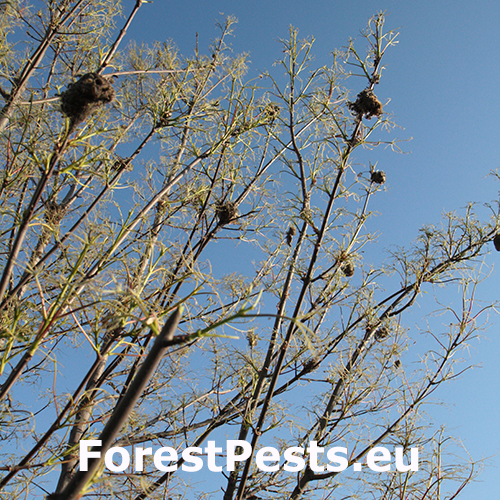
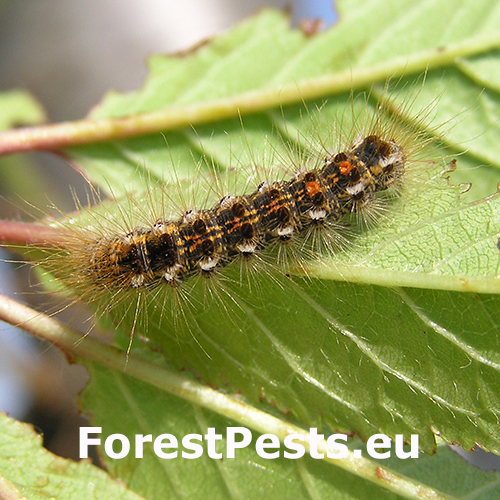
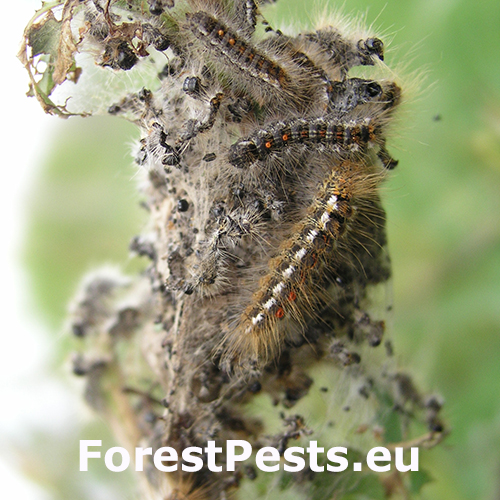
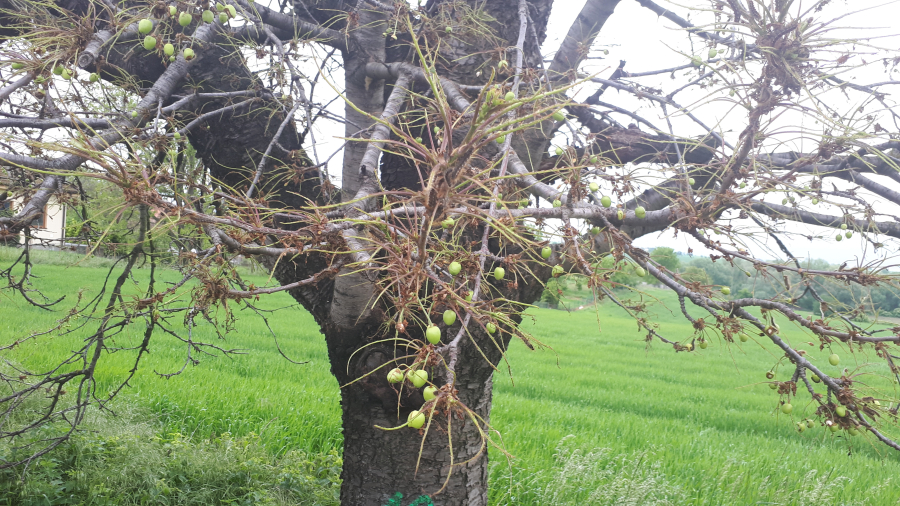
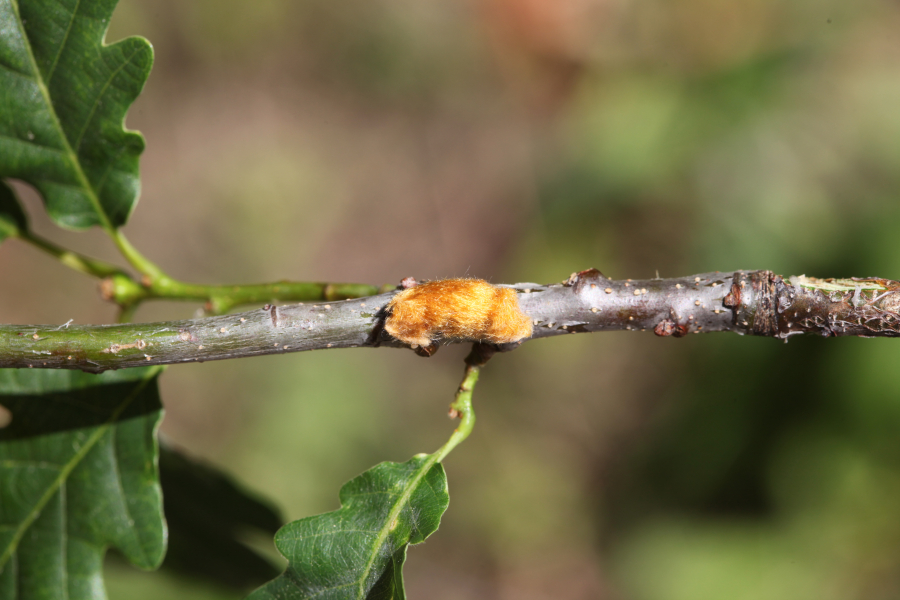
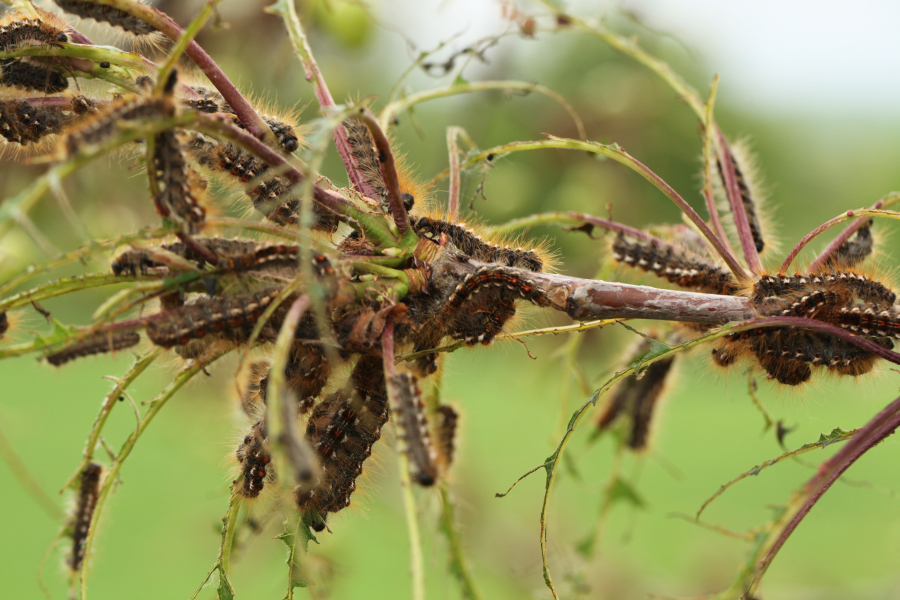
The wings of this species are pure white. The female lays 100-200 eggs at the end of summer. From the eggs hatch larvae which spin web nests from leaves in which they overwinter. In spring, they proceed with feeding. At first they feed together, later they crawl apart and feed singly. They often use the leaf nest where they hide together. They cause often completely defoliation of infested trees. In case of their outbreak, the larvae often gather at one place in the tree crown. They pupate on the bark of the tree. The moth is common especially in fruit tree alleys, gardens and forest edges.
Symptom
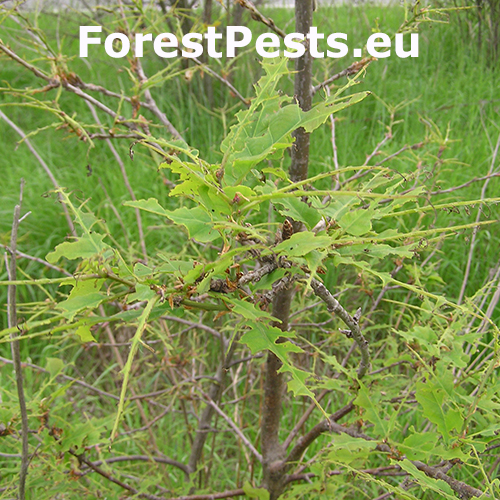
At first larvae feed together, later they crawl apart and feed solitary. They often use the leaf nest where they hide together. They cause complete defoliation.
Tree Species: Cherry, Oak, Apple Tree, Maple, Plum, Blackthorn
Part of a plant- attacked: Leaf / Needle
Pest significance: Harmful
Pest Category: Insects
Invasive Species: No
Present in EU: Yes
Add comment: Euproctis chrysorrhoea
Location map: Euproctis chrysorrhoea
print viewLegend:

Expert verified points

Unverified points
Observed by users on these tree species
Most sightings of the species


Last observations
There are a total of 5 observations of the species in the system

Euproctis chrysorrhoeaBrowntail moth
Milan Zúbrik
Number of votes: 0
Published: 6.8.2025

Euproctis chrysorrhoeaBrowntail moth
Milan Zúbrik
Number of votes: 0
Published: 6.8.2025

Euproctis chrysorrhoeaBrowntail moth
Milan Zúbrik
Number of votes: 0
Published: 6.8.2025

Euproctis chrysorrhoeaBrowntail moth
Milan Zúbrik
Number of votes: 0
Published: 6.8.2025
Similar damage

Yellow-tail moth

Gypsy moth

Oak processionary moth


