




 Show all photos in album
Insert for comparison
We will identify your pest
Add pictures of this species
Show all photos in album
Insert for comparison
We will identify your pest
Add pictures of this species
Euceraphis betulae
Silver birch aphid
Description
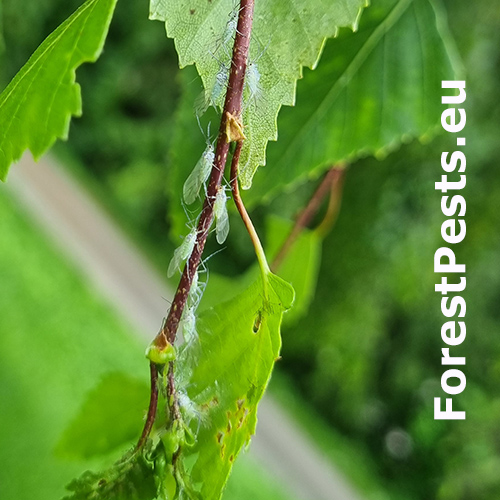
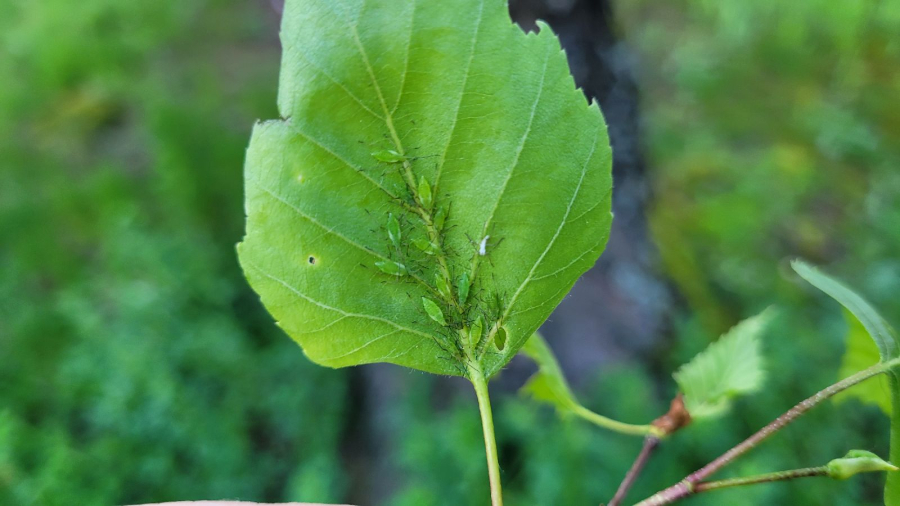
Silver birch aphid Euceraphis betulae is an aphid species that feeds on the silver birch (Betula pendula), where it sucks sap from buds and leaves. It has a light green body with a bluish tinge, covered in fine wax particles, giving it a characteristic dusty appearance. The species overwinters as eggs on birch twigs, which hatch in spring. The first generation consists of winged females that reproduce parthenogenetically, leading to a rapid population increase. By mid-summer, reproduction ceases, and aphid numbers decline. In autumn, a new reproductive phase occurs, leading to the emergence of winged males and egg-laying females, which lay eggs that overwinter.
This species is widespread across Europe, occurring wherever its host tree, the silver birch, is present. It has also been introduced to North America and Australia. High population densities can lead to yellowing of leaves and the production of large amounts of honeydew, which may promote the growth of sooty mold, reducing the ornamental value of trees.
Symptom
On affected birch leaves, aphids are found on the underside, often in large groups. Their feeding causes leaf yellowing, and an abundant honeydew coating leads to the development of black sooty mold on leaves and branches.
Tree Species: Birch
Part of a plant- attacked: Leaf / Needle
Pest significance: Less harmful
Pest Category: Insects
Invasive Species: No
Present in EU: Yes
Add comment: Euceraphis betulae
Location map: Euceraphis betulae
print viewLegend:

Expert verified points

Unverified points
Observed by users on these tree species
Most sightings of the species

Last observations
There are a total of 1 observations of the species in the system

Euceraphis betulaeSilver birch aphid
rado
Number of votes: 0
Published: 23.4.2024
Similar damage

Black cherry aphid

Gooseberry aphid

elm balloon-gall aphid

