



 Show all photos in album
Insert for comparison
We will identify your pest
Add pictures of this species
Show all photos in album
Insert for comparison
We will identify your pest
Add pictures of this species
Chondrostereum purpureum
Silver leaf
Description
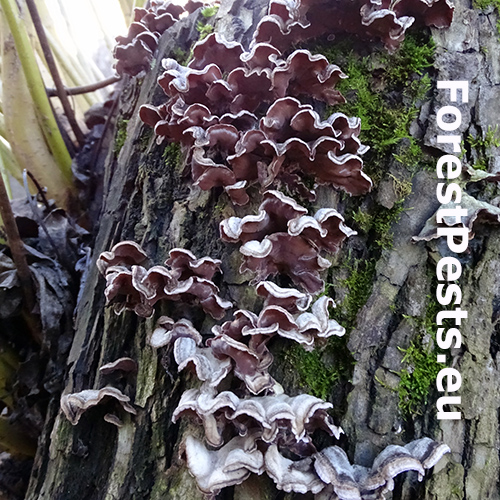
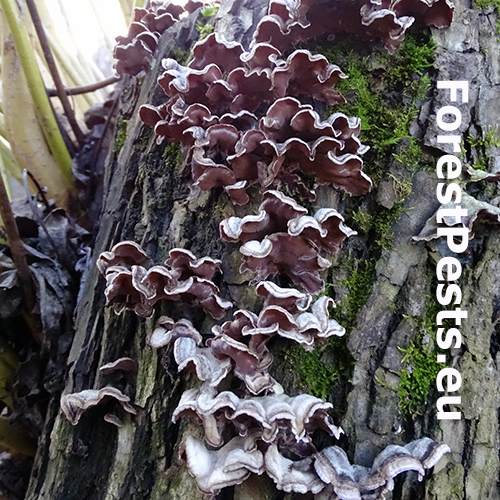
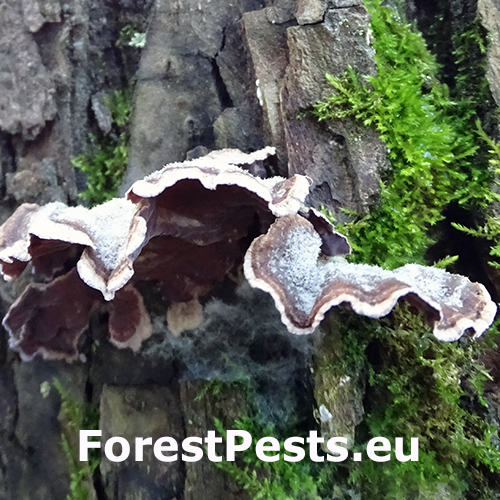
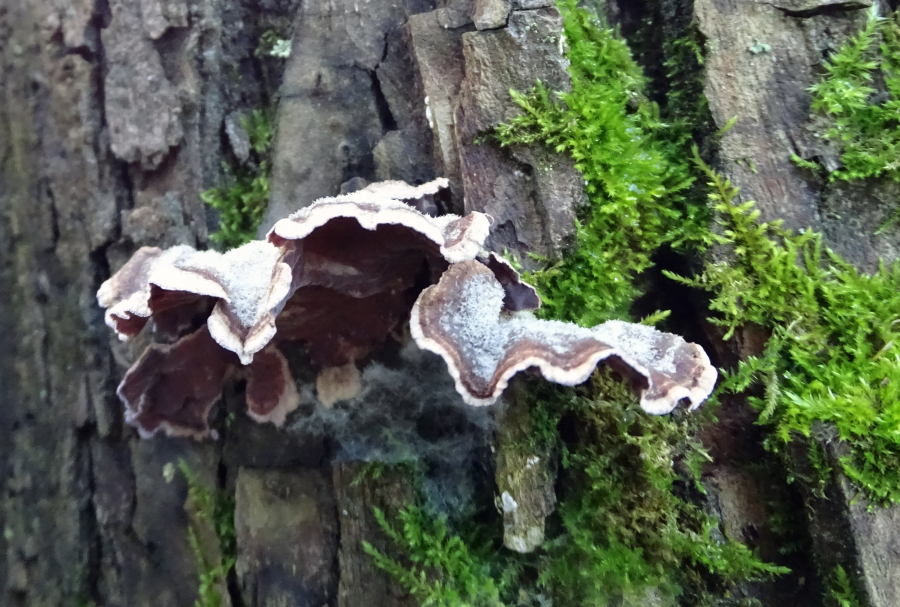
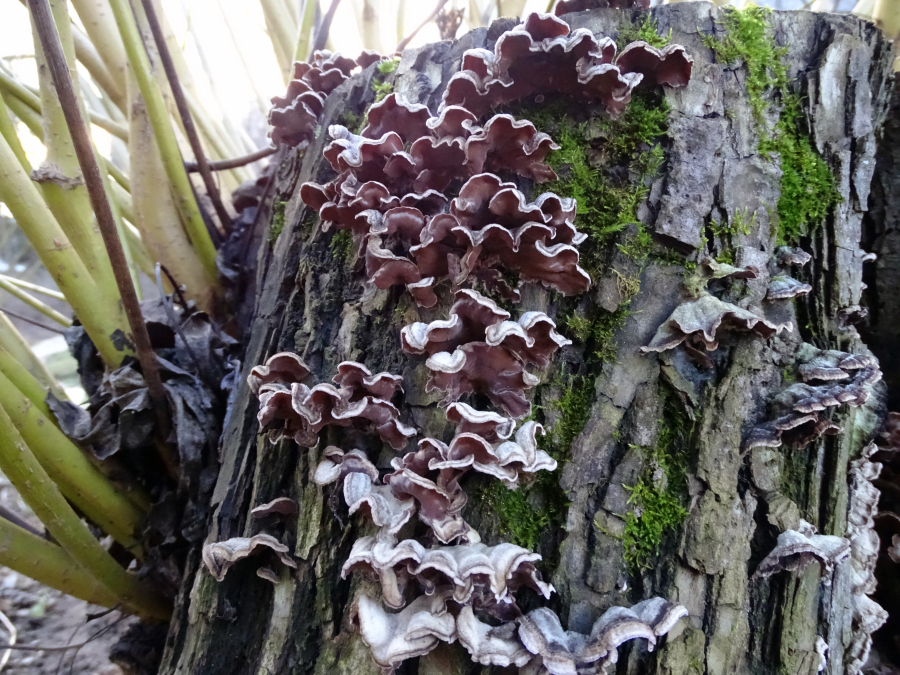
Chondrostereum purpureum is a pathogenic fungus affecting a wide range of deciduous trees and shrubs. It primarily infects trees through wounds, where it colonizes the vascular system, disrupting the flow of water and nutrients. The fungus produces characteristic purple fruiting bodies on dead or dying wood. It is most prevalent in Europe but occurs in temperate regions worldwide. The infection leads to leaf discoloration, wood decay, and a general decline in tree health, reducing both the vitality and aesthetic value of affected trees. Fruit trees, particularly those in the Rosaceae family, such as apple (Malus domestica), cherry (Prunus spp.), and plum (Prunus domestica), are highly susceptible. The fungus also affects poplars, willows, and various ornamental and forest trees. Severely infected trees may suffer branch dieback, structural weakening, and, in extreme cases, tree mortality.
Symptom
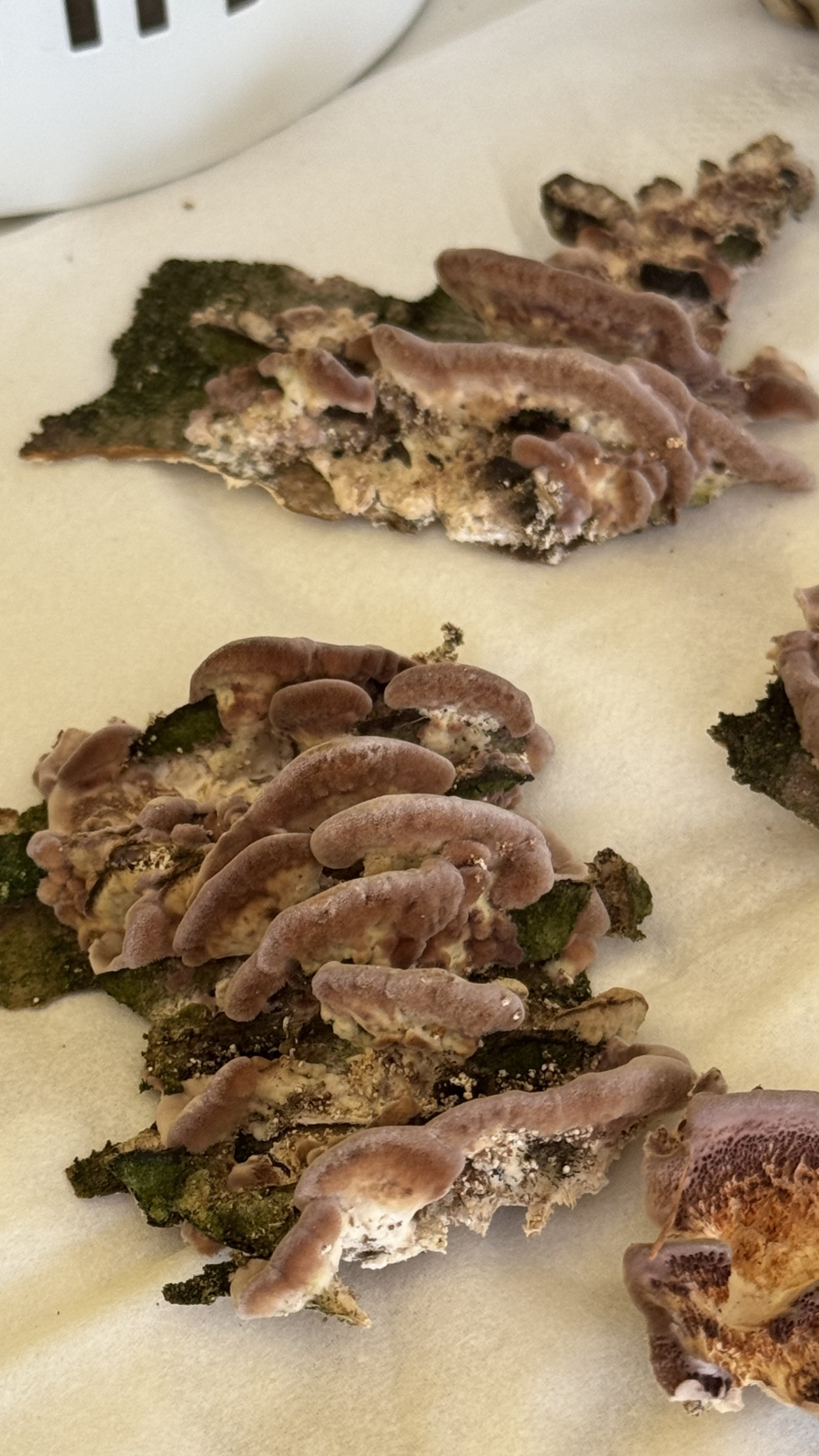
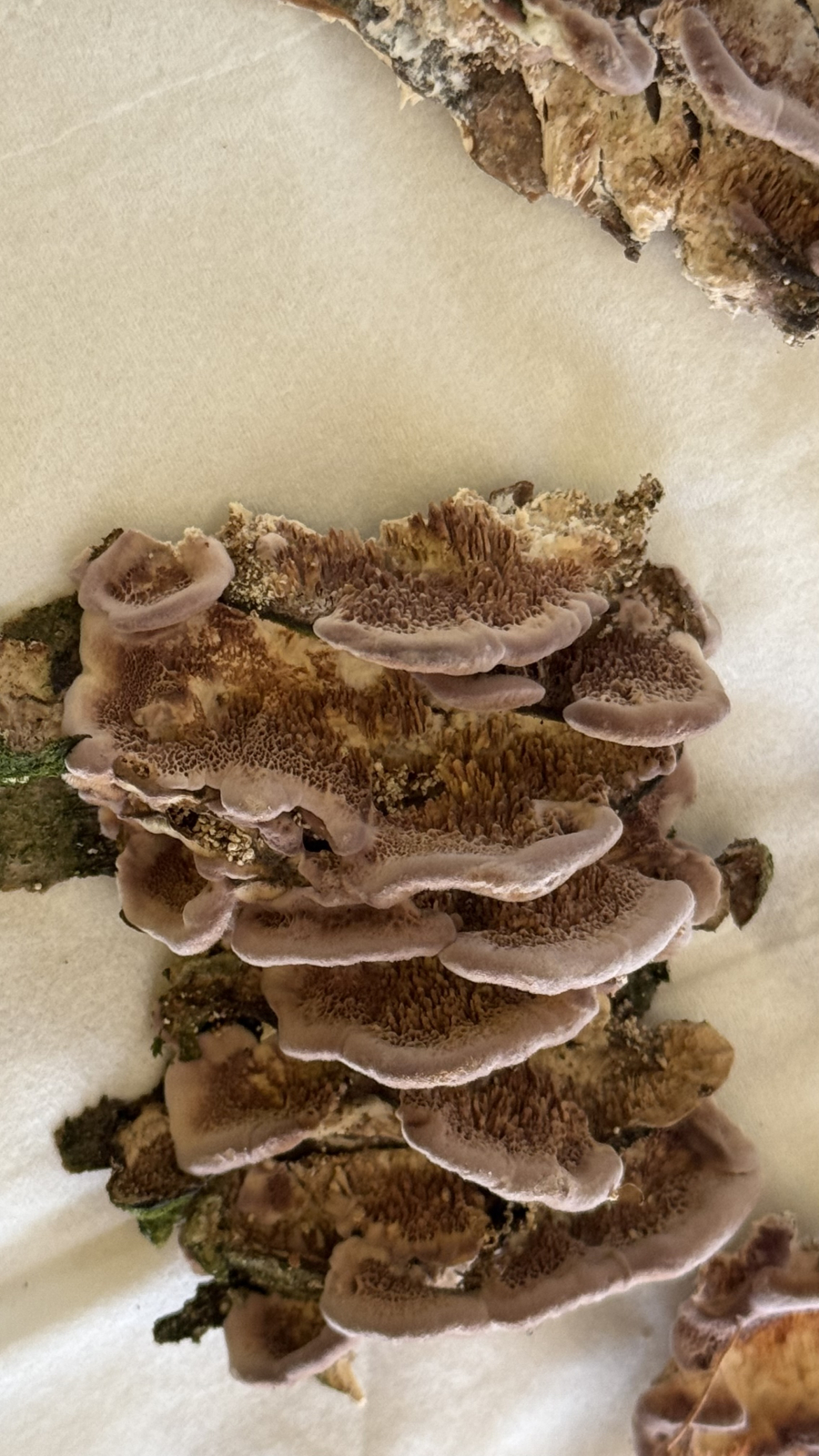
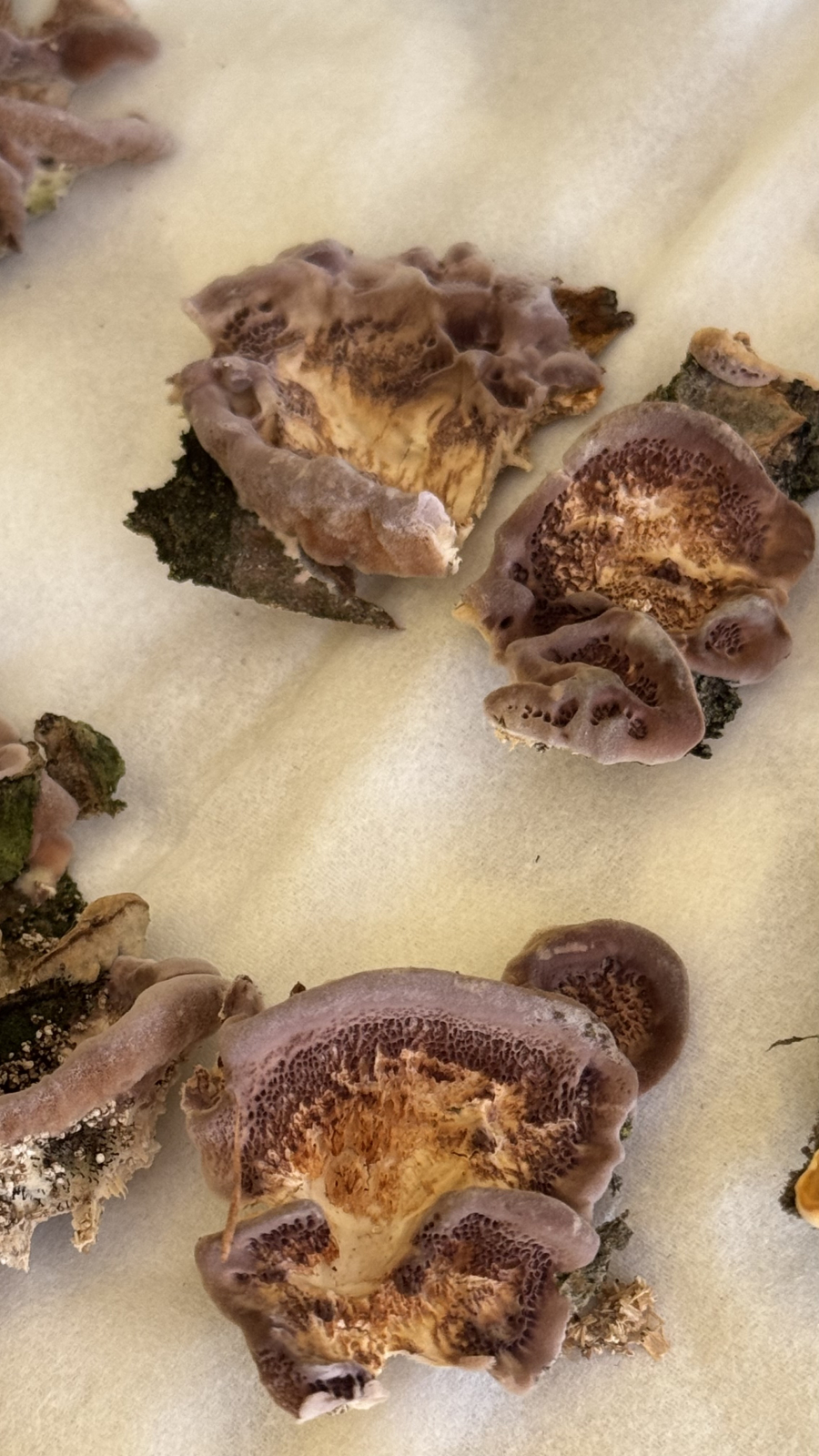
Leaves of infected trees develop a silvery sheen due to the destruction of epidermal cells. Affected branches exhibit progressive dieback, and fruiting bodies appear as violet to purple, leathery crusts on dead wood. Wood decay progresses from the infection site.
Tree Species: Elm, Birch, Oak, Chestnut, Pear, Apple Tree, Rowan, Whitebeam, Ash, Alder, Hazel, Lime, Walnut, Poplar
Part of a plant- attacked: Tree trunk, Leaf / Needle, Branch
Pest significance: Harmful
Pest Category: Insects
Invasive Species: No
Present in EU: Yes
Add comment: Chondrostereum purpureum
Location map: Chondrostereum purpureum
print viewLegend:

Expert verified points

Unverified points
Observed by users on these tree species
Most sightings of the species

Last observations
There are a total of 2 observations of the species in the system

Chondrostereum purpureumSilver leaf
ooo
Number of votes: 0
Published: 7.1.2026

Chondrostereum purpureumSilver leaf
Peter Cheben
Number of votes: 0
Published: 1.9.2023
Similar damage

False Turkey tail

Bleeding broadleaf crust

Bleeding conifer crust

