





 Show all photos in album
Insert for comparison
We will identify your pest
Add pictures of this species
Show all photos in album
Insert for comparison
We will identify your pest
Add pictures of this species
Aphis viburni
Viburnum aphid
Description
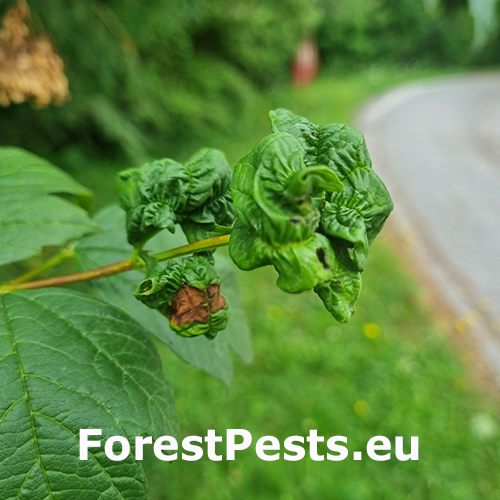
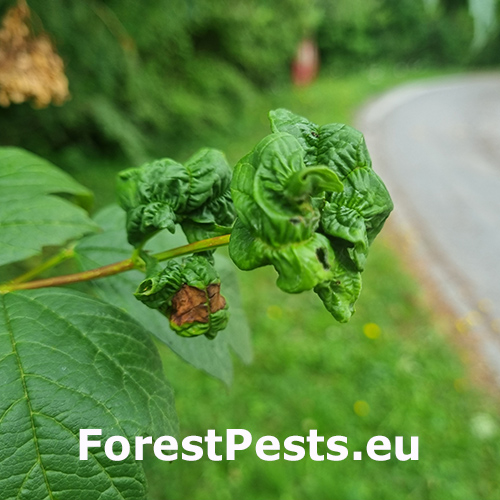
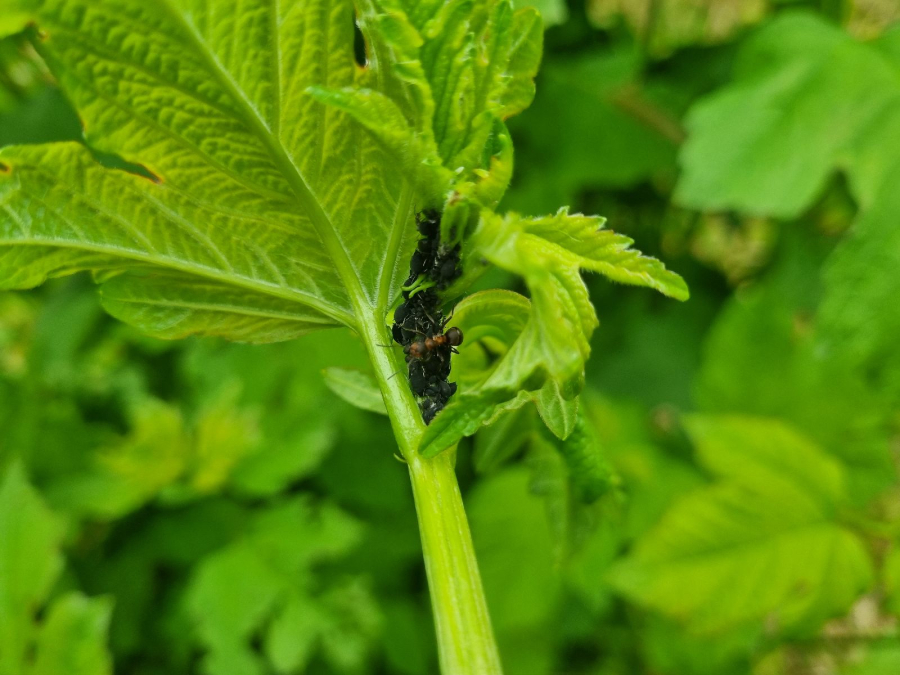
Aphis viburni, commonly known as the viburnum aphid, primarily infests Viburnum plants, especially Viburnum opulus. These aphids are slate-colored, brownish-green, or dark brown, often with wax spots on the abdomen. They cause leaf curling and the formation of leaf galls, which provide shelter for both the aphids and attendant ants. Aphis viburni overwinters in the egg stage. The eggs are laid in autumn on the bark or buds of Viburnum and remain dormant through the winter. These eggs hatch in spring, giving rise to the first generation of aphids, which begin feeding on the emerging leaves. Aphids feed by sucking plant sap, which may lead to stunted growth. Ants often attend these aphids, protecting them from predators in exchange for honeydew. Aphis viburni does not switch hosts and remains on Viburnum year-round. The damage may affect the plant's ornamental value.
Symptom
The main symptom of Aphis viburni infestation is the formation of galls on the leaves of viburnum plants. These galls result from leaf curling caused by the aphids feeding on plant sap. Affected leaves become distorted, curled, and may display discoloration. In severe cases, the galls and leaf damage can lead to reduced plant vigor and stunted growth. Additionally, honeydew excreted by the aphids can attract sooty mold, further affecting the plant's appearance.
Tree Species: Guelder Rose
Part of a plant- attacked: Leaf / Needle
Pest significance: Less harmful
Pest Category: Insects
Invasive Species: No
Present in EU: Yes
Add comment: Aphis viburni
Location map: Aphis viburni
print viewLegend:

Expert verified points

Unverified points
Observed by users on these tree species
Most sightings of the species

Last observations
There are a total of 2 observations of the species in the system

Aphis viburniViburnum aphid
milan
Number of votes: 0
Published: 30.5.2025

Aphis viburniViburnum aphid
milan
Number of votes: 0
Published: 25.5.2025
Similar damage

Oleander aphid

Rose aphid

Barberry aphid


