




 Show all photos in album
Insert for comparison
We will identify your pest
Add pictures of this species
Show all photos in album
Insert for comparison
We will identify your pest
Add pictures of this species
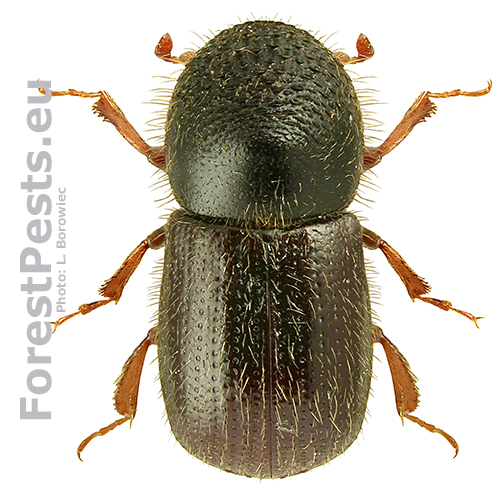
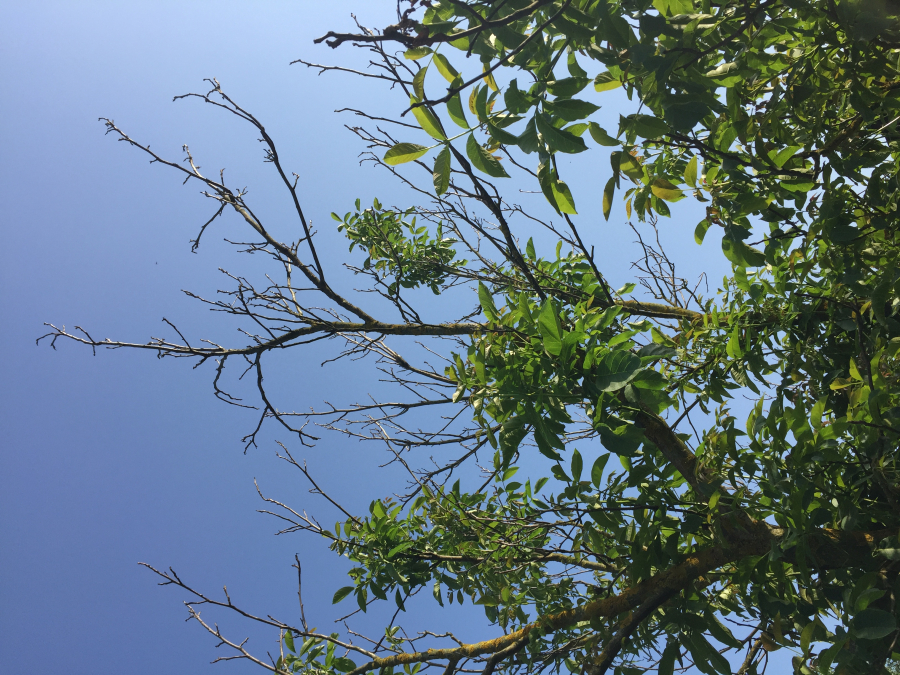
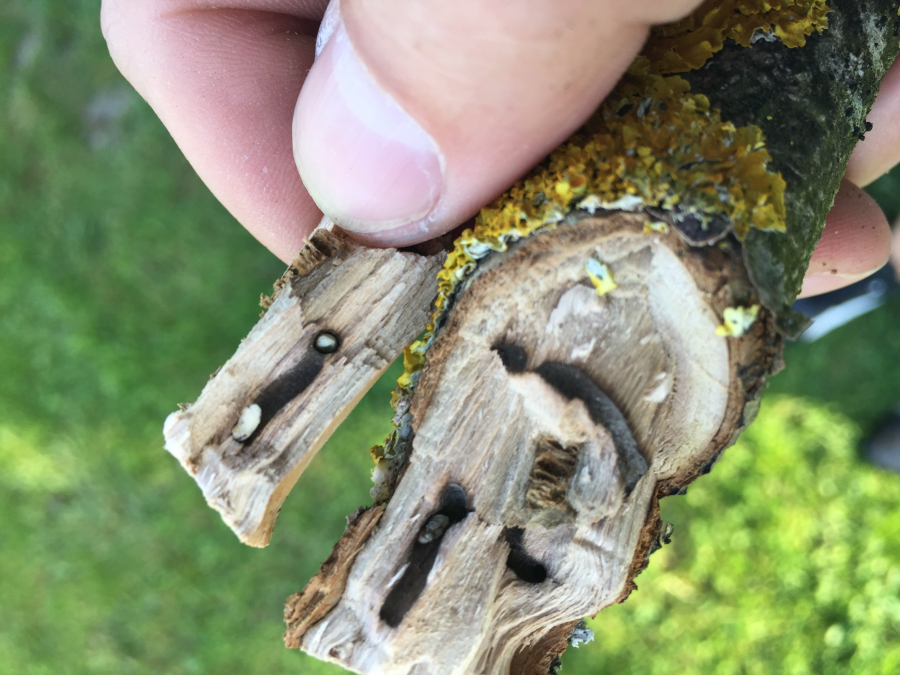
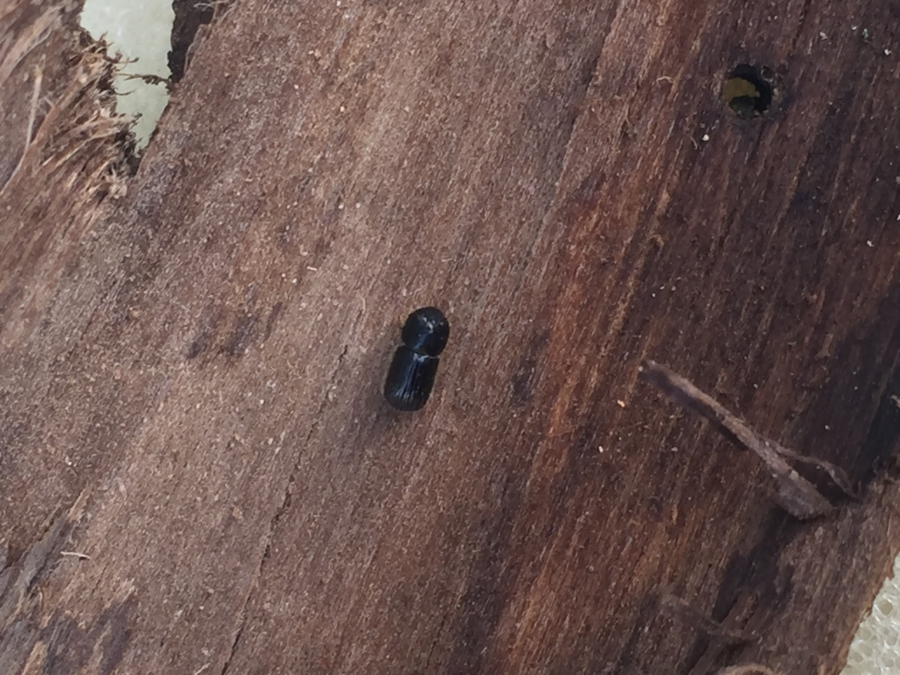
Anisandrus dispar
Shot-hole borer
Description
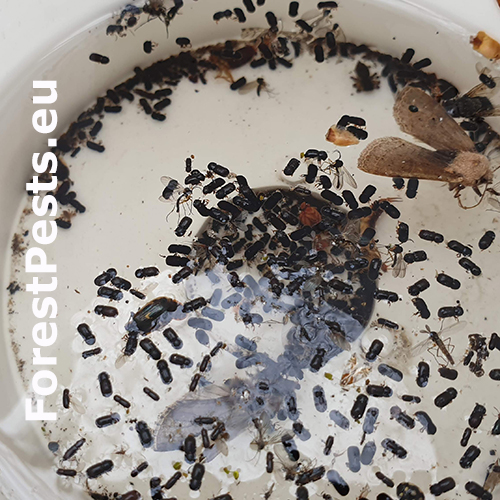
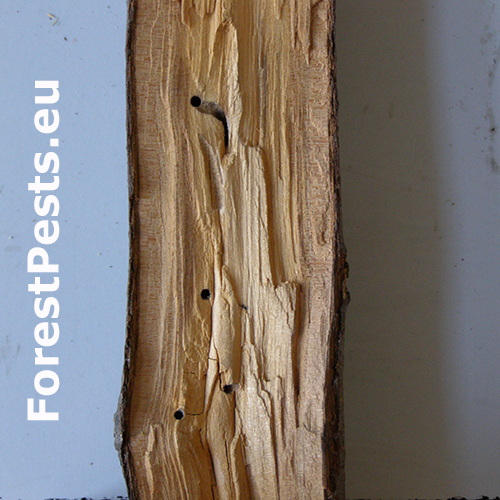
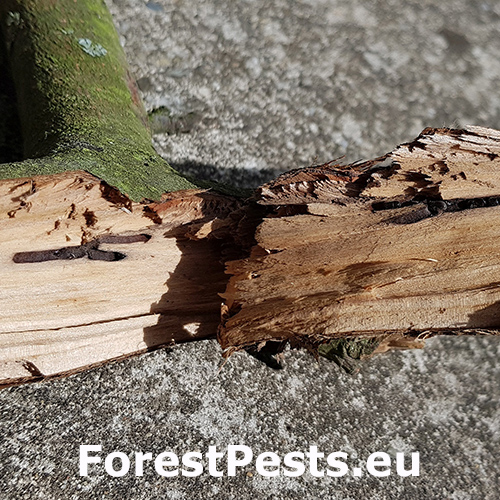
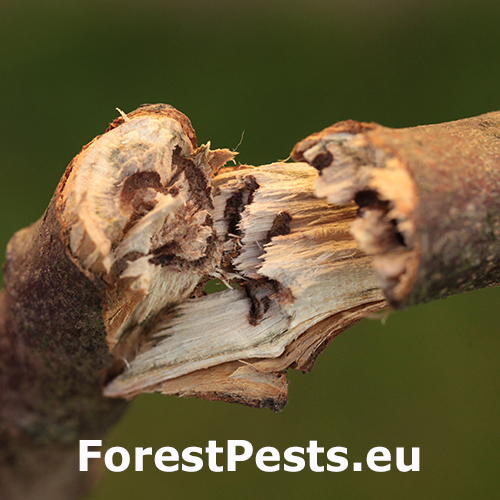
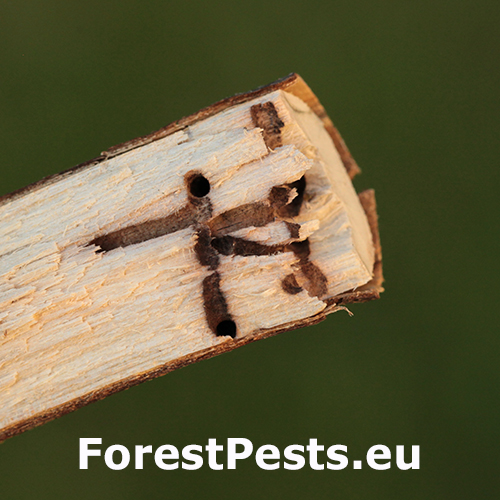
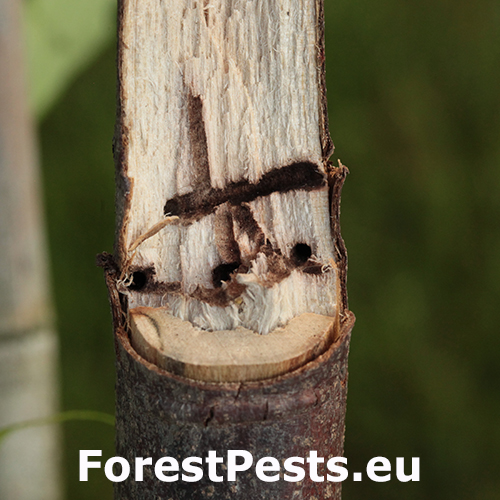
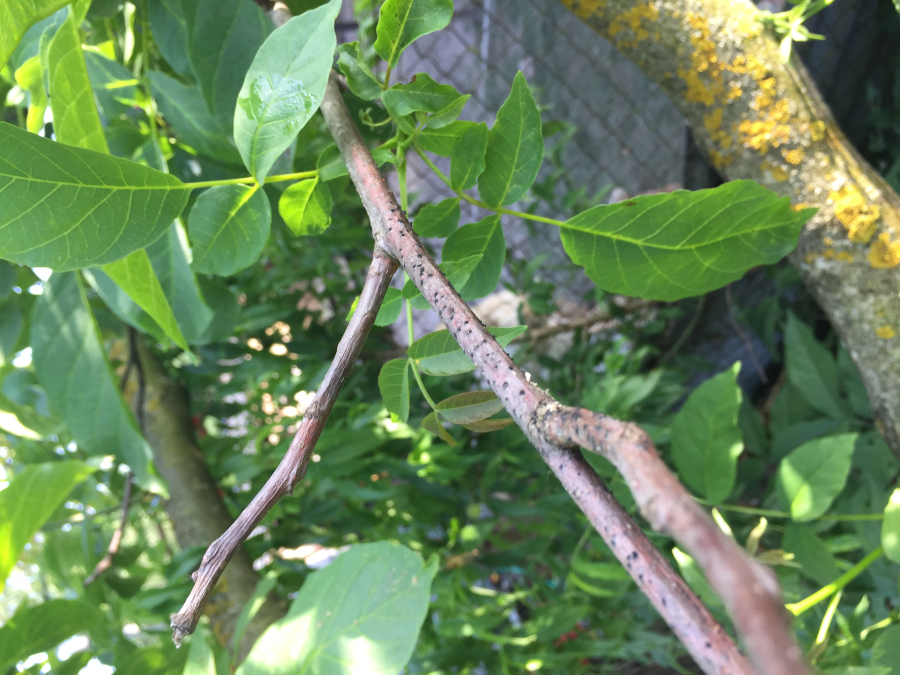
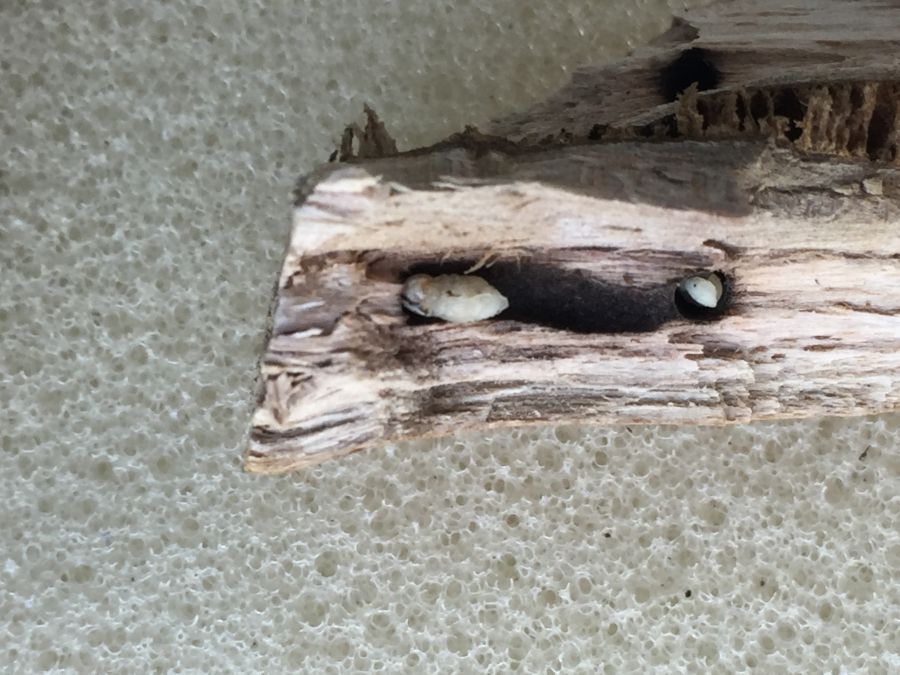
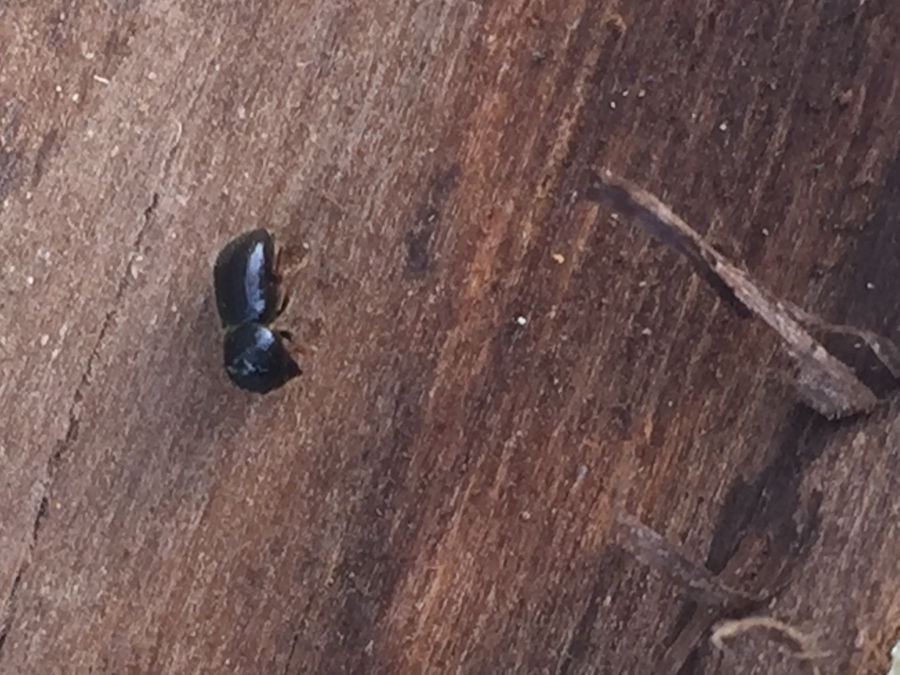
This beetle shows a distinct sexual dimorphism. The females have a cylindrical body 3–3.5 mm in length, while the males are plump and only 2 mm in size. They are so-called ambrosia beetles, i.e. the adults and larvae feed on fungi rather than on the wood itself. In spring, the females excavate short primary and secondary galleries and cultivate symbiotic fungi as a food source. Teneral females and males mate inside the breeding system and most remain there during winter. In April–May, the females emerge while the flightless males die off. They usually colonize recently died, old, weakened trees of any age. During the outbreak, healthy trees may also be attacked. The damage in terms of timber quality loss is minor because the breeding systems remain very shallow.
Symptom
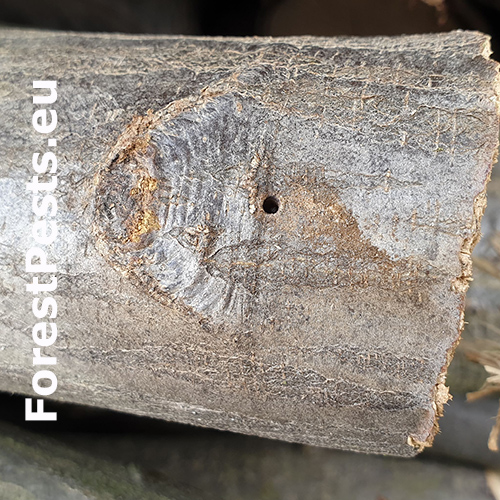
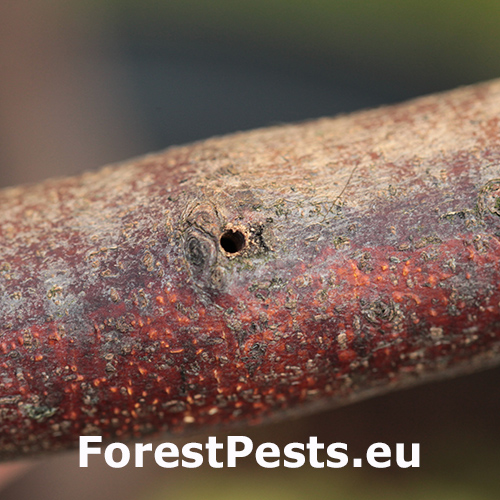
Short galleries in the wood.
Tree Species: Beech, Oak, Hornbeam, Pear, Apple Tree, Plum
Part of a plant- attacked: Tree trunk, Branch
Pest significance: Harmful
Pest Category: Insects
Invasive Species: No
Present in EU: Yes
Add comment: Anisandrus dispar
Location map: Anisandrus dispar
print viewLegend:

Expert verified points

Unverified points
Observed by users on these tree species
Most sightings of the species

Last observations
There are a total of 1 observations of the species in the system

Anisandrus disparShot-hole borer
Mirec
Number of votes: 0
Published: 13.6.2019

Anisandrus disparShot-hole borer
Mirec
Number of votes: 0
Published: 13.6.2019

Anisandrus disparShot-hole borer
Mirec
Number of votes: 0
Published: 13.6.2019

Anisandrus disparShot-hole borer
Mirec
Number of votes: 0
Published: 13.6.2019

Anisandrus disparShot-hole borer
Mirec
Number of votes: 0
Published: 13.6.2019
Similar damage

Black timber bark beetle

Large timberworm

European hardwood ambrosia beetle

