




 Show all photos in album
Insert for comparison
We will identify your pest
Add pictures of this species
Show all photos in album
Insert for comparison
We will identify your pest
Add pictures of this species
Aceria kuko
Goji berry gall mite
Description
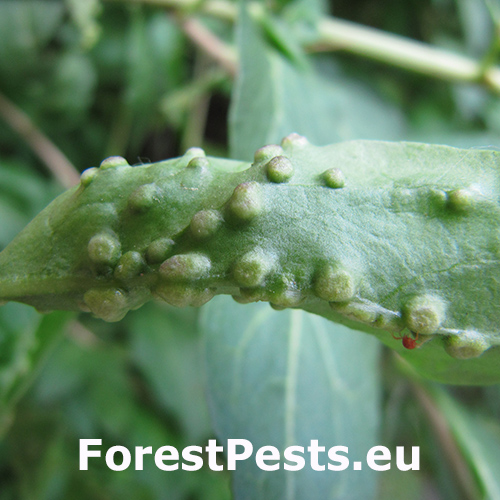
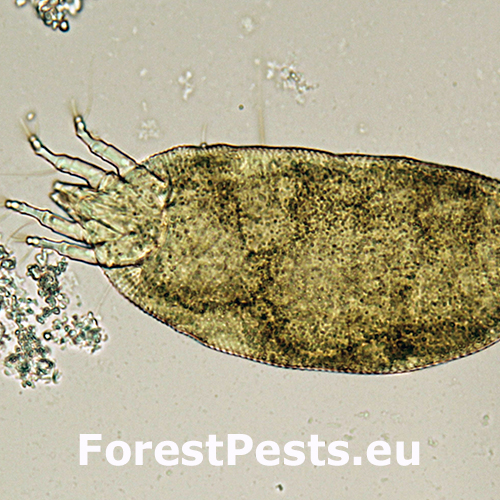
Aceria kuko, also known as the Goji berry gall mite, is a tiny eriophyid mite that infests primarily Lycium chinense (Chinese wolfberry) and Lycium barbarum (common goji), both valued for their berries. This mite, originally from Asia, has spread to several European countries, including the Czech Republic and Hungary, likely due to increased demand for goji plants. Aceria kuko feeds by sucking plant sap, causing the formation of small, rounded galls on leaves. Although infestations are generally low in economic impact, they can affect the aesthetic appearance of ornamental plants, especially in gardens and parks. The mite thrives in warm climates and can produce multiple overlapping generations each year. At high population densities, these gall mites can cause significant plant damage, leading to increased gall formation and visible distortion of affected areas. At high population densities, these gall mites can cause significant plant damage, which may lead to reduced yields.
Symptom
Galls appear as small, rounded swellings on leaves (possibly others non wooded parts). They may vary in color from green to reddish-brown and distort the affected areas, giving them an irregular, unsightly appearance.
Tree Species: Goji berry
Part of a plant- attacked: Leaf / Needle
Pest significance: Less harmful
Pest Category: Mites
Invasive Species: Yes
Present in EU: Yes
Add comment: Aceria kuko
Location map: Aceria kuko
Legend:

Expert verified points

Unverified points
Observed by users on these tree species
Similar damage

Mite Aceria nervisequa faginea

Gall mite of Holly oak

Spindle leaf edge mite

