




 Show all photos in album
Insert for comparison
We will identify your pest
Add pictures of this species
Show all photos in album
Insert for comparison
We will identify your pest
Add pictures of this species
Acanalonia conica
Green cone-headed planthopper
Description
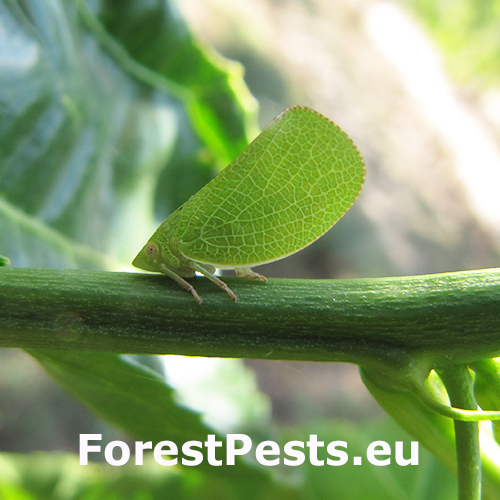
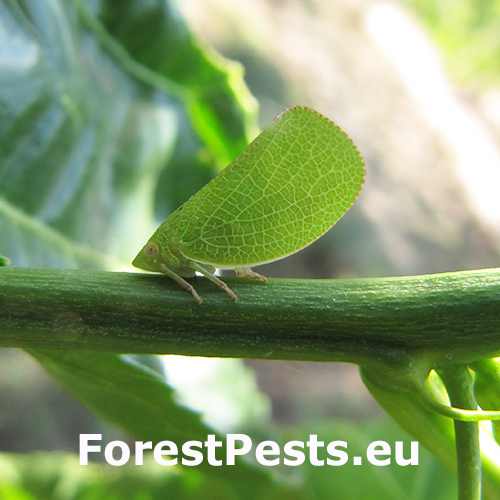
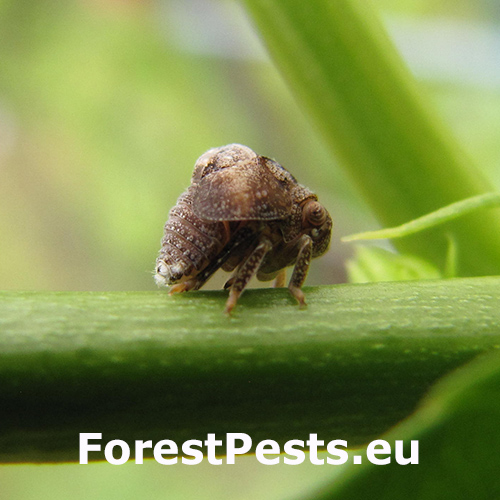
Acanalonia conica, known as the green cone-headed planthopper, is a polyphagous species from the family Acanaloniidae. Native to North America, it was first recorded in Europe in 2003 in Italy and has since spread to several countries, including Slovenia, France, Switzerland, Austria, and Türkiye. It feeds on a wide range of host plants, from herbaceous species to shrubs and trees, and can adapt to both cultivated and wild vegetation. Adults and nymphs secrete honeydew, which can lead to the development of sooty mold, reducing the aesthetic value of plants. Nymphs are characterized by their brown, hump-backed appearance and long white waxy filaments, while adults are bright green with conical heads and red eyes. The species produces one generation per year, with eggs laid in bark crevices in summer and autumn. Intense infestations can negatively impact the aesthetic appearance and may contribute to a decline in plant vitality, especially in urban environments where ornamental plants are heavily affected.
Symptom
On infested plants, bark crevices contain eggs, and twigs and stems may show white, waxy secretions. Nymphs obscure themselves with wax and may feed in groups, causing localized discoloration.
Tree Species: Black Locust, Cherry, Oak, Hawthorn, Pear, Apple Tree, Maple, Raspberry, Rose, Plum, Poplar
Part of a plant- attacked: Leaf / Needle
Pest significance: Less harmful
Pest Category: Insects
Invasive Species: No
Present in EU: Yes
Add comment: Acanalonia conica
Location map: Acanalonia conica
Legend:

Expert verified points

Unverified points
Observed by users on these tree species
Similar damage

Citrus flatid planthopper

Apple aphid

Rose leafhopper

